
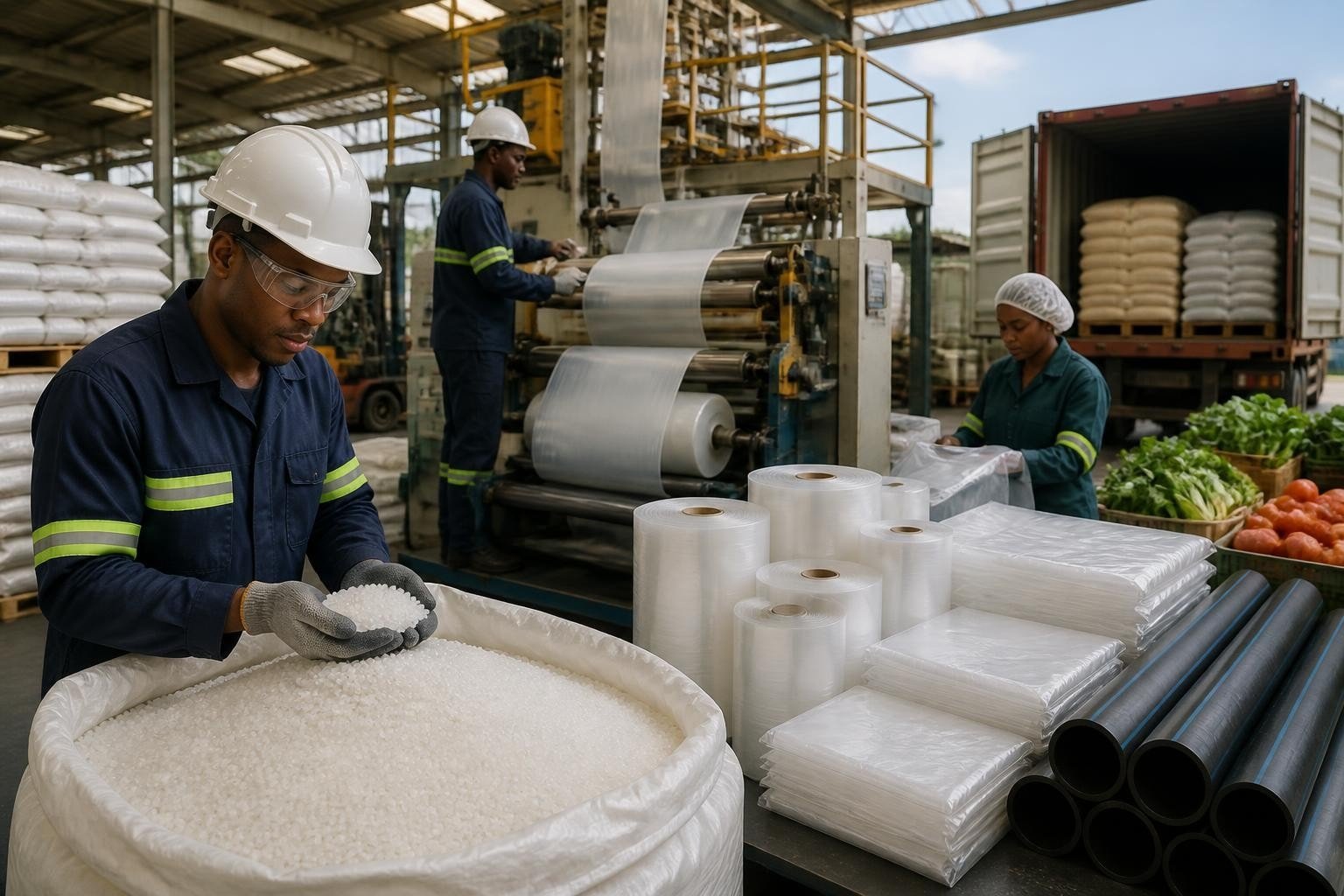
Sourcing low-density polyethylene (LDPE) in South Africa requires careful consideration of product specifications, supplier reliability, pricing structures, and logistics capabilities. As manufacturers, packaging companies, agricultural businesses, and distributors expand operations across African markets, partnering with a dependable ldpe supplier south africa becomes critical to maintaining production schedules, ensuring product quality, and achieving cost efficiency. This comprehensive guide examines LDPE properties, industrial applications, quality standards, and key factors for evaluating suppliers in the South African market.
Understanding LDPE: Properties and Characteristics
Low-density polyethylene represents one of the most widely used thermoplastic polymers globally, distinguished by its unique molecular structure and versatile performance characteristics. The material’s branched polymer chains create lower density compared to high-density polyethylene (HDPE), resulting in distinct physical and chemical properties that make it ideal for specific applications.
Key Physical Properties
LDPE exhibits exceptional flexibility, toughness, and resistance to impact even at low temperatures. The polymer typically has a density range of 0.910 to 0.940 g/cm³, significantly lower than HDPE variants. This lower density contributes to its characteristic soft, pliable texture and excellent processability.
Material characteristics include:
-
High elongation at break (400-800%)
-
Good chemical resistance to acids, alcohols, and bases
-
Excellent moisture barrier properties
-
Low tensile strength compared to HDPE
-
Superior transparency in film applications
-
Resistance to cracking and environmental stress
The polymer’s melting point ranges between 105°C and 115°C, allowing for efficient processing through extrusion, blow molding, and injection molding techniques. These thermal properties make LDPE particularly suitable for film manufacturing and flexible packaging applications.

Chemical Resistance and Performance
LDPE demonstrates strong resistance to many chemicals, making it valuable for industrial applications requiring contact with various substances. The polymer resists most acids, alcohols, and alkaline solutions at room temperature, though it shows limited resistance to oxidizing acids and certain organic solvents.
When sourcing from an ldpe supplier south africa, understanding these chemical resistance limitations helps ensure appropriate material selection for specific applications. The polymer’s permeability characteristics also influence its suitability for food packaging, pharmaceutical applications, and chemical storage.
Industrial Applications of LDPE in South Africa
South Africa’s manufacturing, agricultural, and packaging sectors represent significant consumers of LDPE, with demand driven by diverse industrial requirements and growing export markets across the African continent.
Packaging and Film Applications
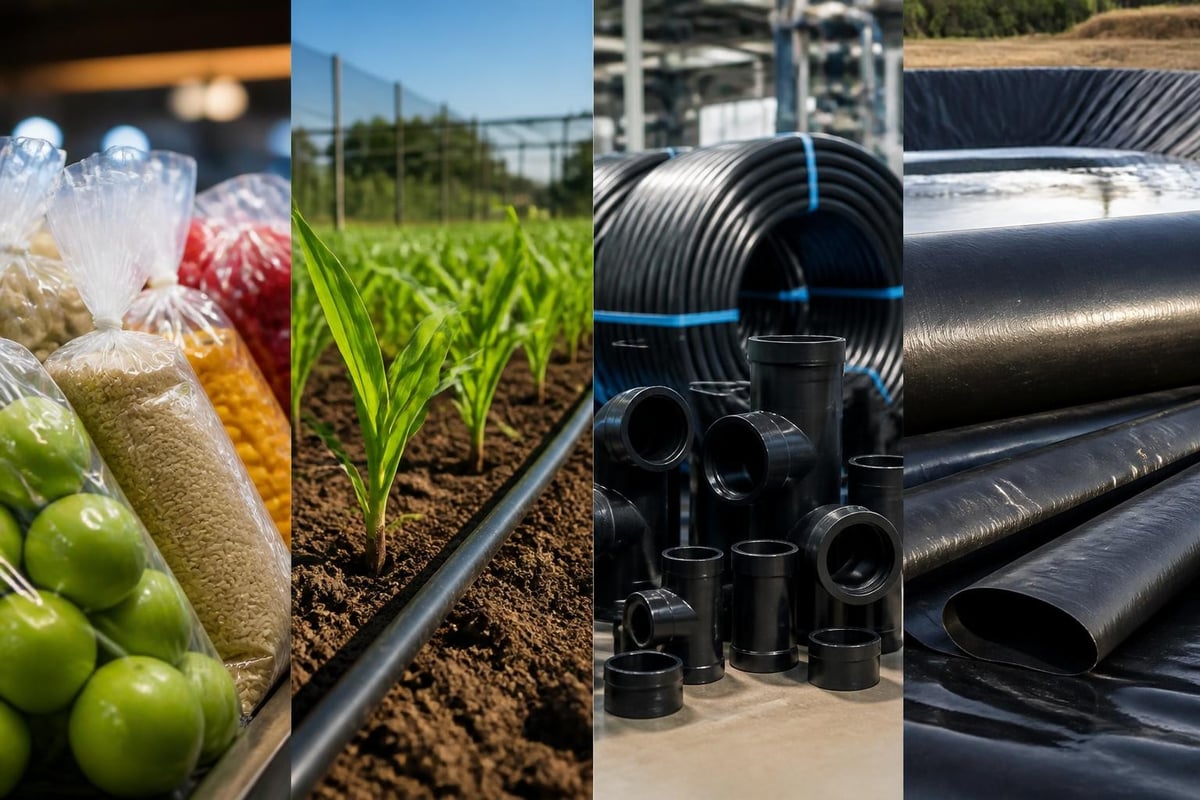
The packaging industry accounts for the largest portion of LDPE consumption in South Africa. According to 2024 recycling figures published by Plastics SA, polyethylene materials including LDPE represent substantial volumes in the South African plastics market, with specific applications spanning multiple sectors.
|
Application Type |
Common Products |
Key Requirements |
|---|---|---|
|
Flexible Packaging |
Shrink wrap, stretch film, carrier bags |
Clarity, sealability, tear resistance |
|
Food Packaging |
Frozen food bags, bread bags, produce bags |
FDA compliance, moisture barrier |
|
Industrial Film |
Protective sheeting, pallet wrap, construction film |
Strength, puncture resistance, UV stability |
|
Agricultural Film |
Greenhouse covers, silage bags, mulch film |
Weather resistance, durability, thickness uniformity |
Working with a reliable ldpe supplier south africa ensures consistent film quality, appropriate melt flow index (MFI) specifications, and batch-to-batch consistency critical for automated packaging equipment.
Agricultural Sector Applications
South Africa’s agricultural industry utilizes significant LDPE volumes for irrigation systems, greenhouse applications, and crop protection. Drip irrigation tubing, greenhouse films, and silage storage rely on LDPE’s weather resistance and flexibility.
Agricultural applications include:
-
Low-pressure irrigation tubing and fittings
-
Greenhouse covering films with UV stabilization
-
Silage bags and bale wrap for fodder preservation
-
Mulch films for weed control and moisture retention
-
Protective covers for agricultural equipment
The SA Plastics Pact’s 2023 Annual Report highlights increasing focus on recycled content in agricultural plastics, creating opportunities for suppliers offering both virgin and recycled LDPE grades.
Manufacturing and Industrial Uses
Beyond packaging and agriculture, LDPE serves critical roles in manufacturing processes across South Africa. Extrusion coating applications protect paper and cardboard products, while injection molding produces containers, lids, and industrial components.
Wire and cable insulation represents another significant application, where LDPE’s excellent dielectric properties and flexibility provide essential performance characteristics. Laboratory and medical equipment manufacturers also specify LDPE for squeeze bottles, tubing, and disposable components.
LDPE Grades and Specifications
Understanding LDPE grades and technical specifications enables informed sourcing decisions and ensures material compatibility with production processes and end-use requirements.
Melt Flow Index and Processing Characteristics
The melt flow index (MFI) represents a critical specification when sourcing LDPE, indicating the polymer’s flow characteristics during processing. Measured in grams per 10 minutes at specified temperature and load conditions, MFI values guide equipment selection and processing parameters.
Common MFI ranges and applications:
-
Low MFI (0.2-2.0): Blow molding, pipe extrusion, thick-walled products
-
Medium MFI (2.0-20): General-purpose film, sheet extrusion, injection molding
-
High MFI (20-50+): Thin film applications, extrusion coating, high-speed processing
Film manufacturers typically require medium to high MFI grades for efficient production and optimal film properties. Your selected ldpe supplier south africa should provide detailed technical data sheets specifying MFI values, density, and other critical parameters.
Virgin vs. Recycled LDPE
The South African market offers both virgin and recycled LDPE grades, each with distinct characteristics and applications. Virgin LDPE provides consistent quality, predictable performance, and compliance with food-contact regulations, making it essential for sensitive applications.
Recycled LDPE, derived from post-industrial or post-consumer sources, offers cost advantages and environmental benefits while meeting performance requirements for many non-food applications. The Extended Producer Responsibility regulations implemented under South Africa’s National Environmental Management: Waste Act increasingly influence supplier offerings and market dynamics.
|
Grade Type |
Advantages |
Typical Applications |
|---|---|---|
|
Virgin LDPE |
Consistent quality, food-grade options, predictable processing |
Food packaging, medical products, high-clarity film |
|
Recycled LDPE |
Lower cost, environmental benefits, EPR compliance |
Industrial film, construction sheeting, non-food packaging |
|
Blended Grades |
Balanced cost/performance, customized properties |
General packaging, agricultural film, moderate-clarity applications |
Additives and Modified Grades
LDPE formulations often incorporate additives to enhance specific properties or extend service life. UV stabilizers protect agricultural films from degradation, while anti-blocking agents prevent film layers from adhering during storage and processing.
Slip additives reduce friction for improved processing and handling, and antioxidants protect against thermal degradation during manufacturing. When evaluating an ldpe supplier south africa, confirm their capability to provide appropriately stabilized and additive-enhanced grades matching your application requirements.
Sourcing Considerations for LDPE in South Africa
Selecting the right supplier involves evaluating multiple factors beyond initial pricing, including product quality, supply reliability, technical support, and logistics capabilities.
Quality Assurance and Testing
Reputable suppliers provide comprehensive technical documentation, including material safety data sheets (MSDS), certificates of analysis (COA), and compliance documentation for regulated applications. Quality control measures should encompass raw material verification, in-process testing, and finished product certification.
Essential quality parameters to verify:
-
Density measurements and conformance to specifications
-
Melt flow index testing and consistency
-
Mechanical properties (tensile strength, elongation, impact resistance)
-
Additive levels and distribution
-
Contamination screening and purity verification
-
Compliance with food-contact regulations where applicable
Working with established suppliers ensures access to batch traceability, quality documentation, and technical support for troubleshooting processing or performance issues.
Packaging and Delivery Options
LDPE typically ships in various packaging formats depending on grade and customer requirements. Pelletized material commonly arrives in 25 kg bags, 1000 kg jumbo bags (bulk bags), or bulk truck loads for high-volume consumers.
Packaging selection influences handling efficiency, storage requirements, and contamination risk. Moisture-resistant packaging protects material quality during transportation and storage, particularly important in humid coastal regions of South Africa.
Delivery logistics should accommodate production schedules and inventory management practices. Reliable suppliers maintain adequate stock levels, offer flexible delivery scheduling, and provide accurate lead time estimates for both stock items and special-order grades.
Pricing Structures and Market Dynamics
LDPE pricing in South Africa reflects multiple factors including international crude oil prices, currency exchange rates, import duties, local production capacity, and supply-demand dynamics. The polymer is either imported or produced locally, with trade statistics showing significant import volumes supplementing domestic manufacturing.
Understanding pricing structures helps buyers negotiate effectively and plan procurement strategies. Volume commitments typically yield better pricing, while spot purchases accommodate immediate needs at premium rates.
Pricing factors to consider:
-
Base polymer costs and international market trends
-
Currency fluctuations affecting import pricing
-
Volume discounts and long-term supply agreements
-
Delivery distances and logistics costs
-
Payment terms and credit facilities
-
Grade specifications and customization requirements

Supplier Evaluation Criteria
Comprehensive supplier assessment ensures partnership with providers capable of meeting both immediate needs and long-term business objectives.
Technical Capabilities and Support
Beyond product supply, valuable partners offer technical expertise supporting material selection, processing optimization, and troubleshooting. Technical support teams should understand polymer science, processing equipment, and application-specific requirements.
Suppliers with polymer testing facilities can verify material properties, investigate quality concerns, and validate new grade suitability before full-scale implementation. This technical infrastructure demonstrates commitment to customer success and continuous improvement.
Supply Chain Reliability
Consistent material availability prevents production disruptions and maintains customer commitments. Evaluate potential suppliers based on inventory management practices, supply chain redundancy, and crisis response capabilities.
Reliability indicators include:
-
Multiple sourcing relationships with manufacturers
-
Adequate safety stock for common grades
-
Transparent communication regarding stock levels and lead times
-
Track record during supply disruptions or market volatility
-
Contingency planning and alternative sourcing options
Import dependencies create potential vulnerability to international supply chain disruptions, currency volatility, and regulatory changes. Suppliers with diversified sourcing strategies and local warehousing offer greater supply security.
Regulatory Compliance and Documentation
South Africa’s regulatory environment increasingly emphasizes environmental responsibility, product safety, and supply chain transparency. The EPR fee determination guidelines published by government authorities outline obligations for producers and importers of plastic packaging.
Suppliers should maintain current knowledge of regulatory requirements affecting LDPE supply and use, including waste management obligations, recycled content targets, and reporting requirements. Proper documentation supports compliance verification and audit requirements.
Businesses engaged in chemical sourcing across multiple product categories benefit from suppliers offering integrated compliance support and documentation management.
Environmental Considerations and Sustainability
Growing environmental awareness and regulatory requirements drive increasing focus on sustainable polymer sourcing, recycling initiatives, and circular economy principles.
Recycling and Circular Economy Initiatives
South Africa’s plastics industry actively pursues recycling expansion and circular economy models. LDPE recycling rates have improved significantly, though collection and processing infrastructure continues developing, particularly for flexible film materials.
The CSIR’s report on reducing plastic pollution identifies pathways for South Africa to address plastic waste challenges, including enhanced collection systems, improved recycling technology, and alternative materials.
Sustainability initiatives affecting LDPE supply:
-
Extended Producer Responsibility schemes requiring recycled content
-
Industry commitments to recyclable packaging design
-
Investment in mechanical and chemical recycling capacity
-
Development of recycled LDPE grades meeting performance standards
-
Certification systems for recycled content verification
Working with an ldpe supplier south africa committed to sustainability enables access to recycled grades, technical guidance on recyclable design, and support for EPR compliance.
Design for Recyclability
Material selection directly impacts end-of-life recyclability and environmental footprint. Mono-material LDPE packaging typically offers superior recyclability compared to multi-layer laminates combining incompatible polymers.
Suppliers providing technical guidance on recyclable design help customers meet sustainability commitments while maintaining product performance. This includes recommendations on adhesive compatibility, ink systems, and contamination prevention during use and collection.
Comparison of Supplier Types
Understanding different supplier models helps identify the best fit for specific business requirements and procurement preferences.
|
Supplier Type |
Advantages |
Considerations |
|---|---|---|
|
Direct Importers |
Competitive pricing, direct manufacturer relationships |
Larger minimum orders, longer lead times |
|
Local Distributors |
Smaller quantities, shorter lead times, local stock |
Higher unit costs, limited grade selection |
|
Chemical Suppliers |
Diverse product portfolio, integrated sourcing |
May focus on other chemical categories |
|
Specialized Polymer Distributors |
Deep polymer expertise, broad grade range |
Geographic limitations, availability variations |
Many businesses benefit from relationships with multiple supplier types, balancing immediate availability needs with cost optimization on larger purchases.
Questions to Ask Potential LDPE Suppliers
Thorough supplier evaluation requires asking targeted questions about capabilities, processes, and commitments.
Product and Quality Questions
-
What LDPE grades do you stock regularly, and what is your typical lead time for non-stock grades?
-
Can you provide technical data sheets and certificates of analysis for specific grades?
-
What quality control testing do you perform, and can you share test results?
-
Do you offer food-grade LDPE with appropriate compliance documentation?
-
What additive packages are available (UV stabilizers, anti-block, slip agents)?
Supply and Logistics Questions
-
What are your minimum order quantities for different packaging formats?
-
How do you manage inventory to ensure consistent availability?
-
What delivery options do you offer, and how do you calculate freight charges?
-
Can you accommodate emergency or expedited orders when production issues arise?
-
Do you provide consignment inventory or vendor-managed inventory programs?
Commercial and Support Questions
-
What payment terms do you offer, and are volume discounts available?
-
How do you handle pricing adjustments when international markets fluctuate?
-
What technical support do you provide for processing optimization or troubleshooting?
-
Can you assist with regulatory compliance documentation and reporting?
-
What is your approach to sustainability, recycled content, and EPR compliance?
These questions reveal supplier capabilities, service orientation, and alignment with your business requirements.
Regional Supply Dynamics in South Africa
Geographic considerations influence supplier selection, particularly regarding delivery costs, lead times, and service accessibility.
Major Industrial Hubs
South Africa’s chemical and polymer distribution concentrates in major industrial centers including Gauteng (Johannesburg and Pretoria), KwaZulu-Natal (Durban), and Western Cape (Cape Town). These regions offer proximity to ports, manufacturing facilities, and transportation infrastructure.
Businesses located in these metropolitan areas typically access broader supplier options, competitive pricing, and faster delivery. Companies in more remote regions should evaluate suppliers’ distribution networks and delivery capabilities to ensure reliable service.
Import Infrastructure and Trade Flows
South Africa’s polymer supply relies significantly on imports complementing domestic production. According to international trade statistics, polyethylene imports from various trading partners supply the local market, with fluctuations influenced by domestic demand, exchange rates, and global supply conditions.
Port congestion, customs clearance efficiency, and inland transportation capabilities affect import lead times and costs. Suppliers with established import operations and customs expertise provide more predictable delivery schedules.
Integration with Broader Chemical Supply Needs
Many businesses purchasing LDPE also require other chemicals and materials for manufacturing, processing, or operations. Consolidated procurement through suppliers offering diverse product portfolios can yield efficiency benefits.
Chemical suppliers serving mining and industrial sectors may also distribute polymer materials, enabling integrated sourcing relationships. This consolidation reduces administrative overhead, simplifies vendor management, and potentially improves pricing through combined volumes.
However, specialized polymer distributors may offer superior technical expertise and broader grade selection for LDPE specifically. Businesses should evaluate whether consolidation benefits outweigh specialized supplier advantages.
Future Trends in LDPE Supply
Understanding market trends and emerging developments helps inform long-term sourcing strategies.
Regulatory Evolution
Environmental regulations continue evolving, with increasing emphasis on recycled content requirements, packaging waste reduction, and producer responsibility. These regulatory changes will influence available grades, pricing structures, and documentation requirements.
Suppliers investing in compliance infrastructure, recycled material sourcing, and sustainability reporting will provide greater value as regulatory requirements expand.
Technology and Innovation
Advances in recycling technology, including chemical recycling methods, promise to expand recycled LDPE availability and quality. These innovations may enable recycled materials to meet specifications previously requiring virgin polymers.
Bio-based LDPE alternatives derived from renewable feedstocks represent another emerging trend, though commercial availability and cost competitiveness continue developing. Forward-thinking suppliers monitor these innovations and can guide customers through adoption when commercially viable.
Market Consolidation and Competition
The South African polymer supply market experiences ongoing evolution through mergers, new entrants, and capacity expansions. These dynamics create both opportunities and risks for buyers.
Developing relationships with multiple qualified suppliers provides supply security and competitive leverage, while avoiding excessive fragmentation that increases administrative burden.
Implementing a Successful LDPE Sourcing Strategy
Strategic procurement requires balancing immediate needs with long-term objectives, incorporating quality assurance, cost management, and risk mitigation.
Assessment and Planning Steps
-
Define Requirements: Document specific grades, quantities, delivery schedules, and quality standards
-
Evaluate Suppliers: Research potential partners, request technical information, and verify capabilities
-
Request Quotations: Obtain detailed pricing for comparable specifications and delivery terms
-
Conduct Trials: Test material samples in actual production before committing to large volumes
-
Negotiate Terms: Establish pricing structures, payment terms, quality guarantees, and service levels
-
Monitor Performance: Track delivery reliability, quality consistency, and responsiveness over time
Systematic evaluation prevents costly mistakes and establishes partnerships supporting business growth.
Risk Management Considerations
Supply chain disruptions, quality variations, and price volatility represent inherent risks in polymer procurement. Mitigation strategies include maintaining safety stock, qualifying backup suppliers, and implementing quality verification protocols.
Long-term supply agreements provide price stability and guaranteed availability but reduce flexibility to capitalize on spot market opportunities. Balancing contracted volumes with spot purchases optimizes both security and cost.
Building Strong Supplier Relationships
Successful partnerships extend beyond transactional interactions to collaborative relationships supporting mutual success.
Communication and Transparency
Regular communication regarding forecasts, schedule changes, and quality feedback enables suppliers to serve you more effectively. Transparency about business challenges and growth plans helps suppliers allocate resources and inventory appropriately.
Providing feedback on both positive performance and areas requiring improvement demonstrates professional partnership and drives continuous enhancement.
Collaborative Problem Solving
Processing challenges, quality concerns, or supply disruptions inevitably occur. Suppliers committed to customer success engage constructively in problem-solving rather than deflecting responsibility.
Look for partners willing to investigate root causes, implement corrective actions, and share learnings that prevent recurrence. This collaborative approach builds resilience and strengthens relationships.
Sourcing LDPE in South Africa requires careful evaluation of product specifications, supplier capabilities, pricing structures, and long-term partnership potential. Success depends on understanding material properties, application requirements, and market dynamics, and ccommitted to quality, reliability, and customer support. Whether you need LDPE for packaging, agriculture, manufacturing, or industrial applications, Nwans Chemicals offers comprehensive chemical sourcing solutions, competitive pricing, reliable bulk supply, and expert guidance to support your business objectives across South Africa and international markets.
Leave A Comment