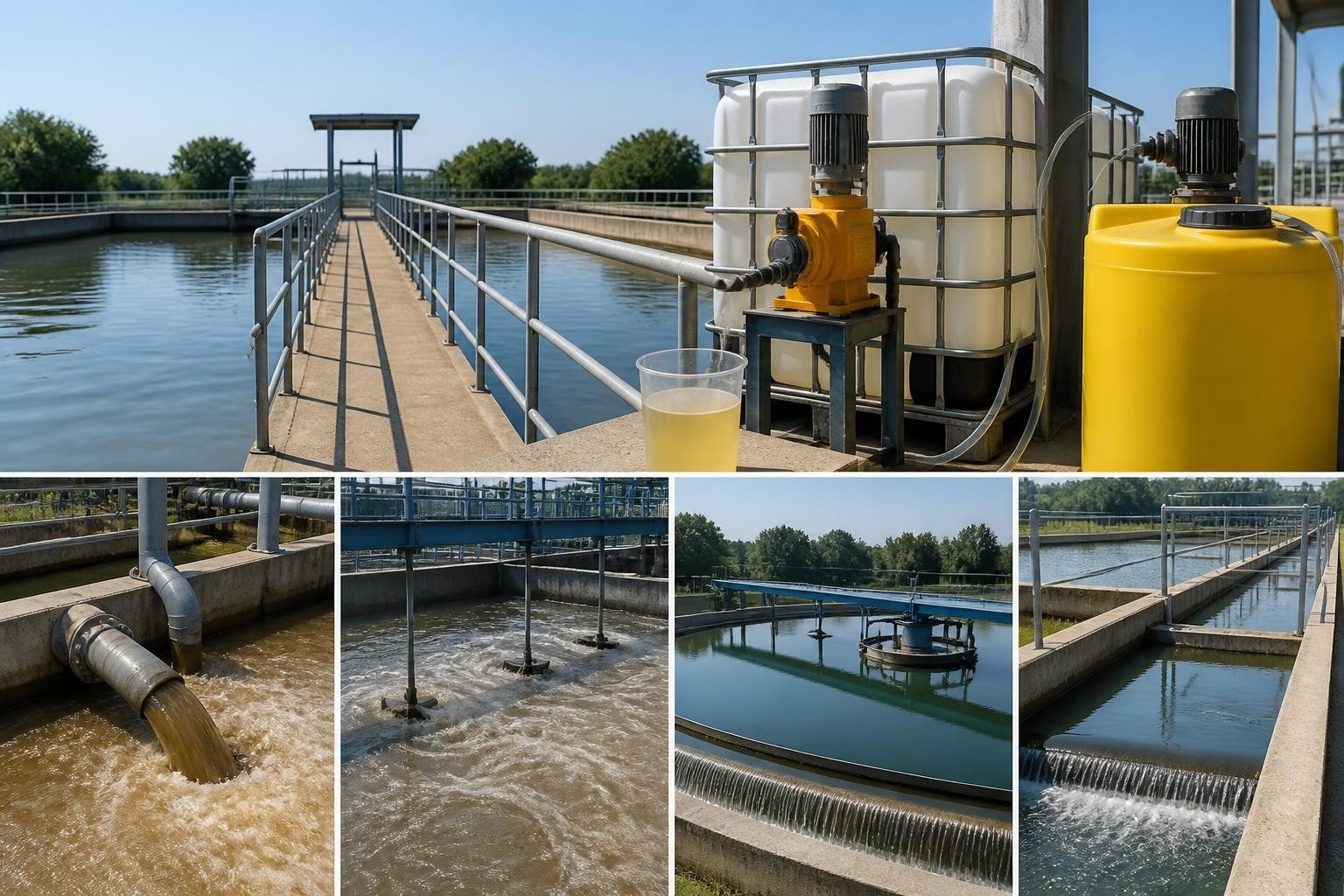
Poly aluminium chloride water treatment has become an essential process in modern municipal, industrial, and mining water purification systems across South Africa and global markets. As water quality regulations tighten and treatment efficiency demands increase, understanding the chemistry, applications, and procurement of poly aluminium chloride (PAC) is critical for procurement managers, plant operators, and decision-makers responsible for water and wastewater treatment operations. This comprehensive guide examines how PAC works, where it delivers the most value, and what businesses should evaluate when selecting a supplier for this vital coagulant chemistry.
Understanding Poly Aluminium Chloride Chemistry and Function
Poly aluminium chloride is a pre-hydrolyzed inorganic polymer coagulant with the general formula Al₂(OH)ₙCl₆₋ₙ, where n typically ranges from 1 to 5. Unlike traditional aluminum sulfate (alum), PAC contains partially polymerized aluminum hydroxide species that immediately begin the coagulation process upon contact with water, delivering faster floc formation and broader operating pH ranges.
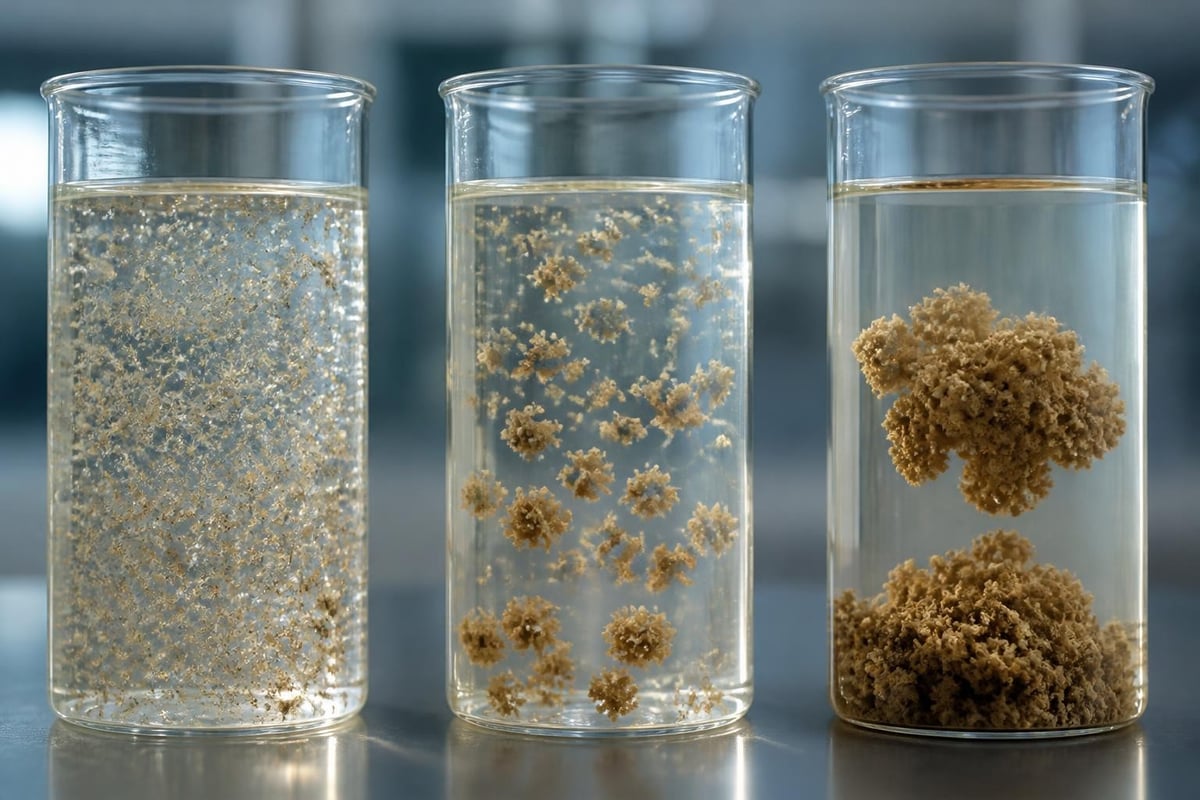
The chemical structure of PAC includes positively charged aluminum species that neutralize the negative surface charges on suspended particles, colloids, and organic matter in water. This charge neutralization destabilizes particles and allows them to aggregate into larger floc formations that settle rapidly during sedimentation or are easily removed by filtration.
Key Advantages Over Traditional Coagulants
PAC offers several performance advantages that have driven its adoption in poly aluminium chloride water treatment applications worldwide:
- Wider effective pH range (5.0–9.0) compared to alum's narrower window
- Lower alkalinity consumption preserving natural buffering capacity
- Faster floc formation reducing hydraulic retention time requirements
- Higher-density flocs improving settling characteristics and sludge compaction
- Lower residual aluminum in treated water meeting WHO guidelines
- Reduced sludge volume lowering disposal costs and environmental impact
Research published in Frontiers in Environmental Science confirms that pre-hydrolyzed metal salts like polyaluminium chloride demonstrate superior performance in fouling control and membrane pretreatment applications compared to conventional coagulants.
Primary Applications in Water and Wastewater Treatment
Poly aluminium chloride water treatment spans diverse applications across municipal, industrial, and specialized treatment scenarios. Understanding where PAC delivers optimal performance helps facilities select the right coagulant chemistry for specific water quality challenges.
Municipal Drinking Water Purification
Municipal water treatment plants utilize PAC as a primary coagulant to remove turbidity, color, natural organic matter, and microbial contaminants from surface water sources. The U.S. EPA supply-chain profile identifies drinking water treatment as the largest consumption sector for polyaluminum chloride, accounting for the majority of global demand.
PAC proves particularly effective in treating water sources with:
- High seasonal turbidity from storm runoff
- Variable organic carbon levels
- Fluctuating pH conditions
- Cold water temperatures affecting conventional coagulants
- Algal blooms requiring enhanced coagulation protocols
The Oregon Department of Health guidance on coagulation provides operators with practical decision frameworks for coagulant selection, highlighting how mixing energy, pH management, and alkalinity influence PAC performance versus traditional alum.
Industrial Wastewater Treatment
Manufacturing facilities, food processing plants, textile operations, and chemical manufacturers incorporate poly aluminium chloride water treatment to achieve discharge compliance and enable water reuse. PAC effectively removes suspended solids, oils, fats, dyes, heavy metals, and complex organic compounds from industrial process streams.
Industrial applications benefit from PAC's stability across varying wastewater compositions and its compatibility with polymer flocculants for enhanced solid-liquid separation. The reduced sludge production compared to ferric chloride or alum translates directly to lower disposal costs-a significant consideration for facilities managing large wastewater volumes.
Mining and Mineral Processing Water Treatment
Mining operations deploy PAC for process water clarification, tailings treatment, and mine water discharge management. The chemistry performs well in high-turbidity environments typical of mineral processing circuits and handles the challenging pH conditions often encountered in mining water systems. For South African mining operations requiring comprehensive chemical supply solutions, mining chemical suppliers often provide integrated PAC and auxiliary treatment chemical packages.
Technical Specifications and Product Forms
Poly aluminium chloride is manufactured and supplied in two primary product forms, each offering distinct handling, storage, and dosing characteristics suited to different operational requirements.
| Product Form | Typical Al₂O₃ Content | Basicity Range | Storage Considerations | Typical Applications |
|---|---|---|---|---|
| Liquid PAC | 10–18% | 40–90% | Heated storage in cold climates, 6–12 month shelf life | Large municipal plants, automated dosing systems |
| Powder/Solid PAC | 28–31% | 40–90% | Moisture protection, indefinite shelf life when dry | Remote sites, smaller facilities, emergency reserves |
Understanding Basicity in PAC Specifications
Basicity (the molar ratio of hydroxide to aluminum) critically influences PAC performance characteristics. Higher basicity products (70–85%) contain more pre-formed polymeric species and generally provide superior turbidity removal, while lower basicity grades (40–60%) offer better performance for color and organic matter removal.
The optimal basicity for a specific poly aluminium chloride water treatment application depends on raw water characteristics:
- High turbidity, low color: Higher basicity (70–85%)
- High color, moderate turbidity: Medium basicity (55–70%)
- High organic content: Lower basicity (40–60%)
Plant operators should work with suppliers to jar test multiple basicity ranges under site-specific conditions before committing to bulk procurement contracts.
Dosing, Process Control, and Optimization
Effective poly aluminium chloride water treatment requires systematic optimization of dosing rates, mixing conditions, and hydraulic parameters to achieve target water quality at minimum chemical cost.
Determining Optimal Dose Rates
Typical PAC dosing ranges span 5–50 mg/L (as Al₂O₃) depending on raw water quality, though extreme conditions may require higher doses. Jar testing remains the gold standard for dose optimization, simulating full-scale coagulation, flocculation, and settling under controlled laboratory conditions.
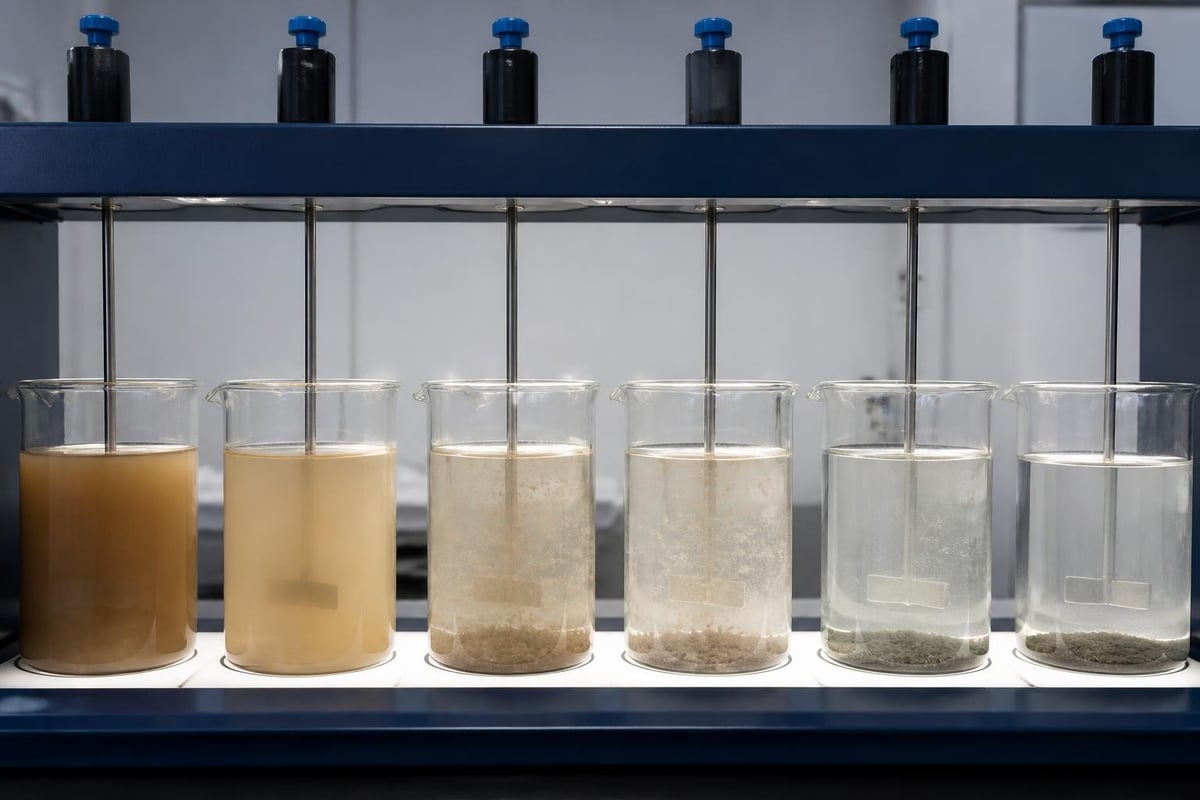
A systematic jar test protocol includes:
- Prepare representative raw water samples at ambient temperature
- Test dose series spanning expected range (e.g., 10, 20, 30, 40 mg/L)
- Apply rapid mix (200–300 rpm, 1–2 minutes)
- Slow mix/flocculation (30–40 rpm, 15–20 minutes)
- Settling period (20–30 minutes)
- Evaluate supernatant turbidity, color, pH, and residual aluminum
- Select dose producing optimal clarity with acceptable residuals
pH Management and Alkalinity Requirements
Unlike alum, PAC consumes significantly less alkalinity during coagulation, typically 0.3–0.5 mg/L as CaCO₃ per mg/L of PAC dosed. This reduced consumption preserves natural buffering capacity and minimizes the need for supplemental alkali addition in low-alkalinity waters.
The WHO guidelines on aluminum in drinking water recommend maintaining treated water aluminum residuals below 0.1–0.2 mg/L, achievable through proper dose optimization and pH control within PAC's effective operating range.
Mixing and Hydraulic Considerations
PAC's rapid reaction kinetics demand intense initial mixing to disperse the coagulant throughout the water volume before particle destabilization occurs. Insufficient rapid mix energy creates zones of overdosing and underdosing, reducing overall treatment efficiency and potentially increasing residual aluminum.
Best practices for mixing design include:
- Rapid mix: G-values of 700–1000 s⁻¹ for 30–60 seconds
- Flocculation: Tapered mixing starting at 60–80 s⁻¹, reducing to 20–30 s⁻¹
- Detention time: 20–30 minutes total flocculation time
- Hydraulic loading: Maintain consistent flow to prevent floc shear
Quality Assurance, Compliance, and Certification
Procuring poly aluminium chloride for potable water treatment requires rigorous quality verification to ensure product safety, consistency, and regulatory compliance.
Drinking Water Product Standards
PAC intended for drinking water treatment must meet national and international product standards governing chemical purity, contaminant limits, and performance specifications. In the United States, products are evaluated against ANSI/AWWA B408 and NSF/ANSI 60 standards. The NSF public certification listings provide verification that specific PAC products have undergone independent testing for use in potable water systems.
South African facilities should verify that suppliers provide:
- Product specification sheets documenting Al₂O₃ content, basicity, density, pH
- Safety Data Sheets (SDS) with current hazard classification
- Certificates of Analysis (CoA) for each production lot
- Heavy metal certifications confirming arsenic, lead, mercury limits
- Regulatory compliance documentation for intended use applications
For bulk industrial and mining applications, water treatment chemical suppliers should demonstrate consistent quality through regular testing and transparent documentation practices.
Testing and Verification Protocols
Facilities receiving bulk poly aluminium chloride shipments should implement quality verification testing to confirm product specifications before introducing chemicals into treatment processes. Critical parameters for routine verification include:
| Parameter | Test Method | Acceptance Criteria | Frequency |
|---|---|---|---|
| Al₂O₃ content | Titration/ICP | ±2% of specification | Every shipment |
| Basicity | Calculation from OH/Al ratio | ±5% of specification | Every shipment |
| Density (liquid) | Hydrometer/scale | ±0.02 g/mL | Every shipment |
| pH (1% solution) | pH meter | Within specified range | Every shipment |
| Insoluble matter | Filtration/gravimetric | <0.5% | Monthly composite |
Procurement Considerations for Bulk Supply
Selecting a reliable poly aluminium chloride supplier involves evaluating multiple factors beyond unit price to ensure consistent product availability, technical support, and total cost of ownership.
Supply Chain and Logistics Reliability
Water treatment facilities operate continuously, requiring uninterrupted chemical supply to maintain treatment performance. When evaluating suppliers, assess:
- Manufacturing relationships: Direct manufacturer agreements versus third-party distributors
- Inventory management: Supplier stockholding policies and safety stock levels
- Delivery infrastructure: Tank truck capacity, rail access, container handling
- Geographic coverage: Local warehousing and distribution networks
- Emergency supply protocols: Backup sourcing and expedited delivery capabilities
South African facilities should prioritize suppliers with established local presence and proven delivery track records across the country's diverse geographic regions.
Packaging and Handling Options
Bulk poly aluminium chloride is typically supplied in multiple packaging configurations suited to different facility sizes and handling capabilities:
- Bulk tanker delivery (20,000–30,000 L): Lowest unit cost, requires dedicated storage tanks
- Intermediate Bulk Containers (IBC) (1,000 L): Flexible storage, reduced infrastructure investment
- Drums (200–250 L): Small facilities, backup supply, product trials
- Super sacks (500–1,000 kg): Powder PAC for dry feed systems
Facilities should evaluate total cost of ownership including storage infrastructure, handling equipment, and inventory carrying costs when selecting packaging options.
Technical Support and Application Assistance
Quality suppliers provide value-added technical services that optimize poly aluminium chloride water treatment performance and reduce operational costs:
- On-site jar testing and dose optimization studies
- Process troubleshooting for seasonal water quality changes
- Alternative product evaluation (different basicity ranges, complementary polymers)
- Operator training on coagulation theory and best practices
- Regulatory support for permit applications and compliance documentation
Procurement managers should evaluate supplier technical capabilities as part of the total value proposition, not just chemical pricing.
Storage, Handling, and Safety Considerations
Proper storage and handling practices protect worker safety, maintain product quality, and prevent environmental releases.
Liquid PAC Storage Requirements
Liquid poly aluminium chloride is mildly corrosive and requires compatible storage materials and proper containment:
- Tank materials: High-density polyethylene (HDPE), fiberglass-reinforced plastic (FRP), or rubber-lined steel
- Temperature control: Maintain above freezing; heating may be required in cold climates
- Venting: Provide adequate tank venting to prevent vacuum during withdrawal
- Secondary containment: 110% of largest tank volume per regulatory requirements
- Material compatibility: Avoid contact with strong bases, reducing agents, metals
Worker Safety and Personal Protective Equipment
PAC is classified as corrosive and requires appropriate personal protective equipment during handling:
- Eye protection: Chemical splash goggles or face shield
- Skin protection: Chemical-resistant gloves (nitrile or neoprene), apron for transfer operations
- Respiratory protection: Typically not required for liquid; dust mask for powder handling
- Emergency equipment: Eyewash stations and safety showers within 10 meters of handling areas
Facilities should maintain current Safety Data Sheets accessible to all personnel and provide comprehensive training on emergency response procedures for spills and exposures.
Poly Aluminium Chloride Performance in Special Applications
Beyond conventional clarification, poly aluminium chloride water treatment addresses specialized challenges across diverse water quality scenarios.
Membrane Pretreatment
Ultrafiltration and reverse osmosis membrane systems benefit from PAC pretreatment to reduce fouling potential and extend membrane service life. The compact, high-density flocs formed by PAC minimize membrane surface deposition compared to conventional coagulants, reducing cleaning frequency and improving flux rates.
Cold Water Treatment
PAC maintains effective coagulation performance in cold water temperatures (below 5°C) where alum performance deteriorates significantly. This characteristic makes PAC valuable for facilities treating cold surface waters during winter months or high-altitude sources year-round.
Enhanced Coagulation for DBP Precursor Removal
Drinking water systems concerned with disinfection byproduct (DBP) formation can employ enhanced coagulation with PAC to remove natural organic matter precursors. Optimizing PAC dose, pH, and contact time achieves substantial reductions in dissolved organic carbon (DOC) and total organic carbon (TOC), minimizing trihalomethane and haloacetic acid formation during chlorination.
Color Removal from Surface Waters
Surface water sources impacted by humic and fulvic acids exhibit high color levels requiring specialized treatment. Lower basicity PAC products (40–60%) combined with optimal pH adjustment effectively remove color while maintaining acceptable residual aluminum concentrations.
Cost Analysis and Value Optimization
Understanding the total cost structure of poly aluminium chloride water treatment enables facilities to optimize chemical selection and procurement strategies.
Direct Chemical Costs
PAC unit pricing reflects several factors:
- Aluminum content: Higher Al₂O₃ grades command premium pricing but deliver lower dose requirements
- Basicity: Specialty basicity ranges may carry price premiums
- Product form: Powder products typically cost more per aluminum unit than liquid
- Volume commitment: Bulk contracts and standing orders reduce unit costs
- Delivery terms: Ex-works, delivered, or consignment inventory arrangements
Procurement teams should evaluate cost on an aluminum-delivered basis (cost per kg of Al₂O₃) rather than bulk product price to accurately compare liquid and solid PAC options.
Total Cost of Ownership
Comprehensive cost analysis includes factors beyond chemical purchase price:
| Cost Component | PAC Advantage | Conventional Coagulant |
|---|---|---|
| Chemical consumption | Lower dose rates | Higher dose rates |
| Alkalinity chemicals | Minimal supplementation | Significant soda ash/lime use |
| Sludge handling | 20–40% less volume | Higher disposal costs |
| Operator time | Stable performance, less adjustment | Frequent optimization required |
| Downtime risk | Wider operating envelope | Narrow pH window |
Facilities should conduct comprehensive total cost modeling over annual operating cycles to capture seasonal water quality variations and their impact on chemical costs.
Supplier Selection Criteria and Evaluation Framework
Establishing a systematic supplier evaluation process ensures consistent product quality, reliable supply, and optimal value for poly aluminium chloride procurement.
Essential Supplier Qualifications
Qualified PAC suppliers demonstrate:
- Product quality systems: ISO certifications, batch testing protocols, quality documentation
- Regulatory compliance: Product registrations for intended applications, safety documentation
- Supply reliability: Manufacturing capacity, inventory levels, delivery infrastructure
- Technical expertise: Application support, troubleshooting capability, process optimization
- Financial stability: Long-term viability, credit terms, contract flexibility
Request for Quotation (RFQ) Best Practices
Effective RFQs for poly aluminium chloride should specify:
- Product specifications: Al₂O₃ content, basicity range, product form (liquid/powder)
- Volume requirements: Annual consumption, delivery frequency, storage capacity
- Quality requirements: Standards compliance (NSF 60, local regulations), testing documentation
- Delivery terms: Lead times, minimum order quantities, packaging options
- Technical support: Included services, response times, on-site assistance availability
- Contract terms: Pricing period, payment terms, force majeure provisions
Procurement managers should evaluate responses holistically, weighing technical capability and supply reliability alongside pricing.
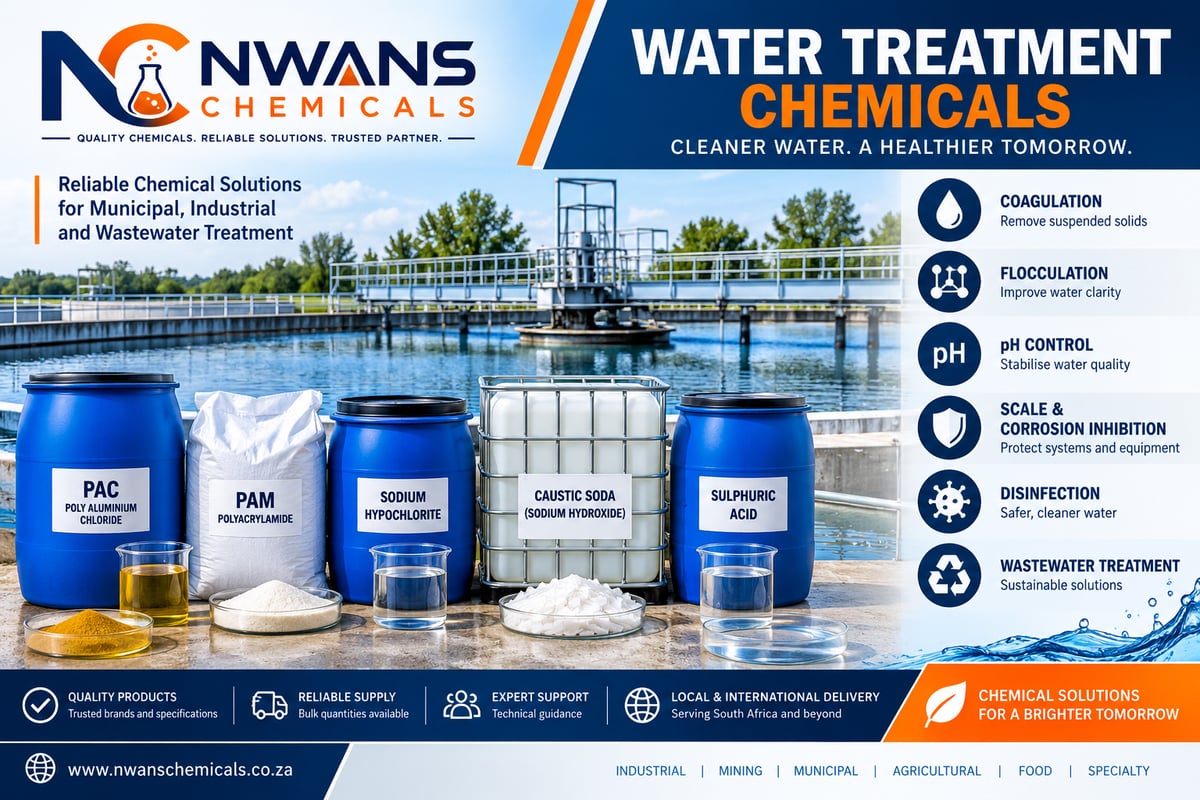
Poly aluminium chloride water treatment delivers proven performance advantages across municipal drinking water, industrial wastewater, and mining applications through superior floc formation, reduced chemical consumption, and broader operational flexibility. Success depends on understanding product specifications, optimizing application parameters, and partnering with suppliers who provide consistent quality and reliable technical support. Nwans Chemicals supplies poly aluminium chloride and comprehensive water treatment chemical solutions to South African industrial, mining, and municipal customers, backed by bulk supply capability, quality documentation, and experienced technical service across the region.
Leave A Comment