
Sodium lauryl sulfate (SLS) remains one of the most widely used anionic surfactants in industrial and consumer applications worldwide. As demand continues across multiple sectors, industrial buyers must navigate a complex landscape of sodium lauryl sulfate manufacturers to secure reliable supply chains, consistent quality, and competitive pricing. Understanding how these manufacturers operate, what differentiates their products, and how to evaluate potential suppliers has become essential for procurement teams in 2026.
Understanding Sodium Lauryl Sulfate and Its Industrial Significance
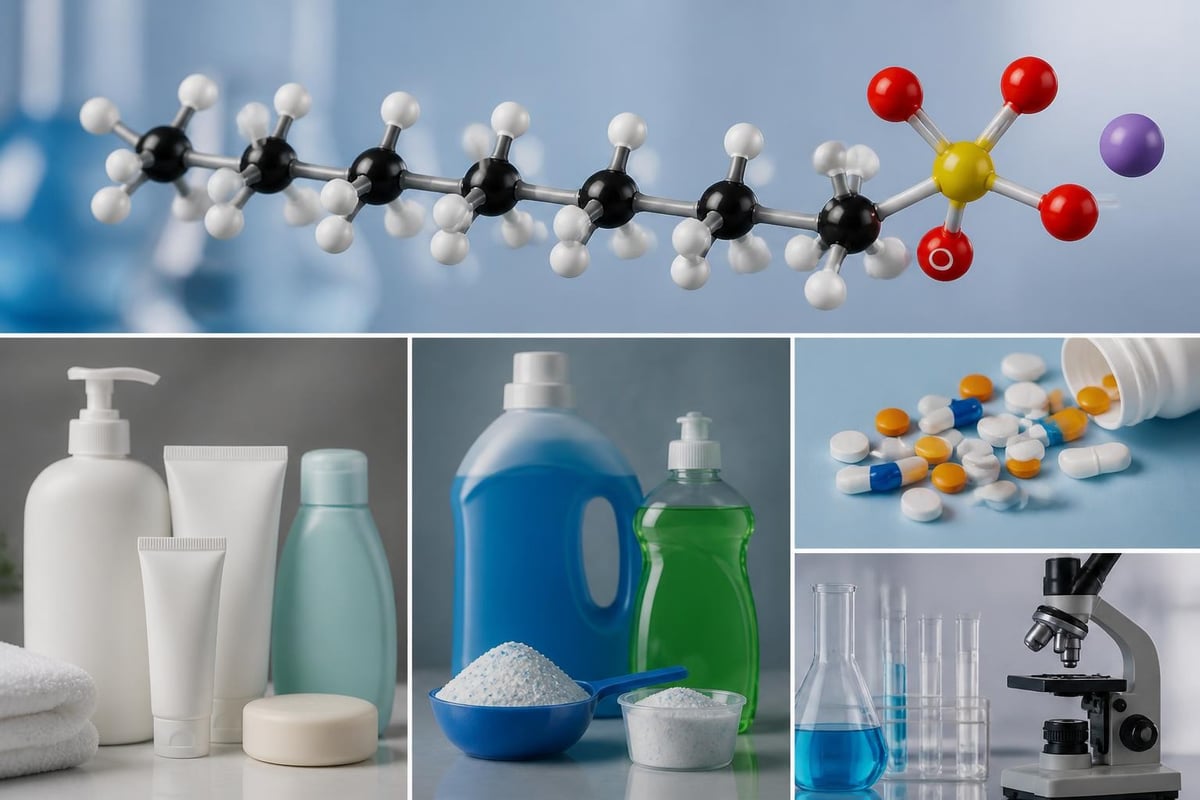
Sodium lauryl sulfate, also known as sodium dodecyl sulfate (SDS), is an anionic surfactant with the chemical formula C₁₂H₂₅NaO₄S. This compound exhibits excellent cleansing, emulsifying, and foaming properties that make it indispensable across numerous industries. The PubChem database provides comprehensive technical data on SLS, including its molecular structure and physical properties.
Key applications of sodium lauryl sulfate include:
- Personal care and cosmetic formulations (shampoos, toothpaste, body washes)
- Industrial detergents and cleaning products
- Pharmaceutical formulations as an emulsifying agent
- Laboratory research applications (protein analysis, cell lysis)
- Textile processing and dyeing operations
- Food processing as an approved emulsifier in specific applications
The global SLS market serves manufacturers who require this surfactant in varying grades, purities, and specifications. Different end-use applications demand distinct quality parameters, which sodium lauryl sulfate manufacturers must meet through controlled production processes.
Distinguishing SLS from SLES in Industrial Procurement
A critical consideration for buyers is understanding the distinction between sodium lauryl sulfate and sodium laureth sulfate (SLES). While both are anionic surfactants used in similar applications, they differ chemically and functionally.
| Parameter | Sodium Lauryl Sulfate (SLS) | Sodium Laureth Sulfate (SLES) |
|---|---|---|
| Chemical process | Direct sulfation | Ethoxylation followed by sulfation |
| Molecular structure | C₁₂H₂₅NaO₄S | Ethoxy groups in chain |
| Irritation potential | Higher | Lower due to ethoxylation |
| Foaming characteristics | Very high, dense foam | High, creamy foam |
| Cost | Generally lower | Typically higher |
| Typical concentration | 90-95% active | 70% active (aqueous) |
SLES 70% has become increasingly popular in detergent and personal care formulations due to its milder profile. Industrial buyers should specify exactly which surfactant they require, as the two are not interchangeable in all formulations. Companies like Nwans Chemicals supply SLES 70% to meet industrial demand for this ethoxylated variant.
Manufacturing Processes and Quality Implications
Sodium lauryl sulfate manufacturers typically produce SLS through the sulfation of lauryl alcohol (dodecanol), followed by neutralization with sodium hydroxide or sodium carbonate. The quality of raw materials, reaction conditions, and purification steps directly impact the final product specifications.
Manufacturing variables that affect SLS quality include:
- Purity of lauryl alcohol feedstock (coconut or palm kernel oil derivatives)
- Sulfation reactor design and temperature control
- Neutralization pH precision
- Drying and milling processes for powder grades
- Contaminant removal and filtration efficiency
Top-tier manufacturers invest in advanced process controls and analytical capabilities to ensure batch-to-batch consistency. This consistency becomes particularly important for buyers in regulated industries such as pharmaceuticals and food processing.
Evaluating Sodium Lauryl Sulfate Manufacturers: Key Criteria
When assessing potential sodium lauryl sulfate manufacturers, industrial buyers should employ a comprehensive evaluation framework that goes beyond price comparison. Supplier reliability, technical capabilities, and quality assurance systems all contribute to long-term partnership success.
Quality Standards and Certifications
Reputable manufacturers maintain certifications relevant to their target markets. For SLS destined for personal care applications, compliance with cosmetic safety regulations and evaluation by bodies such as the Scientific Committee on Consumer Safety provides assurance of ingredient safety.
Common certifications and standards include:
- ISO 9001 quality management systems
- ISO 14001 environmental management
- GMP (Good Manufacturing Practice) for pharmaceutical grades
- Halal and Kosher certifications for applicable markets
- REACH registration for European markets
- FDA compliance documentation for U.S. markets
Buyers should request copies of relevant certificates and verify their validity with issuing bodies. The certification landscape evolves continuously, and manufacturers who maintain current compliance demonstrate commitment to quality and regulatory adherence.
Technical Specifications and Documentation
Sodium lauryl sulfate manufacturers should provide comprehensive technical data sheets (TDS) and safety data sheets (SDS) for every product grade. These documents enable buyers to verify that materials meet formulation requirements and safety protocols.
Critical specifications to review include:
- Active matter content (typically 90-95% for powder grades)
- pH value (in specified concentration)
- Sodium chloride and sodium sulfate content (common impurities)
- Unsulfated matter (residual alcohol)
- Color and odor (for consumer-facing applications)
- Particle size distribution (for powder grades)
- Heavy metal content (especially for personal care and food grades)
Advanced manufacturers offer certificate of analysis (CoA) documents for each batch, demonstrating that production meets stated specifications. These CoAs become essential for quality control and regulatory compliance in downstream applications.

Global Manufacturing Landscape and Regional Considerations
The production of sodium lauryl sulfate concentrates in regions with established petrochemical and oleochemical industries. Understanding this geographic distribution helps buyers optimize their supply chains and manage logistics costs.
Major Manufacturing Regions
Asia-Pacific dominates global SLS production, with manufacturers in China, India, Malaysia, and Indonesia leveraging access to palm-based feedstocks and cost-competitive production. These facilities often produce large volumes suitable for export markets.
Europe maintains specialized manufacturers focused on high-purity grades for pharmaceutical and premium personal care applications. European producers emphasize sustainability credentials and regulatory compliance.
North America hosts several established manufacturers serving domestic markets with emphasis on technical support and quick delivery times for industrial customers.
Middle East production benefits from petrochemical integration, with manufacturers producing SLS from synthetic lauryl alcohol derived from petroleum feedstocks.
For buyers in Africa, including those working with industrial chemical suppliers, understanding import logistics and documentation requirements becomes critical when sourcing from international sodium lauryl sulfate manufacturers.
Supply Chain Reliability and Logistics Capabilities
Beyond product quality, manufacturers must demonstrate robust supply chain management. Surfactant supply chains face ongoing challenges from feedstock price volatility, shipping disruptions, and regulatory changes.
Assessing Manufacturer Reliability
Buyers should evaluate manufacturers on several operational dimensions:
| Reliability Factor | What to Assess | Questions to Ask |
|---|---|---|
| Production capacity | Annual output, facility scale | Can they handle volume growth? |
| Inventory management | Stock levels, buffer inventory | What are typical lead times? |
| Logistics partnerships | Shipping options, packaging | Do they handle export documentation? |
| Supply diversification | Raw material sourcing | Multiple feedstock sources? |
| Crisis management | Contingency plans, communication | How did they perform during recent disruptions? |
Manufacturers with transparent communication systems and proactive customer updates demonstrate the reliability essential for maintaining production continuity. Some buyers establish relationships with multiple sodium lauryl sulfate manufacturers to mitigate supply risk.
Packaging and Transportation
SLS is typically available in several packaging configurations to accommodate different buyer needs. Standard options include 25 kg bags, jumbo bags (500-1000 kg), and bulk tankers for liquid grades.
Transportation considerations vary by product form. Powder SLS requires moisture protection and proper ventilation during shipping. Buyers should confirm that manufacturers follow appropriate classification under transportation regulations and provide proper hazard labeling.
For companies requiring bulk chemical supply solutions, working with distributors who understand both product characteristics and logistics requirements streamlines the procurement process.
Environmental and Sustainability Considerations in SLS Production
Environmental performance has become a differentiating factor among sodium lauryl sulfate manufacturers. While SLS itself is biodegradable, production processes and feedstock sourcing carry environmental implications that conscious buyers increasingly consider.
Feedstock Sustainability
Most commercial SLS derives from lauryl alcohol produced from coconut or palm kernel oils. The sustainability of these botanical sources depends on agricultural practices and supply chain traceability.
Sustainability considerations include:
- RSPO (Roundtable on Sustainable Palm Oil) certification for palm-derived materials
- Verification of deforestation-free sourcing policies
- Water and energy efficiency in oleochemical processing
- Waste treatment and emission controls at manufacturing sites
Some manufacturers have begun offering SLS produced from synthetic alcohol derived from petroleum, which avoids agricultural sustainability concerns but introduces different environmental considerations related to fossil fuel use.
Research on the environmental impact of surfactant residues continues to inform wastewater treatment approaches and formulation decisions. Manufacturers who invest in environmental research and transparent reporting appeal to buyers with sustainability mandates.
Green Chemistry and Alternative Surfactants
The EPA Safer Choice program provides criteria for evaluating surfactants and other ingredients, encouraging the development of safer alternatives. While SLS remains widely used, some applications have shifted toward alternative surfactants with different environmental or toxicological profiles.
Sodium lauryl sulfate manufacturers who also produce alternative surfactants or who can guide buyers toward appropriate substitutes demonstrate technical expertise and customer-focused service. Understanding the full spectrum of available options enables informed sourcing decisions.
Procurement Strategies for Industrial Buyers
Successful procurement of sodium lauryl sulfate requires strategic planning beyond identifying qualified manufacturers. Price negotiation, contract terms, and relationship management all contribute to total cost of ownership.
Developing Sourcing Strategies
Different buyers adopt different approaches based on volume requirements, risk tolerance, and internal capabilities:
- Direct manufacturer relationships for high-volume, consistent specifications
- Distributor partnerships for smaller volumes, multiple products, or local service requirements
- Hybrid approaches combining direct sourcing for core volumes with distributor backup
- Regional diversification to manage geopolitical and logistics risks
Companies seeking chemical sourcing expertise often benefit from working with experienced distributors who maintain relationships with multiple sodium lauryl sulfate manufacturers and can provide market intelligence, quality assurance, and logistics coordination.
Contract Negotiation and Risk Management
Key contract elements to address include:
- Pricing mechanisms (fixed, formula-based, or market-indexed)
- Volume commitments and flexibility provisions
- Quality specifications and acceptance criteria
- Force majeure clauses and supply interruption protocols
- Payment terms and currency considerations
- Dispute resolution procedures
Buyers should seek contracts that balance price competitiveness with supply security. The lowest initial price may not deliver the best total cost if quality inconsistencies or supply disruptions create downstream problems.
Technical Support and Application Development
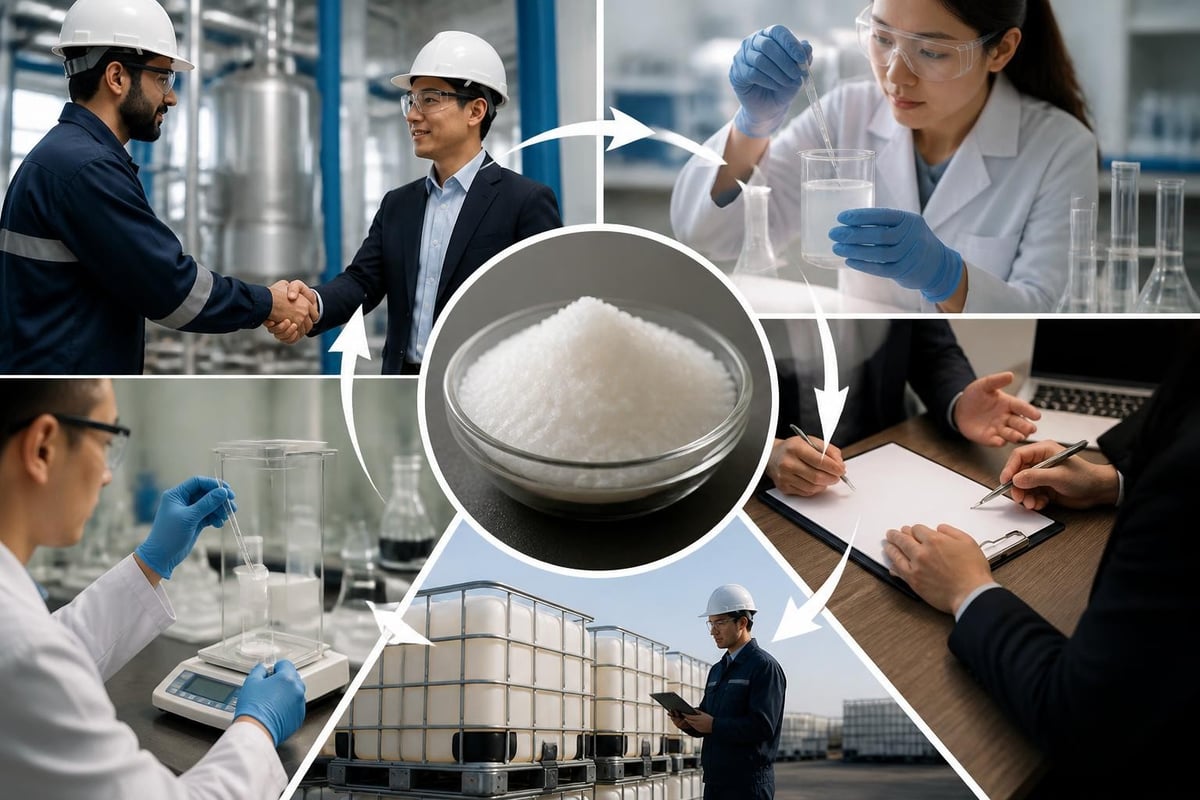
Leading sodium lauryl sulfate manufacturers provide more than commodity chemicals; they offer technical expertise that helps buyers optimize formulations and resolve application challenges.
Valuable technical services include:
- Formulation guidance and compatibility testing
- Troubleshooting for foam stability, viscosity, or clarity issues
- Regulatory support and documentation for specific markets
- Custom specifications for specialized applications
- Sample programs for product development and qualification
Manufacturers with strong technical teams can become true partners in product development. This collaborative approach particularly benefits buyers developing new formulations or entering new markets where regulatory or performance requirements differ from existing products.
For buyers in South Africa and across the continent, accessibility of technical support and reasonable response times matter significantly. Working with suppliers who understand regional conditions and application requirements adds substantial value beyond product delivery.
Frequently Asked Questions About SLS Manufacturers
What differentiates pharmaceutical-grade SLS from technical-grade material?
Pharmaceutical-grade SLS meets stringent purity requirements specified in pharmacopoeias such as USP, EP, or BP. These grades undergo additional testing for heavy metals, residual solvents, and microbial contamination. Pharmaceutical manufacturers must follow GMP production practices and provide comprehensive documentation for regulatory filings.
Technical-grade SLS prioritizes cost-effectiveness for industrial cleaning and processing applications where ultimate purity is less critical. Active matter content may vary more widely, and impurity tolerances are more relaxed.
How do I verify a manufacturer's claimed certifications?
Request certificate copies directly from the manufacturer and verify them through the issuing organization's website or contact channels. ISO certificates should include the certification body's name and accreditation details. For REACH registrations, verify the substance is listed in the European Chemicals Agency database. Reputable manufacturers willingly provide this documentation.
What minimum order quantities should I expect?
MOQs vary significantly by manufacturer and market. Large-scale producers may require container loads (20+ tons) for direct purchases, while others accommodate partial container shipments at premium pricing. Distributors typically offer much smaller quantities, sometimes down to single-bag purchases, enabling access for smaller buyers or product development purposes.
Should I source SLS directly from manufacturers or through distributors?
This depends on your volume, technical requirements, and internal capabilities. Direct manufacturer relationships make sense for consistent, high-volume needs with stable specifications. Distributors add value through smaller quantities, faster delivery, local inventory, consolidated purchasing across multiple chemicals, and simplified documentation. Many companies use both channels strategically.
How can I assess the long-term reliability of a new manufacturer?
Request customer references and contact them about their experience with quality consistency, delivery performance, and responsiveness. Ask about the manufacturer's history, ownership stability, and capacity expansion plans. Visit production facilities when feasible to observe operations firsthand. Start with smaller trial orders to verify quality and service before committing to larger volumes or exclusive relationships.
Quality Assurance Throughout the Supply Chain
Implementing robust quality assurance processes protects buyers from specification drift and contamination issues. Even when working with established sodium lauryl sulfate manufacturers, incoming inspection and periodic verification testing provide essential safeguards.
Recommended QA Protocols
Incoming inspection should include visual examination of packaging integrity, label verification, and documentation review. Each shipment should include a valid CoA matching the material received.
Analytical testing frequency depends on risk assessment and manufacturer track record. New suppliers warrant 100% batch testing until consistency is established. Trusted long-term partners may require only periodic verification testing.
Test parameters should align with critical quality attributes for your application. At minimum, verify active matter content and pH. Applications sensitive to color, odor, or specific impurities require additional testing.
Retention samples from each lot enable retrospective investigation if quality issues emerge downstream. Store samples under conditions that preserve product integrity for the duration of the finished product shelf life.
Managing Quality Deviations
Establish clear protocols for handling off-specification materials. Immediate communication with the manufacturer, investigation of root causes, and documented corrective actions prevent recurrence. Manufacturers who respond transparently and effectively to quality issues demonstrate commitment to continuous improvement.
Quality issues may stem from production changes, raw material variability, or storage and transportation conditions. Collaborative investigation often reveals solutions that benefit both parties.
Emerging Trends in SLS Manufacturing and Supply
The sodium lauryl sulfate manufacturing sector continues evolving in response to market demands, regulatory developments, and technological advances.
Biotechnology-Derived Surfactants
Research into bio-based surfactant production using fermentation or enzymatic processes continues advancing. While commercial-scale bio-SLS remains limited in 2026, some manufacturers are investing in these technologies to address sustainability concerns and reduce dependence on agricultural or petroleum feedstocks.
Digitalization and Supply Chain Transparency
Leading manufacturers are implementing digital platforms that provide customers with real-time inventory visibility, order tracking, and quality documentation access. Blockchain-based supply chain verification is emerging in some sectors, offering enhanced traceability for sustainability claims.
Consolidation and Vertical Integration
The surfactant manufacturing industry has experienced consolidation, with larger chemical companies acquiring smaller specialized producers. Some manufacturers are pursuing vertical integration, securing feedstock supplies or expanding into downstream applications. These structural changes affect buyer options and relationship dynamics.
Regional Production Shifts
Trade policies, freight costs, and sustainability considerations are influencing production location decisions. Some buyers are prioritizing regional suppliers to reduce carbon footprints and improve supply chain resilience, even when pricing is less competitive than distant manufacturers.
For businesses requiring comprehensive logistics solutions, understanding these trends helps anticipate future supply chain dynamics and inform long-term sourcing strategies.
Building Strategic Partnerships with Manufacturers
The most successful buyer-manufacturer relationships transcend transactional exchanges to become strategic partnerships. These relationships deliver competitive advantages through preferential pricing, priority allocation during shortages, collaborative innovation, and proactive problem-solving.
Elements of successful partnerships include:
- Regular communication at multiple organizational levels (procurement, technical, management)
- Mutual understanding of business objectives and constraints
- Transparency about volume forecasts and market conditions
- Joint planning for capacity expansion or specification changes
- Shared commitment to quality and continuous improvement
- Recognition of each party's contributions to mutual success
Building these relationships requires time, trust, and demonstrated reliability from both parties. Buyers who honor commitments, pay promptly, and communicate clearly position themselves as preferred customers. Manufacturers who deliver consistent quality, respond to urgent needs, and provide proactive market intelligence become valued partners.
The investment in relationship development pays dividends through supply continuity, competitive total costs, and access to manufacturer expertise and resources that purely transactional relationships cannot provide.
Selecting the right sodium lauryl sulfate manufacturers requires careful evaluation of quality capabilities, reliability, technical support, and alignment with your business requirements. Success depends on understanding product specifications, assessing manufacturer credentials, and building relationships that deliver value beyond commodity pricing. Whether you need assistance identifying qualified manufacturers, managing complex sourcing requirements, or optimizing your chemical supply chain, Nwans Chemicals provides expert chemical sourcing and supply solutions backed by industry knowledge, supplier networks, and commitment to customer success across South Africa and international markets.
Leave A Comment