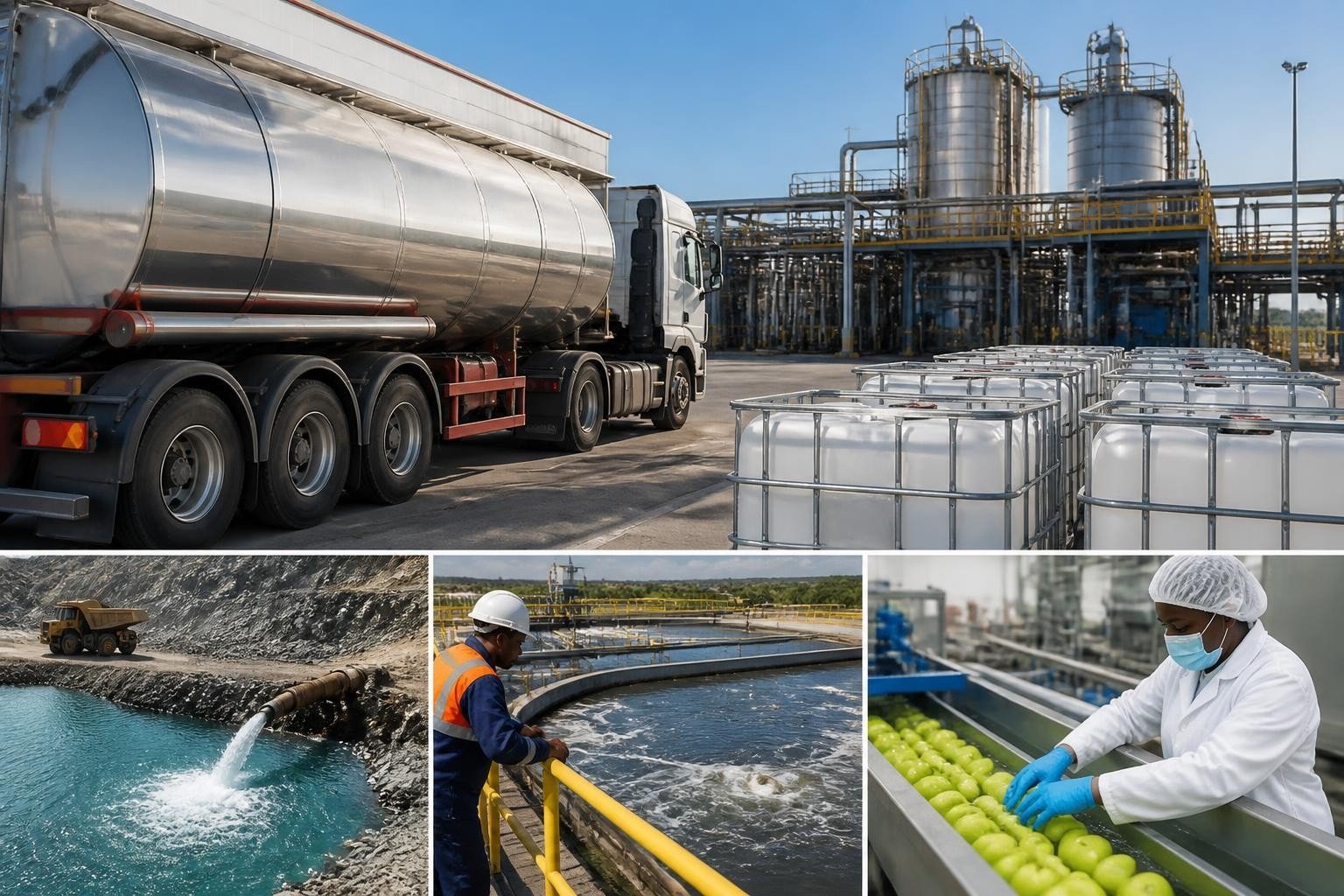
Hydrogen peroxide remains one of the most versatile oxidizing agents used across industrial, water treatment, mining, food processing, and healthcare sectors. As demand for environmentally friendly bleaching agents, disinfectants, and oxidizers continues to grow in 2026, procurement managers and chemical buyers face the critical task of identifying reliable hydrogen peroxide suppliers who can deliver consistent quality, proper documentation, and compliant supply chains. Whether you require food-grade concentrations for beverage processing, industrial-strength solutions for mining applications, or pharmaceutical-grade material for medical device sterilization, selecting the right supplier requires careful evaluation of technical capabilities, regulatory compliance, and logistical infrastructure.
Understanding Hydrogen Peroxide Grades and Specifications
Hydrogen peroxide suppliers typically offer multiple grades and concentrations to serve different industrial applications. The most common commercial concentrations range from 3% for consumer antiseptic use to 70% for industrial oxidation processes, with specialized suppliers providing ultra-high purity grades exceeding 90% for aerospace and electronics applications.
Industrial Grade Hydrogen Peroxide
Industrial-grade hydrogen peroxide typically contains 35% to 50% active ingredient and serves as the workhorse concentration for most manufacturing, water treatment, and processing applications. This grade balances oxidizing power with handling safety, making it suitable for textile bleaching, pulp and paper processing, chemical synthesis, and wastewater treatment.
Key characteristics include:
- Stabilizer packages to prevent premature decomposition
- Defined heavy metal limits (typically less than 5 ppm total)
- pH specifications between 2.0 and 4.0
- Density measurements at 20°C for quality verification
- Batch-specific certificates of analysis
Most hydrogen peroxide suppliers provide industrial grade in IBCs (intermediate bulk containers), drums, or bulk tanker deliveries depending on consumption volumes. According to PubChem’s hydrogen peroxide data, the compound's molecular structure (H₂O₂) makes it inherently unstable, requiring careful formulation and storage protocols that reputable suppliers must maintain throughout the distribution chain.
Food and Pharmaceutical Grades
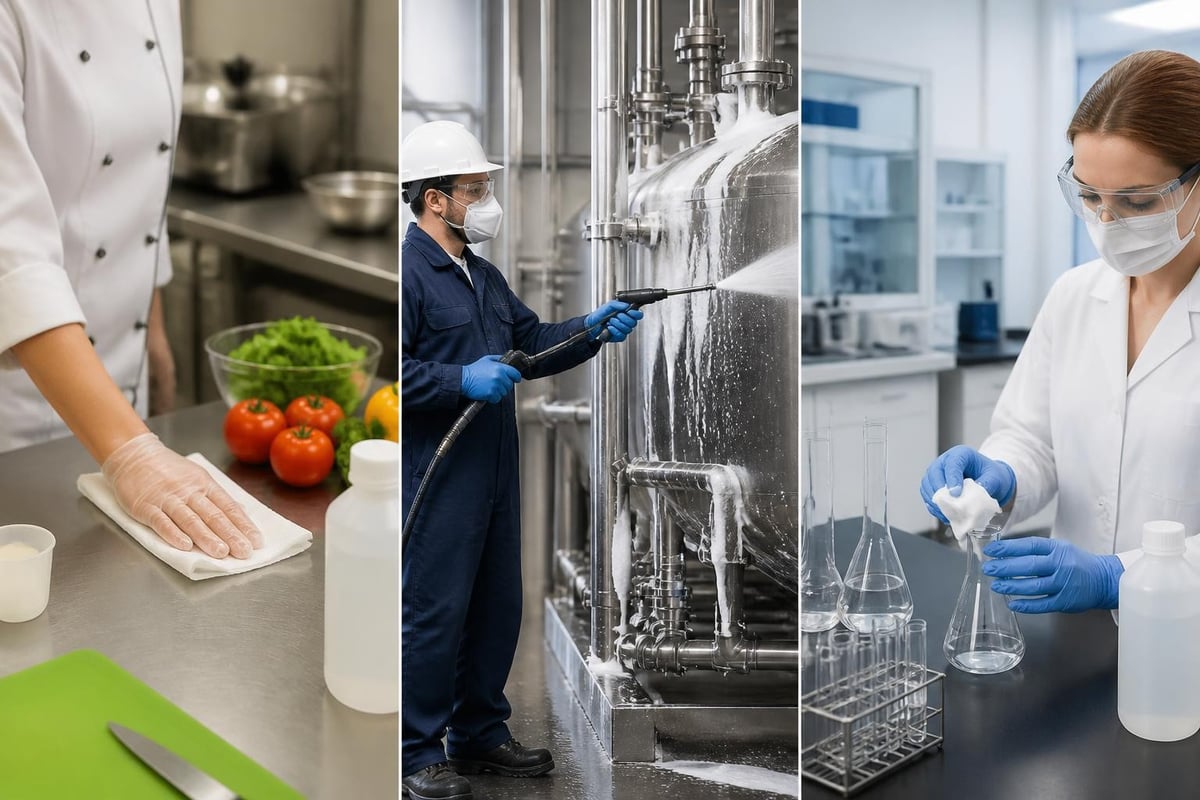
Food-grade hydrogen peroxide (typically 35% concentration) must meet stringent purity standards established by food safety authorities and pharmacopeias. This grade eliminates heavy metal contaminants, organic impurities, and uses only food-safe stabilizers, making it appropriate for aseptic packaging, food surface sanitization, and beverage processing.
Pharmaceutical-grade hydrogen peroxide follows even more rigorous specifications, often conforming to USP (United States Pharmacopeia), BP (British Pharmacopoeia), or EP (European Pharmacopoeia) monographs. These grades require extensive testing protocols and full traceability documentation that only specialized hydrogen peroxide suppliers can provide consistently.
| Grade Type | Typical Concentration | Primary Stabilizers | Key Applications | Documentation Required |
|---|---|---|---|---|
| Industrial | 35-50% | Phosphates, stannates | Water treatment, mining, textiles | COA, SDS, TDS |
| Food-Grade | 35% | Food-safe phosphates | Aseptic packaging, sanitization | COA, SDS, Food safety certificates |
| Pharmaceutical | 3-30% | Minimal, USP-compliant | Medical devices, sterilization | USP compliance, COA, batch records |
| Technical | 50-70% | Custom formulations | Chemical synthesis, electronics | COA, SDS, purity certificates |
Evaluating Hydrogen Peroxide Suppliers
Selecting qualified hydrogen peroxide suppliers requires systematic evaluation of multiple operational and compliance factors. The specialized nature of hydrogen peroxide handling, storage, and transport creates significant variation in supplier capabilities across the market.
Manufacturing and Distribution Infrastructure
Leading hydrogen peroxide suppliers maintain temperature-controlled storage facilities specifically designed for peroxide chemistry. Hydrogen peroxide decomposes when exposed to heat, light, contamination, or incompatible materials, requiring suppliers to invest in dedicated infrastructure including:
- Vented storage tanks with pressure relief systems
- Temperature monitoring and cooling capabilities
- Dedicated filling lines to prevent cross-contamination
- Material-compatible transfer equipment (stainless steel, aluminum)
- Emergency response systems and containment
Transportation presents additional complexity. Hydrogen peroxide classifications vary by concentration under UN Model Regulations, with solutions above 8% classified as oxidizers requiring specialized transport documentation and vehicle specifications. The UN Model Regulations provide detailed classification criteria that compliant hydrogen peroxide suppliers must follow for international and domestic shipments.
Quality Assurance and Testing Capabilities
Professional hydrogen peroxide suppliers operate in-house or contracted laboratories capable of performing critical quality tests on every production batch. Essential testing protocols include assay determination (active H₂O₂ content), residue on evaporation, heavy metals screening, pH measurement, and stability testing under accelerated conditions.
The ATSDR toxicological profile for hydrogen peroxide highlights the importance of accurate concentration determination, as exposure risks and handling protocols vary significantly between dilute and concentrated solutions. Suppliers providing inconsistent or poorly characterized material create both safety hazards and process performance issues for industrial customers.

Regulatory Compliance and Documentation
Hydrogen peroxide suppliers operate within complex regulatory frameworks that vary by jurisdiction, application sector, and product concentration. Procurement managers must verify supplier compliance across multiple regulatory dimensions before establishing supply relationships.
Chemical Registration and Notification
In South Africa and SADC markets, hydrogen peroxide suppliers must comply with national chemical control legislation including product registration, hazardous substance classifications, and inventory reporting. International suppliers exporting into these markets require import permits and customs documentation reflecting proper hazard classifications.
For suppliers serving water treatment applications, water treatment chemicals must often meet drinking water additive approvals or certifications confirming their suitability for potable water contact. Similar sector-specific approvals apply for food contact, pharmaceutical use, and pesticide/disinfectant applications.
The U.S. EPA’s List Q demonstrates regulatory pathways for hydrogen peroxide-based disinfectant products, illustrating the additional compliance burden suppliers face when marketing peroxide for antimicrobial uses versus general industrial oxidation.
Safety Data Sheets and Technical Documentation
Every hydrogen peroxide shipment must include current Safety Data Sheets (SDS) conforming to GHS (Globally Harmonized System) formatting standards. Professional suppliers provide region-specific SDS versions addressing local regulatory requirements and language preferences.
Essential supplier documentation includes:
- Certificate of Analysis (COA) with batch-specific test results
- Safety Data Sheet (SDS/MSDS) in applicable languages
- Technical Data Sheet (TDS) with application guidance
- Handling and storage recommendations
- Emergency response procedures
- Transport classification documents
The NOAA CAMEO Chemicals database provides authoritative emergency response guidance for hydrogen peroxide incidents, information that quality suppliers incorporate into their customer support materials and emergency protocols.
Application-Specific Sourcing Considerations
Different industrial applications impose unique requirements on hydrogen peroxide suppliers beyond basic product specifications. Understanding these application-specific needs helps procurement teams identify suppliers with relevant experience and capabilities.
Water Treatment and Municipal Applications
Water treatment facilities represent major consumers of hydrogen peroxide for advanced oxidation processes, biological treatment enhancement, and disinfection applications. Suppliers serving this sector must provide consistent concentration specifications, as dosing calculations depend on precise active ingredient content.
Municipal water treatment applications require suppliers capable of providing bulk deliveries on reliable schedules, as process interruptions affect public health infrastructure. Storage tank rental programs, automated inventory monitoring, and emergency backup supply agreements represent value-added services that distinguish capable suppliers in this market segment.
Mining and Mineral Processing
Mining operations utilize hydrogen peroxide in flotation processes, cyanide destruction, and effluent treatment. Suppliers supporting mining customers must accommodate remote delivery locations, bulk storage requirements, and integration with on-site chemical management systems.
When sourcing chemical sourcing and procurement solutions for mining operations, technical support becomes particularly valuable. Understanding interactions between hydrogen peroxide and other flotation reagents, optimizing dosing strategies, and troubleshooting process upsets requires supplier expertise beyond basic distribution capabilities.
Mining-grade hydrogen peroxide specifications may differ from other industrial grades, with particular attention to metal content that could interfere with flotation chemistry or downstream metal recovery processes.
Textile and Pulp Processing
Textile bleaching and pulp brightening applications demand hydrogen peroxide suppliers who understand fiber chemistry and bleaching kinetics. Concentration stability during storage proves critical, as degraded material reduces bleaching efficiency and increases chemical costs.
Suppliers serving these industries often provide technical consultation on bleaching recipes, compatibility with other processing chemicals, and optimization of bleaching conditions (temperature, pH, time) to maximize whiteness while minimizing fiber damage.
Supply Chain Logistics and Distribution
Effective hydrogen peroxide suppliers maintain robust logistics infrastructure capable of managing the specialized transport and storage requirements this oxidizer demands. Evaluation of supplier logistics capabilities should examine multiple operational dimensions.
Packaging Options and Container Management
Hydrogen peroxide suppliers typically offer multiple packaging configurations to match customer consumption rates and handling infrastructure:
- Bulk tankers: 20,000-30,000 liters for high-volume consumers with dedicated storage
- IBCs (Intermediate Bulk Containers): 1,000-1,200 liters in returnable or disposable format
- Drums: 200-220 liters for medium-volume users
- Jerricans: 20-25 liters for laboratory or small-scale applications
Container material compatibility proves essential. Hydrogen peroxide attacks many plastics and metals, requiring HDPE, specific stainless steel alloys, or aluminum containers with appropriate internal coatings. Professional suppliers provide compatible containers and manage return logistics for reusable packaging systems.
Geographic Coverage and Delivery Reliability
Distribution network geography significantly impacts service reliability and freight costs. Hydrogen peroxide's limited stability during storage (typically 6-12 months depending on concentration and storage conditions) means customers cannot stockpile large inventories, making consistent delivery performance essential.
For customers operating across multiple sites or countries within Southern Africa, hydrogen peroxide suppliers with regional distribution networks provide significant advantages in freight optimization and emergency supply response. Centralized sourcing through suppliers offering pan-African distribution capabilities simplifies procurement administration while maintaining local responsiveness.
Price Structures and Commercial Terms
Hydrogen peroxide pricing reflects raw material costs, energy expenses, packaging investments, and logistics infrastructure. Understanding supplier pricing mechanisms helps procurement teams negotiate favorable commercial terms while maintaining supply reliability.
Volume-Based Pricing Tiers
Most hydrogen peroxide suppliers structure pricing around volume thresholds, with significant per-unit cost reductions available to customers committing to bulk purchases or annual contracts. Typical pricing breaks occur at:
- Drum quantities (200-1,000 kg purchases)
- IBC volumes (1,000-5,000 kg purchases)
- Partial tanker loads (5,000-15,000 kg purchases)
- Full tanker loads (20,000+ kg purchases)
Long-term supply agreements often provide additional pricing benefits along with supply security guarantees. However, buyers must balance price advantages against storage limitations and product shelf life constraints when committing to volume purchases.
Value-Added Services Impact
Supplier services beyond basic product delivery create real cost impacts that astute buyers factor into total cost comparisons. Services such as technical support, application optimization consultation, inventory management, tank rental programs, emergency supply backup, and waste container return logistics provide measurable value that may justify premium pricing from full-service suppliers versus commodity distributors.
Risk Management in Supplier Selection
Hydrogen peroxide's inherent reactivity and decomposition characteristics create supply chain risks that prudent procurement teams actively manage through supplier selection criteria and relationship structuring.
Supplier Financial Stability
The capital requirements for proper hydrogen peroxide storage, handling, and distribution infrastructure mean that financially unstable suppliers may cut corners on essential safety systems or struggle to maintain inventory during demand spikes. Verifying supplier financial health, facility ownership versus leasing arrangements, and insurance coverage protects buyers from supply disruptions.
Dual-Source Strategies
Critical applications justifying dual-source supplier strategies include those where hydrogen peroxide supply interruption creates safety hazards, production shutdowns, or regulatory violations. Developing relationships with backup hydrogen peroxide suppliers, even at premium pricing, provides business continuity insurance for essential applications.
The WHO guidance on medical device reprocessing demonstrates hydrogen peroxide's critical role in healthcare disinfection, an application where supply reliability directly impacts patient safety and regulatory compliance.
Emerging Trends in Hydrogen Peroxide Supply
The hydrogen peroxide market continues evolving in response to environmental regulations, technological advances, and changing application demands. Forward-thinking procurement teams monitor these trends when evaluating long-term supplier partnerships.
On-Site Generation Technologies
Several technology providers now offer on-site hydrogen peroxide generation systems producing dilute peroxide solutions (typically 2-5%) from water, air, and electricity. These systems reduce logistics costs and eliminate storage risks for applications tolerating lower concentrations.
However, on-site generation remains economically viable primarily for high-volume, low-concentration applications such as certain water treatment scenarios. Most industrial applications requiring 35%+ concentrations continue depending on traditional hydrogen peroxide suppliers for the foreseeable future.
Sustainability and Green Chemistry
Hydrogen peroxide's environmental profile as a "clean" oxidizer that decomposes to water and oxygen positions it favorably against chlorine-based alternatives in many applications. Suppliers emphasizing sustainable manufacturing, renewable energy use in production, and optimized distribution logistics appeal to customers with corporate sustainability mandates.
Some hydrogen peroxide suppliers now offer carbon footprint documentation and participate in industry sustainability initiatives, differentiating their offerings in environmentally conscious procurement processes.
Technical Support and Customer Service
Beyond product delivery, professional hydrogen peroxide suppliers provide technical expertise that helps customers optimize applications, troubleshoot issues, and identify efficiency improvements. The value of supplier technical support varies significantly across supplier categories.
Application Development Assistance
Suppliers with experienced technical teams assist customers developing new hydrogen peroxide applications, optimizing bleaching or oxidation processes, or transitioning from alternative chemistries. This support includes bench-scale testing, pilot trials, process modeling, and full-scale implementation guidance.
For industrial chemicals applications requiring precise dosing control, suppliers may provide automated feed system design, calibration services, and integration with process control systems.
Safety Training and Emergency Response
Comprehensive safety training programs represent valuable supplier services, particularly for organizations new to hydrogen peroxide handling or operating in regions with limited hazardous materials expertise. Training topics should cover proper storage, handling procedures, spill response, first aid, and emergency containment.
Leading suppliers maintain emergency response capabilities including 24/7 technical hotlines, rapid-response spill teams, and incident investigation support. These services prove invaluable during actual emergencies and demonstrate supplier commitment to customer safety.
Qualification and Audit Processes
Formalizing supplier qualification and ongoing audit protocols ensures consistent hydrogen peroxide quality and supply reliability over multi-year relationships. Structured qualification processes should evaluate both initial capability and ongoing performance.
Initial Supplier Assessment
New hydrogen peroxide suppliers should undergo systematic qualification addressing:
- Regulatory compliance verification: Registration status, permits, certifications
- Facility inspection: Storage infrastructure, safety systems, quality control capabilities
- Quality system review: ISO certifications, GMP compliance, testing protocols
- Financial assessment: Creditworthiness, insurance coverage, business stability
- Reference checks: Performance verification from existing customers
- Trial shipment evaluation: Product quality, documentation completeness, delivery performance
This qualification process identifies suppliers capable of meeting ongoing requirements before establishing dependency on their supply chain.
Ongoing Performance Monitoring
After qualification, systematic performance monitoring tracks supplier reliability and identifies emerging issues before they disrupt operations. Key performance indicators for hydrogen peroxide suppliers include:
| Performance Metric | Target Threshold | Measurement Frequency |
|---|---|---|
| On-time delivery | >95% | Monthly |
| Product specification conformance | 100% | Per shipment |
| Documentation completeness | 100% | Per shipment |
| Emergency response time | <2 hours | Per incident |
| Technical inquiry response | <24 hours | Monthly average |
| Price competitiveness | Within 5% of market | Quarterly |
Regular performance reviews with hydrogen peroxide suppliers facilitate continuous improvement, relationship strengthening, and proactive issue resolution.
Building Strategic Supplier Partnerships
For organizations with significant ongoing hydrogen peroxide consumption, elevating key suppliers from transactional vendors to strategic partners delivers substantial long-term value through preferential pricing, supply security, technical collaboration, and innovation access.
Collaborative Planning and Forecasting
Strategic hydrogen peroxide suppliers participate in collaborative demand planning, sharing production schedules, inventory positions, and capacity constraints to optimize supply chain efficiency. This transparency enables suppliers to reserve capacity, pre-position inventory, and coordinate logistics for improved service levels and cost efficiency.
Annual or multi-year agreements with volume commitments provide suppliers with business predictability that translates into pricing benefits, capital investment in customer-specific capabilities, and prioritization during tight supply periods.
Innovation and Continuous Improvement
Strategic supplier relationships create frameworks for continuous improvement initiatives including process optimization, waste reduction, packaging innovation, and application development. These collaborative efforts deliver mutual benefits through improved efficiency, reduced costs, and competitive advantages in end markets.
Some hydrogen peroxide suppliers invest in customer-specific infrastructure such as dedicated storage tanks, on-site inventory management, or automated delivery systems for high-volume strategic accounts. These investments strengthen partnership bonds while improving operational efficiency for both parties.
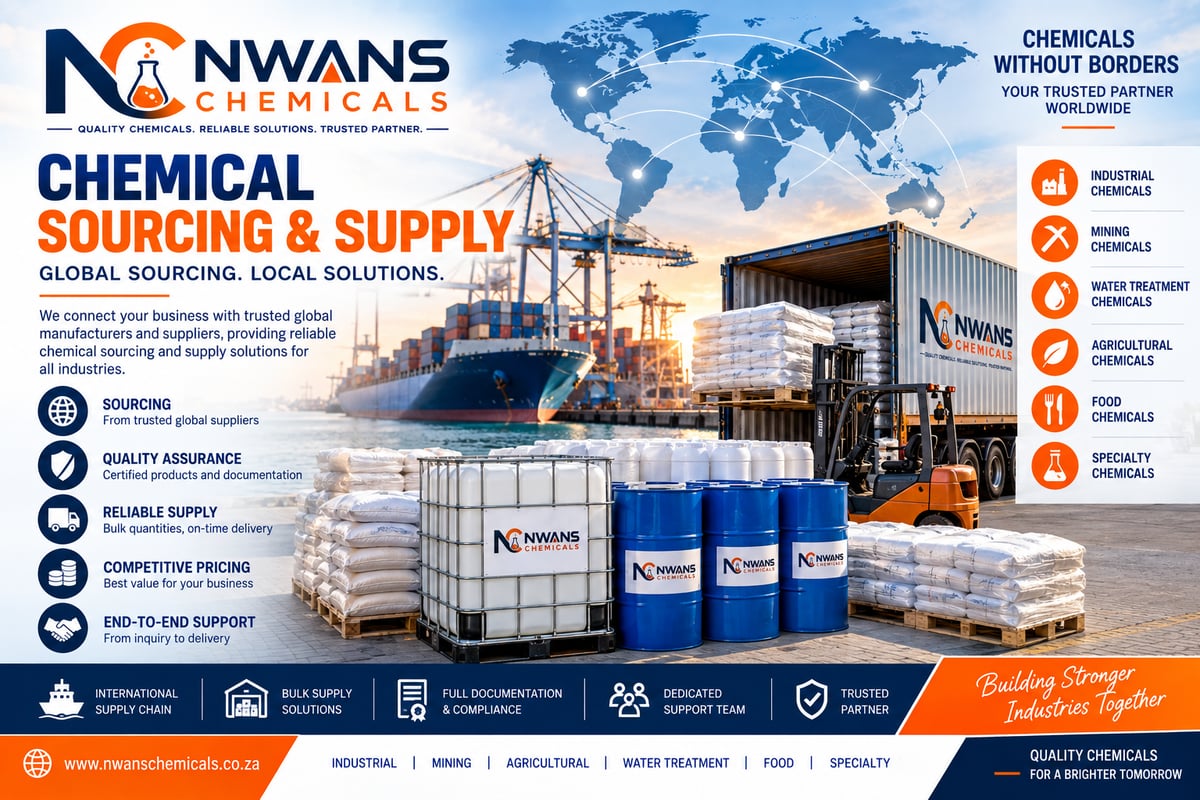
Selecting and managing relationships with reliable hydrogen peroxide suppliers requires systematic evaluation of technical capabilities, regulatory compliance, logistics infrastructure, and commercial terms. By understanding grade specifications, application requirements, and quality assurance protocols, procurement managers can identify suppliers capable of delivering consistent product quality and supply reliability across diverse industrial applications. Whether you require bulk quantities for water treatment, specialized grades for food processing, or technical support for mining applications, Nwans Chemicals provides comprehensive chemical sourcing solutions with competitive pricing, quality documentation, and reliable delivery across South Africa and international markets.
Leave A Comment