

Nitric acid stands as one of the most critical industrial chemicals in modern manufacturing, mining, and agricultural operations. As a highly reactive oxidizing agent, this corrosive mineral acid plays an indispensable role in fertilizer production, metal processing, explosives manufacturing, and numerous chemical synthesis processes. For procurement managers and industrial buyers, identifying reliable nitric acid manufacturers who can deliver consistent quality, proper documentation, and dependable supply chains represents a strategic business imperative. This comprehensive guide examines the key factors businesses must evaluate when selecting nitric acid suppliers, explores global production landscapes, and provides practical insights for establishing successful partnerships with chemical manufacturers and distributors.
Understanding Nitric Acid Production and Industry Standards
Nitric acid manufacturing follows well-established industrial processes that determine product quality and consistency. Most commercial production utilizes the Ostwald process, where ammonia undergoes catalytic oxidation to produce nitrogen oxides, which then react with water to form nitric acid. This three-stage process requires sophisticated equipment, precise temperature control, and extensive safety systems.
Production facilities typically generate nitric acid in concentrations ranging from 50% to 70%, with 68% representing the most common commercial grade. The chemical properties and specifications vary based on concentration, impurity levels, and intended applications. Industrial buyers must understand these specifications to match product grades with their operational requirements.
Global Production Capacity and Regional Markets
The global nitric acid manufacturing landscape concentrates in regions with strong agricultural and chemical industries. Major production centers include:
- North America: Extensive fertilizer-focused production capacity
- Europe: Diversified manufacturing serving multiple industrial sectors
- Asia-Pacific: Rapidly expanding capacity driven by agricultural and industrial growth
- Middle East: Emerging production linked to petrochemical complexes
- Africa: Growing regional capacity serving mining and agricultural markets
South African nitric acid suppliers serve a strategic market connecting continental demand with established industrial infrastructure. The region's mining sector, agricultural operations, and chemical manufacturing base creates consistent demand for industrial-grade nitric acid.
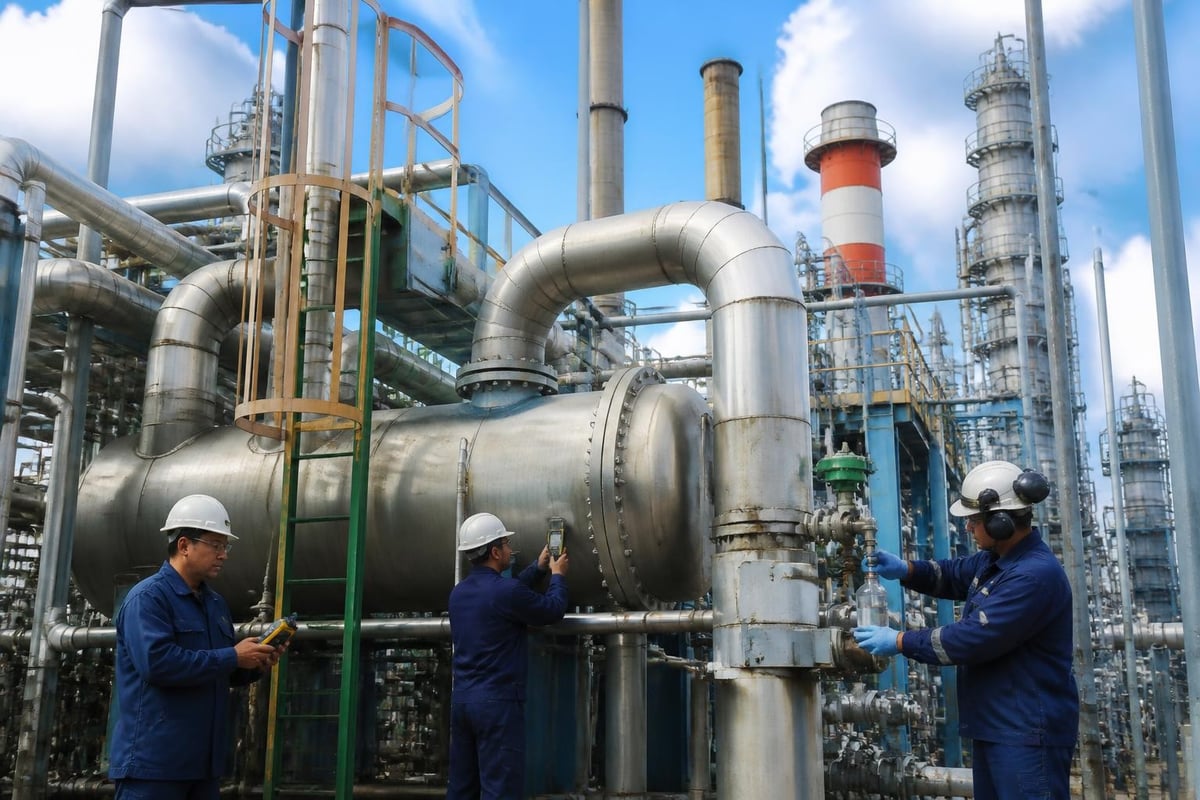
Key Criteria for Evaluating Nitric Acid Manufacturers
Selecting appropriate nitric acid manufacturers requires systematic evaluation across multiple dimensions. Businesses must look beyond price considerations to assess capabilities that ensure long-term supply reliability and operational success.
Product Quality and Technical Specifications
Quality assurance begins with understanding manufacturer capabilities for producing consistent specifications. Reputable nitric acid manufacturers provide detailed technical data sheets specifying:
- Concentration levels (typically 55%, 60%, 65%, or 68%)
- Impurity profiles and maximum contamination levels
- Physical properties including density, vapor pressure, and boiling point
- Analytical methods and testing protocols
- Batch consistency metrics
Industrial buyers should request certificates of analysis (COA) for representative batches, examining variation ranges across production runs. Manufacturers with ISO 9001 certification demonstrate commitment to quality management systems that support consistent production standards.
Manufacturing Certifications and Compliance Documentation
Professional nitric acid manufacturers maintain comprehensive certification portfolios addressing safety, environmental, and quality standards. Essential certifications include:
| Certification Type | Purpose | Relevance |
|---|---|---|
| ISO 9001 | Quality management systems | Ensures consistent production processes |
| ISO 14001 | Environmental management | Demonstrates environmental responsibility |
| OHSAS 18001/ISO 45001 | Occupational health and safety | Confirms worker safety protocols |
| REACH/GHS Compliance | Chemical registration and labeling | Required for international trade |
| Industry-specific certifications | Sector quality standards | Validates application-specific quality |
Manufacturers operating in regulated markets must also comply with emission standards. The U.S. EPA’s nitric acid plant standards illustrate regulatory frameworks governing production facilities, addressing nitrogen oxide emissions and environmental controls.
Supply Capacity and Reliability
Production capacity directly impacts a manufacturer's ability to serve growing accounts and maintain consistent delivery schedules. When evaluating nitric acid manufacturers, procurement teams should assess:
- Annual production volume and current utilization rates
- Storage infrastructure and inventory management capabilities
- Geographic distribution of production facilities
- Track record for meeting delivery commitments
- Contingency plans for supply disruptions
Diversifying among multiple qualified manufacturers can mitigate supply chain risks, particularly for businesses with critical production dependencies on nitric acid availability.
Industrial Applications and Grade Requirements
Different industrial applications demand specific nitric acid grades and purity levels. Understanding these requirements helps buyers identify manufacturers with appropriate production capabilities and technical expertise.
Mining and Mineral Processing Applications
The mining sector utilizes nitric acid in various extraction and processing operations. Gold refineries employ nitric acid in aqua regia solutions for precious metal dissolution and purification. Uranium processing facilities use nitric acid in solvent extraction circuits and fuel reprocessing operations.
For businesses requiring mining chemicals alongside nitric acid, working with distributors who understand mining applications can streamline procurement and ensure compatible product specifications across the chemical portfolio.
Fertilizer Manufacturing Requirements
Fertilizer production represents the largest global consumption segment for nitric acid manufacturers. The chemical serves as a precursor for ammonium nitrate and calcium ammonium nitrate fertilizers, which collectively account for over 60% of worldwide nitric acid demand.
Fertilizer-grade nitric acid typically requires:
- Concentration ranges of 58-68%
- Low chloride and sulfate impurities
- Minimal heavy metal contamination
- Consistent pH and reactivity profiles
Agricultural chemical buyers should verify that manufacturers can provide specifications meeting fertilizer production standards and regulatory requirements for agricultural inputs.
Chemical Manufacturing and Industrial Processing
Chemical synthesis operations employ nitric acid as both a reactant and catalyst in producing:
- Adipic acid for nylon production
- Nitrobenzene and aniline for dye manufacturing
- Nitrocellulose for coatings and explosives
- Specialty organic chemicals and intermediates
- Pharmaceutical precursors and active ingredients
These applications often demand higher purity grades with stringent contamination limits. Manufacturers serving pharmaceutical and specialty chemical markets typically maintain enhanced quality systems and analytical capabilities.
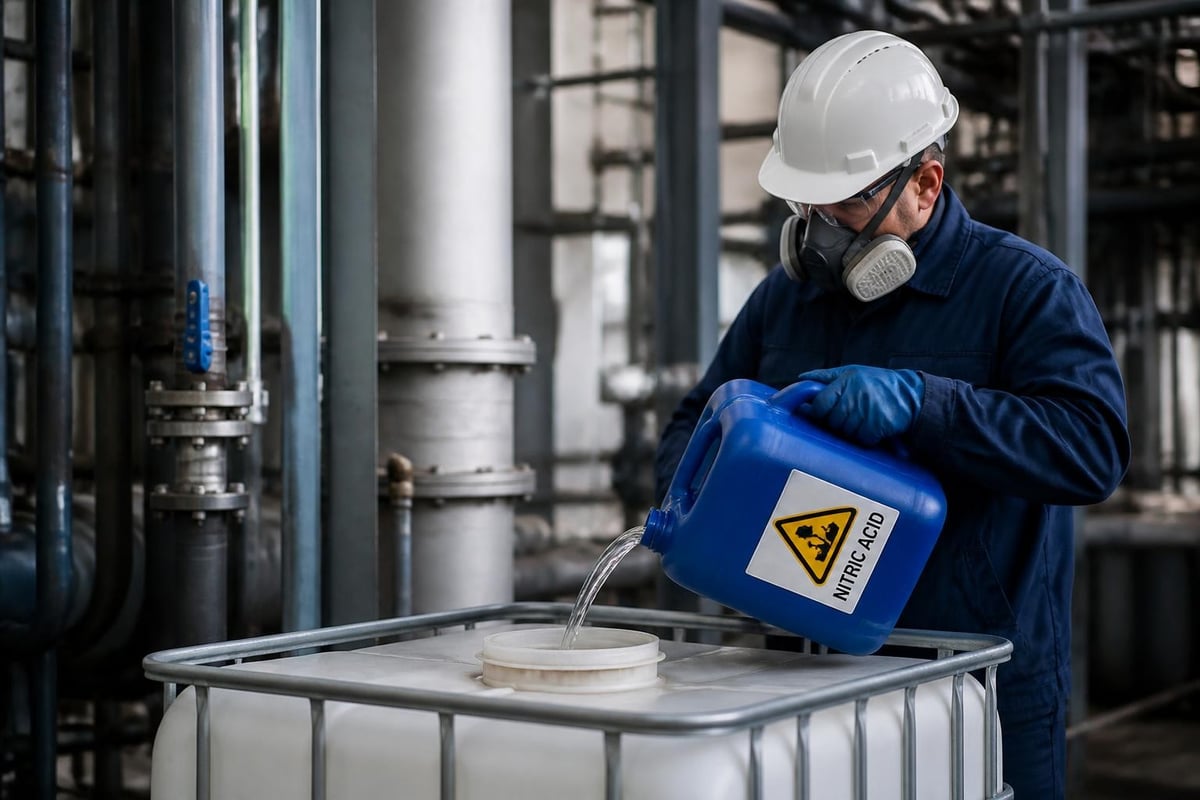
Packaging, Logistics and Handling Considerations
Safe transportation and storage of nitric acid requires specialized infrastructure and compliance with hazardous materials regulations. Evaluating manufacturer capabilities in packaging and logistics protects both product integrity and operational safety.
Standard Packaging Formats and Specifications
Nitric acid manufacturers typically offer multiple packaging options based on order volumes and customer handling capabilities:
- ISO tanks: 20,000-25,000 liter capacity for international shipments
- Bulk tankers: Road or rail transport for large domestic volumes
- Intermediate bulk containers (IBCs): 1,000-1,250 liter totes
- Drums: 200-250 liter steel or approved plastic containers
- Carboys: 25-50 liter containers for laboratory and small-scale use
All packaging materials must resist nitric acid corrosion and meet UN certification standards for hazardous materials transport. Stainless steel (grades 304 or 316) and specific high-density polyethylene formulations provide appropriate material compatibility.
Transportation and Delivery Logistics
Reliable delivery systems distinguish professional nitric acid manufacturers from marginal suppliers. Key logistics capabilities include:
- Proper DOT/IATA/IMDG classification and documentation
- Emergency response planning and CHEMTREC registration
- Temperature-controlled transport for concentration stability
- GPS tracking and shipment monitoring systems
- Experienced drivers with hazmat certifications
For businesses operating across South Africa and neighboring markets, partnering with suppliers offering comprehensive logistics solutions can simplify compliance and reduce transportation risks.
Sourcing Strategies for Nitric Acid Procurement
Developing effective sourcing strategies for nitric acid requires balancing cost optimization with supply security and quality assurance. Strategic buyers employ multiple approaches based on consumption volumes, application requirements, and risk tolerance.
Direct Manufacturer Relationships vs. Distributor Partnerships
Large-volume consumers often establish direct relationships with nitric acid manufacturers to secure preferential pricing and supply priority. This approach offers advantages including:
- Lower per-unit costs through volume commitments
- Direct technical support from production specialists
- Customized packaging and delivery schedules
- Enhanced visibility into production planning and capacity
However, smaller businesses or those requiring diverse chemical inventories may benefit from distributor relationships. Specialized chemical sourcing partners provide access to multiple manufacturers, consolidated logistics, and flexible order quantities without long-term volume commitments.
Price Benchmarking and Contract Structures
Nitric acid pricing fluctuates based on ammonia feedstock costs, energy prices, and regional supply-demand balances. Sophisticated buyers monitor market indicators and structure purchasing agreements accordingly:
- Spot purchases: Immediate availability at current market rates
- Short-term contracts: 3-6 month agreements with periodic pricing adjustments
- Annual contracts: Fixed or formula-based pricing with minimum volume commitments
- Multi-year agreements: Strategic partnerships with volume incentives
Contract structures should include force majeure provisions, quality guarantee clauses, and clear delivery terms (Incoterms) that allocate transportation risks and costs appropriately.
Quality Verification and Supplier Audits
Proactive quality management extends beyond reviewing certificates of analysis. Leading procurement organizations implement supplier qualification programs including:
- Pre-qualification questionnaires assessing capabilities and certifications
- On-site audits of manufacturing facilities and quality systems
- Sample testing through independent laboratories
- Periodic performance reviews tracking delivery, quality, and service metrics
- Corrective action protocols for quality deviations
These verification activities build confidence in supplier capabilities and establish frameworks for continuous improvement partnerships.

Environmental and Safety Considerations in Nitric Acid Manufacturing
Modern nitric acid manufacturers face increasing pressure to minimize environmental impacts while maintaining safety excellence. These factors increasingly influence supplier selection decisions for environmentally conscious buyers.
Emissions Management and Environmental Performance
Nitric acid production generates nitrogen oxide (NOx) and nitrous oxide (N2O) emissions that contribute to air quality concerns and greenhouse gas inventories. The EPA’s greenhouse gas reporting requirements illustrate regulatory frameworks tracking emissions from nitric acid facilities.
Progressive manufacturers invest in emission control technologies including:
- Selective catalytic reduction (SCR) systems for NOx abatement
- Non-selective catalytic reduction (NSCR) for N2O destruction
- Absorption systems recovering nitrogen oxides for acid production
- Process optimization reducing raw material consumption and emissions intensity
Buyers prioritizing sustainability should evaluate manufacturer environmental performance metrics and carbon footprint disclosure practices.
Workplace Safety and Emergency Preparedness
Nitric acid's corrosive properties and oxidizing characteristics create significant workplace hazards requiring comprehensive safety management. Responsible manufacturers demonstrate safety commitment through:
- Robust process safety management (PSM) programs
- Regular safety training and competency verification
- Personal protective equipment (PPE) standards exceeding regulatory minimums
- Emergency response drills and community coordination
- Transparent incident reporting and investigation protocols
Safety performance records, including OSHA recordable incident rates and lost-time injury frequency, provide objective measures of manufacturer safety culture and operational discipline.
Regional Market Dynamics: Nitric Acid Suppliers in South Africa
South Africa's industrial landscape supports a growing market for nitric acid suppliers serving mining, agricultural, and manufacturing sectors. Understanding regional supply dynamics helps businesses develop effective sourcing strategies for the Southern African market.
Local Production and Import Channels
The South African nitric acid market combines domestic production capacity with imported volumes meeting specialized requirements or supplementing local supply. Regional suppliers typically source from:
- Domestic chemical manufacturers with integrated ammonia-nitric acid facilities
- European producers serving African markets through established trade routes
- Middle Eastern facilities leveraging competitive energy costs
- Asian manufacturers offering competitive pricing for bulk shipments
Businesses requiring industrial chemicals can benefit from suppliers maintaining diversified sourcing networks that balance cost optimization with supply reliability and local market knowledge.
Technical Support and Application Expertise
Beyond product supply, professional nitric acid distributors provide value-added services supporting customer success:
- Application engineering assistance optimizing acid concentrations and process parameters
- Safety training covering handling procedures and emergency response
- Regulatory compliance guidance for transport, storage, and workplace safety
- Inventory management programs reducing working capital requirements
- Custom packaging solutions addressing specific operational requirements
These capabilities particularly benefit businesses expanding operations or entering new application areas requiring technical guidance and risk mitigation support.
Future Trends in Nitric Acid Manufacturing and Supply
The nitric acid manufacturing sector continues evolving in response to technological innovation, environmental regulation, and changing market demands. Forward-thinking buyers monitor these trends when establishing long-term supplier relationships.
Green Ammonia and Sustainable Production Pathways
Traditional nitric acid production depends on ammonia derived from natural gas through the Haber-Bosch process. Emerging green ammonia technologies utilizing renewable energy and electrolytic hydrogen offer pathways toward carbon-neutral nitric acid production. While currently at pilot or early commercial stages, these innovations may reshape manufacturer competitive positioning within the next decade.
Digitalization and Supply Chain Transparency
Advanced manufacturers increasingly deploy digital technologies enhancing production efficiency and customer service:
- Real-time production monitoring and predictive maintenance systems
- Automated quality testing and certificate generation
- Customer portals providing order tracking and inventory visibility
- Supply chain analytics optimizing logistics and reducing costs
- Blockchain-based documentation for compliance verification
These capabilities improve operational reliability while enhancing transparency for buyers managing complex supply chains across multiple manufacturers and regions.
Circular Economy Initiatives
Some nitric acid manufacturers explore circular economy approaches recovering and recycling spent acid from industrial processes. These initiatives reduce raw material consumption, minimize waste disposal costs, and support customer sustainability objectives. Buyers with significant acid consumption volumes may benefit from partnerships with manufacturers offering take-back and regeneration services.
Selecting the right nitric acid manufacturers and suppliers requires careful evaluation of quality standards, production capabilities, certifications, logistics infrastructure, and technical support services. Whether your operations demand fertilizer-grade concentrations, high-purity industrial acid, or specialized formulations for mining and chemical manufacturing, partnering with knowledgeable suppliers ensures reliable access to quality products with proper documentation and delivery support. Nwans Chemicals provides comprehensive chemical sourcing and distribution services across South Africa, connecting businesses with trusted manufacturers and delivering industrial chemicals with competitive pricing, quality assurance, and dependable logistics solutions tailored to your operational requirements.
Leave A Comment