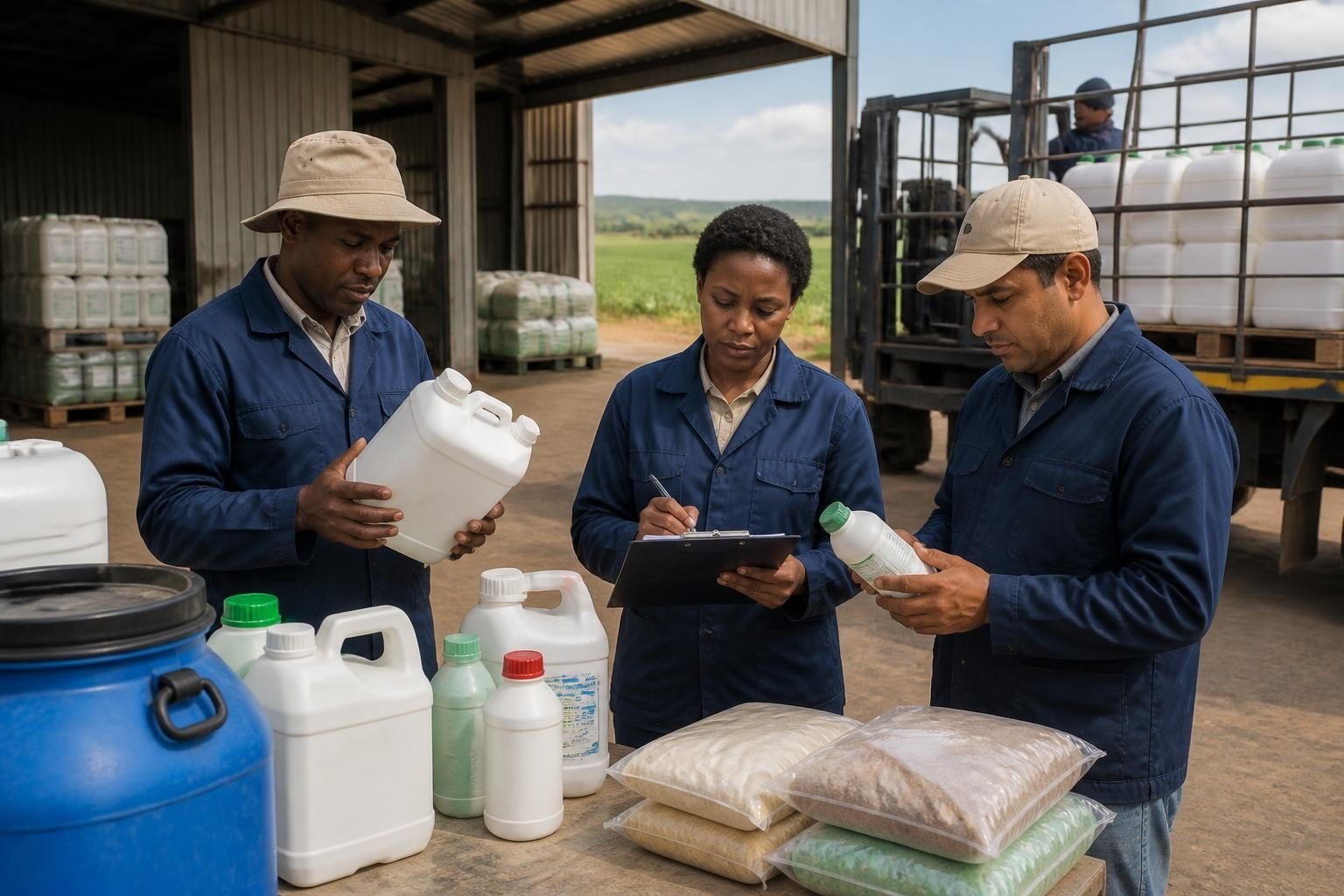
Selecting the right pesticide suppliers is one of the most critical decisions agricultural businesses make each season. Whether you operate a commercial farm, manage a distribution network, or oversee large-scale crop production, your choice of supplier directly impacts product efficacy, regulatory compliance, operational efficiency, and ultimately your bottom line. The South African agricultural sector demands suppliers who can consistently deliver quality crop protection chemicals while meeting stringent safety, environmental, and documentation requirements.
Understanding the Pesticide Supply Landscape in South Africa
The agricultural chemical market in South Africa has evolved significantly over the past decade. Farmers and agribusinesses now have access to a broader range of pesticide suppliers, from multinational manufacturers to regional distributors and specialized chemical sourcing companies. This diversity creates opportunities but also challenges when evaluating potential partners.
Market Dynamics and Supply Chain Considerations
Global pesticide trade data shows that agricultural chemical markets are influenced by seasonal demand, regulatory changes, raw material availability, and international trade patterns. According to FAOSTAT pesticide use and trade statistics, understanding these trends helps buyers make informed procurement decisions and plan inventory management effectively.
Key market factors affecting pesticide suppliers:
- Seasonal demand fluctuations for herbicides, insecticides, and fungicides
- Import dependencies and international supply chain reliability
- Currency exchange impacts on pricing and availability
- Regulatory approval timelines for new active ingredients
- Raw material sourcing and manufacturing capacity

Essential Criteria for Evaluating Pesticide Suppliers
Choosing reliable agricultural chemical suppliers requires a systematic evaluation process. The following criteria form the foundation of supplier assessment for professional buyers and procurement managers.
Product Quality and Consistency
Quality assurance begins with the active ingredient concentration and formulation stability. Professional pesticide suppliers maintain batch-to-batch consistency through rigorous quality control protocols and provide comprehensive certificates of analysis (CoA) with every shipment.
| Quality Indicator | What to Verify | Why It Matters |
|---|---|---|
| Active ingredient purity | CoA showing concentration meets labeled specification | Determines efficacy and application rate accuracy |
| Formulation stability | Shelf life data and storage recommendations | Prevents degradation and waste |
| Physical properties | pH, viscosity, particle size (as applicable) | Ensures proper mixing and application |
| Contaminant levels | Heavy metals, impurities within acceptable limits | Protects crop safety and residue compliance |
Regulatory Compliance and Documentation
All pesticide suppliers operating in South Africa must comply with national registration requirements and provide proper documentation. The EPA’s registration requirements framework illustrates the comprehensive data obligations that legitimate suppliers maintain, even though specific regulations vary by country.
Essential compliance documentation includes:
- Product registration certificates from the appropriate regulatory authority
- Safety Data Sheets (SDS) in the required language and format
- Certificates of Analysis for each production batch
- Import permits and customs clearance documentation (for imported products)
- Transportation and storage compliance records
- Proper labeling meeting local regulatory standards
The FAO International Code of Conduct on Pesticide Management provides voluntary guidance that responsible suppliers follow to ensure lifecycle stewardship and trade best practices.
Technical Support and Agronomic Expertise
Distinguishing professional pesticide suppliers from basic distributors often comes down to technical support capabilities. Suppliers with agronomic expertise can assist with product selection, application timing recommendations, and resistance management strategies.
Experienced suppliers understand crop-specific pest pressure, regional climate considerations, and integrated pest management principles. They can guide customers toward optimal solutions rather than simply fulfilling orders.
Types of Pesticides and Supplier Specialization
Different pesticide categories require specialized handling, storage, and application knowledge. Understanding supplier strengths in specific product categories helps match your needs with the right partner.
Herbicides for Crop Protection
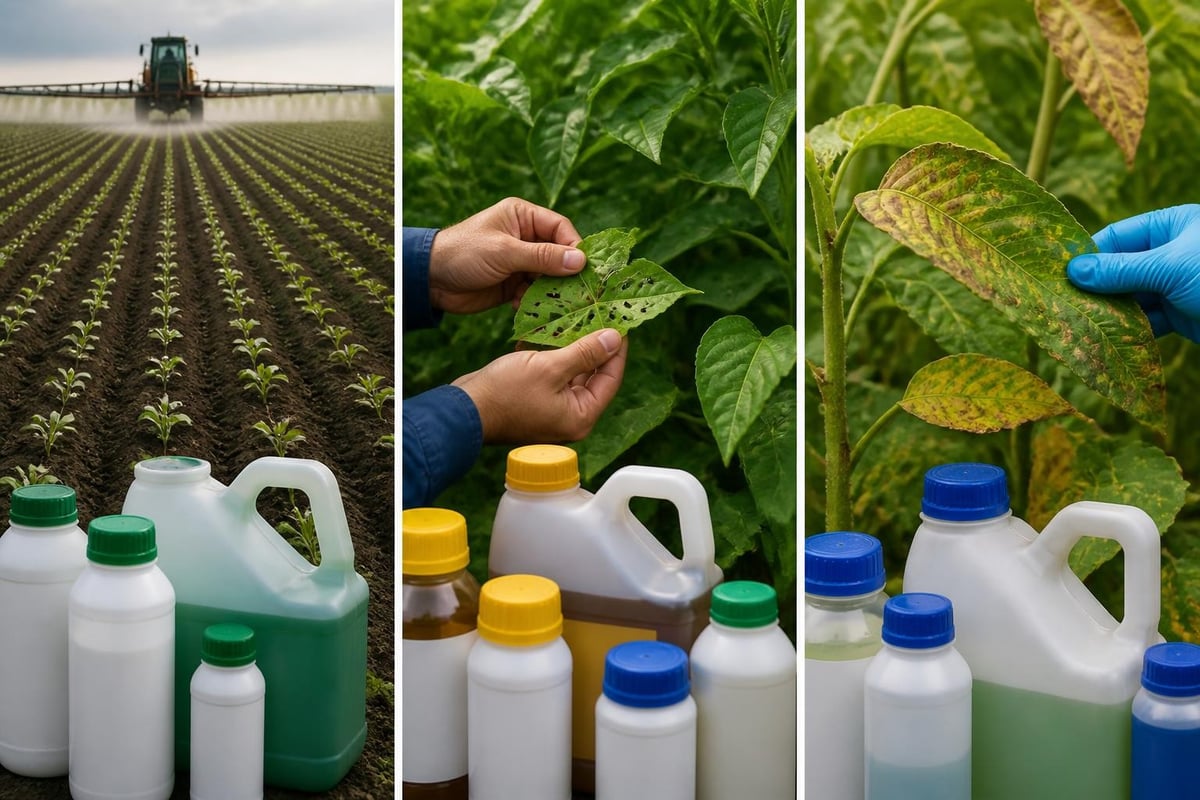
Herbicide suppliers typically stock both selective and non-selective formulations for pre-emergence and post-emergence weed control. Commercial-scale operations require suppliers who can provide bulk quantities of glyphosate, atrazine, paraquat, and other common active ingredients with consistent quality and competitive pricing.
Insecticides and Pest Management Solutions
Insecticide suppliers serve diverse markets from row crops to orchards, vineyards, and greenhouse operations. Product portfolios often include organophosphates, pyrethroids, neonicotinoids, and biological control agents. The best suppliers stay current with resistance management guidelines and can recommend rotation strategies.
Fungicides and Disease Prevention
Fungicide suppliers support crops vulnerable to downy mildew, rust, blight, and other fungal diseases. Quality suppliers maintain cold chain logistics where required and understand the timing-critical nature of fungicide applications during vulnerable growth stages.
Bulk Supply Capabilities and Packaging Options
Agricultural operations purchasing significant volumes need pesticide suppliers who can accommodate bulk orders and provide appropriate packaging formats. This capability directly affects operational efficiency and cost management.
Packaging Formats and Volume Flexibility
Professional suppliers offer multiple packaging configurations to match different operation scales:
- Small containers (1-5 liters/kg) for specialty applications and trial programs
- Standard drums (20-200 liters) for medium-scale operations
- Intermediate Bulk Containers (IBCs) (1000 liters) for large commercial farms
- Bulk tanker delivery for the highest-volume customers with proper storage
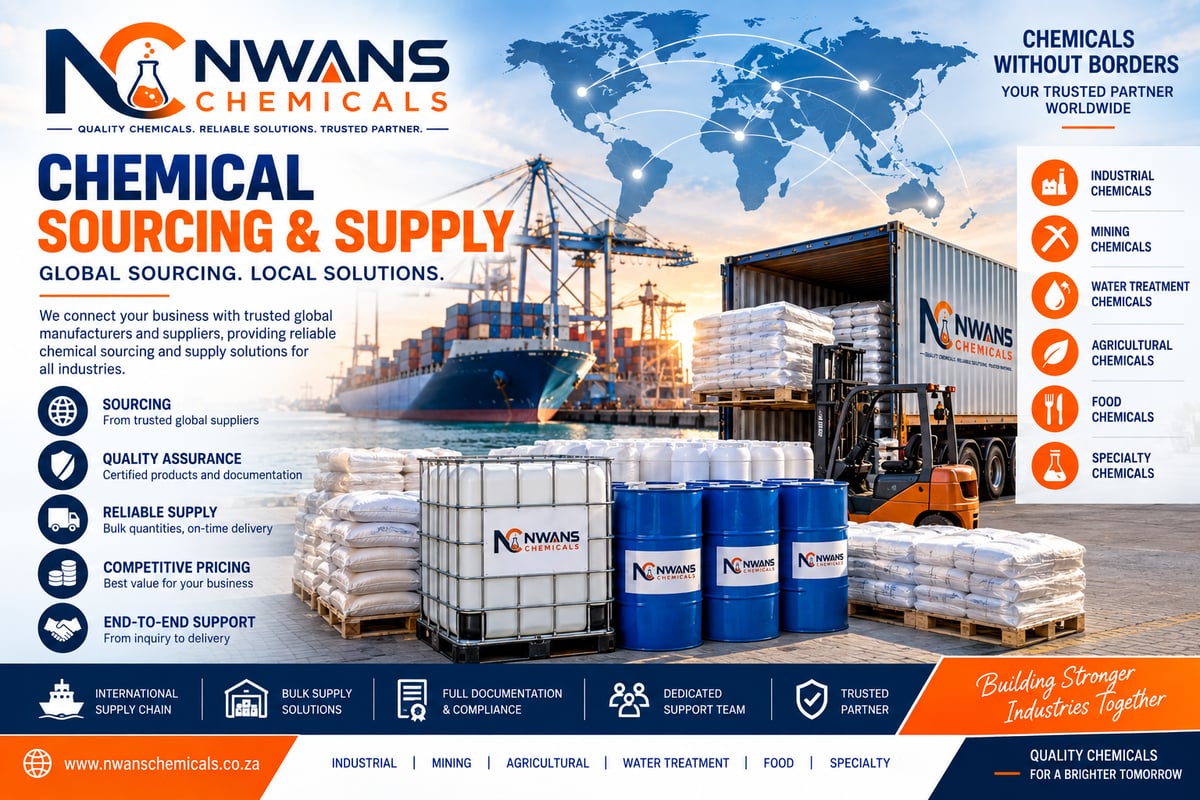
Sourcing partners who understand agricultural chemical requirements can often connect buyers with manufacturers offering customized packaging solutions. For businesses seeking comprehensive chemical sourcing and procurement solutions, working with experienced distributors provides access to global supplier networks while maintaining local support and delivery reliability.
Inventory Management and Delivery Logistics
Reliable pesticide suppliers maintain adequate inventory levels to meet peak-season demand without requiring customers to over-purchase or store excessive volumes. Delivery capabilities should include:
- Flexible order quantities matching seasonal application schedules
- Regional distribution centers reducing delivery times
- Temperature-controlled transport where product specifications require
- Hazardous materials handling certifications and proper placarding
- Emergency order fulfillment for unexpected pest pressure situations
Pricing Structure and Payment Terms
Understanding pricing models helps agricultural buyers optimize procurement budgets and negotiate favorable terms with pesticide suppliers.
Cost Components Beyond Unit Price
The lowest quoted price rarely represents the best overall value. Professional buyers evaluate total delivered cost including:
| Cost Factor | Consideration | Impact on Total Cost |
|---|---|---|
| Base product price | Per liter or kilogram | Primary cost component |
| Volume discounts | Tiered pricing for larger orders | Can reduce unit cost 10-25% |
| Delivery charges | Distance, volume, urgency | Adds 5-15% for remote areas |
| Payment terms | Net 30, 60, seasonal credit | Affects working capital needs |
| Technical support | Included or fee-based | Value-add reducing application errors |
| Returns policy | Unopened product acceptance | Risk mitigation for over-ordering |
Seasonal Financing and Credit Terms
Agricultural businesses often require flexible payment arrangements aligned with crop cycles and cash flow patterns. Established pesticide suppliers understand these dynamics and may offer seasonal credit programs, harvest-based payment schedules, or early-order discounts for customers who plan ahead.
Quality Assurance and Product Testing
Beyond supplier-provided documentation, sophisticated buyers implement their own quality verification processes to ensure consistency and protect against substandard products.
Third-Party Laboratory Testing
Many commercial operations periodically submit samples to independent laboratories for active ingredient verification, especially when:
- Establishing relationships with new pesticide suppliers
- Receiving unexpectedly priced products significantly below market rates
- Observing inconsistent field performance across batches
- Importing products from unfamiliar manufacturers
The USDA Pesticide Data Program demonstrates the analytical rigor applied to pesticide residue monitoring, illustrating the testing capabilities available to verify supplier claims.
Field Performance Tracking
Systematic record-keeping of application rates, timing, weather conditions, and efficacy results creates valuable data for evaluating supplier product quality over time. Patterns of underperformance often correlate with specific batches or suppliers, informing future procurement decisions.
Safety, Storage, and Disposal Practices
Responsible pesticide suppliers provide comprehensive guidance on safe handling, proper storage conditions, and end-of-life product management.
Storage Requirements and Shelf Life
Different pesticide formulations have varying stability profiles and storage requirements. Quality suppliers clearly communicate:
- Temperature ranges for optimal product stability
- Shelf life under proper storage conditions
- Container compatibility to prevent degradation
- Separation requirements from other chemical classes
- Security measures to prevent unauthorized access
Responsible Disposal and Container Management
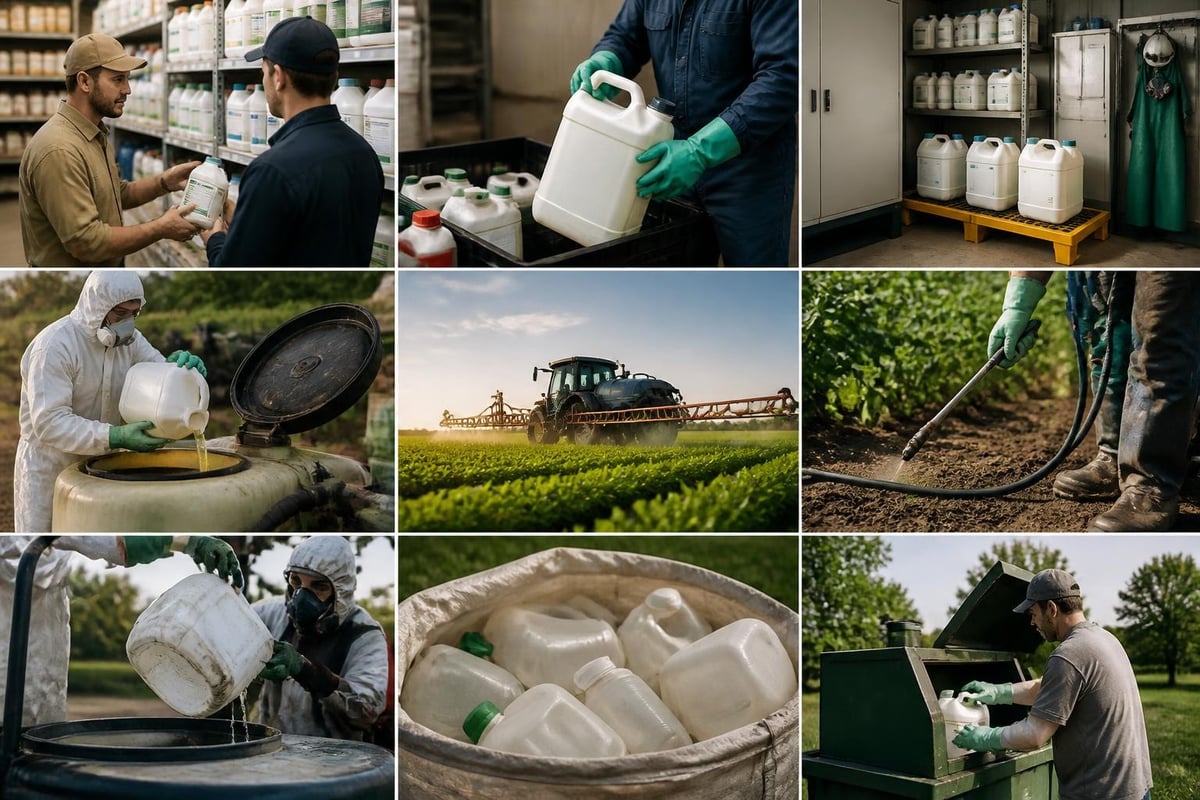
Environmental stewardship extends beyond product application to proper disposal practices. According to EPA pesticide disposal requirements, suppliers should guide customers on container rinsing, recycling programs, and unused product disposal options.
Professional suppliers often participate in or facilitate container collection programs, helping agricultural businesses meet their environmental obligations while reducing disposal costs.
Health and Safety Considerations
Worker safety represents both a legal obligation and an ethical responsibility for agricultural operations. Pesticide suppliers play a crucial role in providing the information and resources necessary for safe handling.
Hazard Classification and Labeling
The WHO IPCS pesticide classification system provides standardized toxicity categories that help suppliers and users understand health risks. Legitimate suppliers ensure labels clearly indicate:
- Hazard class and category
- Signal words (Danger, Warning, Caution)
- First aid instructions
- Personal protective equipment (PPE) requirements
- Re-entry intervals and pre-harvest intervals
Training and Safety Resources
Value-added pesticide suppliers offer training materials, application guides, and safety protocols that help customers protect workers and comply with occupational health regulations. This support distinguishes partners invested in long-term customer success from transactional vendors.
Building Long-Term Supplier Relationships
The most successful agricultural operations develop strategic partnerships with a core group of trusted pesticide suppliers rather than constantly switching vendors based on minor price fluctuations.
Relationship Benefits Beyond Transactions
Established supplier relationships create mutual value:
- Priority allocation during supply shortages or high-demand periods
- Customized solutions for unique pest pressure or crop requirements
- Extended payment terms based on demonstrated payment history
- Early access to new product introductions and technologies
- Consolidated reporting for regulatory compliance and sustainability reporting
Performance Monitoring and Continuous Improvement
Professional procurement programs include regular supplier evaluations covering quality consistency, delivery reliability, documentation accuracy, technical support responsiveness, and overall value. Sharing this feedback with suppliers creates opportunities for continuous improvement and strengthens partnerships.
Agricultural Chemical Sourcing in South Africa
The South African agricultural sector requires pesticide suppliers who understand local growing conditions, pest complexes, regulatory frameworks, and logistical challenges. Regional expertise matters when selecting partners for crop protection chemical procurement.
Local vs. International Sourcing
Agricultural businesses balance several factors when deciding between local pesticide suppliers and international sources:
Local supplier advantages:
- Faster delivery and reduced lead times
- Better understanding of regional pest pressure and crop requirements
- Simplified regulatory compliance with domestic products
- Local currency transactions eliminating exchange rate risk
- Established logistics and distribution infrastructure
International sourcing considerations:
- Access to specialized active ingredients not registered locally
- Potential cost savings on commodity herbicides and insecticides
- Broader product portfolio for diverse operation needs
- Requires import permits, customs clearance, and extended planning
Many agricultural operations optimize their supply chain by maintaining relationships with both local distributors for routine products and international sources for specialized needs. Companies like Nwans Chemicals bridge this gap by providing access to both local and international chemical supply networks with comprehensive sourcing support.
Regional Distribution and Service Coverage
Geographic service coverage significantly impacts delivery reliability and support responsiveness. When evaluating pesticide suppliers in South Africa, consider their distribution footprint across key agricultural regions including the Western Cape, Free State, KwaZulu-Natal, and Mpumalanga provinces.
Due Diligence Process for New Suppliers
Before committing to significant volumes with unfamiliar pesticide suppliers, implement a structured due diligence process to verify capabilities and reduce risk.
Supplier Qualification Checklist
Documentation verification:
- Business registration and operating licenses
- Product registration certificates for offered pesticides
- Quality management certifications (ISO 9001 or equivalent)
- Insurance coverage for product liability and transportation
- References from established agricultural customers
Operational assessment:
- Storage facility inspection (temperature control, security, organization)
- Quality control procedures and laboratory capabilities
- Order processing and customer service systems
- Delivery fleet capacity and maintenance standards
- Emergency response procedures for spills or contamination
Trial Orders and Performance Validation
Starting with smaller trial orders allows verification of supplier claims before committing to seasonal volumes or long-term contracts. Monitor delivery timeliness, documentation accuracy, product condition upon receipt, and technical support responsiveness during initial transactions.
Emerging Trends in Pesticide Supply
The agricultural chemical industry continues evolving with new technologies, sustainability initiatives, and market dynamics affecting how pesticide suppliers serve their customers.
Biological and Reduced-Risk Products
Growing demand for biological pesticides, biopesticides, and reduced-risk synthetic alternatives is reshaping supplier portfolios. Forward-thinking suppliers invest in technical knowledge and distribution capabilities for these emerging product categories.
Digital Tools and Precision Agriculture Integration
Modern pesticide suppliers increasingly offer digital platforms for order management, inventory tracking, application record-keeping, and compliance reporting. Integration with precision agriculture systems enables optimized application rates and documentation.
Sustainability and Stewardship Programs
Environmental, social, and governance (ESG) considerations influence procurement decisions for many agricultural operations. Suppliers demonstrating commitment to sustainable practices, container recycling programs, and responsible stewardship create differentiation in competitive markets.
Making the Final Supplier Selection Decision
After evaluating potential pesticide suppliers across all relevant criteria, agricultural buyers must synthesize information and make informed decisions aligned with their operational priorities.
Weighted Decision Matrix Approach
Creating a structured comparison helps objectify subjective assessments:
| Evaluation Criterion | Weight | Supplier A Score | Supplier B Score | Supplier C Score |
|---|---|---|---|---|
| Product quality consistency | 25% | 4.5/5 | 4.0/5 | 4.8/5 |
| Regulatory compliance | 20% | 5.0/5 | 4.5/5 | 5.0/5 |
| Pricing competitiveness | 15% | 3.8/5 | 4.5/5 | 3.5/5 |
| Technical support | 15% | 4.2/5 | 3.5/5 | 4.5/5 |
| Delivery reliability | 15% | 4.8/5 | 4.0/5 | 4.3/5 |
| Payment flexibility | 10% | 4.0/5 | 4.5/5 | 3.8/5 |
Strategic vs. Tactical Sourcing
Distinguish between strategic suppliers for high-volume, mission-critical products and tactical suppliers for occasional or specialty needs. Most agricultural operations maintain 2-3 strategic pesticide suppliers plus several tactical relationships for specific situations.
Selecting reliable pesticide suppliers requires balancing product quality, regulatory compliance, technical support, and commercial terms to protect your agricultural operation's productivity and profitability. Whether sourcing herbicides, insecticides, fungicides, or other crop protection chemicals, working with experienced partners who understand both global supply networks and local market requirements delivers the best long-term value. Nwans Chemicals provides comprehensive chemical sourcing and procurement solutions for agricultural businesses seeking reliable supply, competitive pricing, and technical expertise across South Africa and international markets.
Leave A Comment