
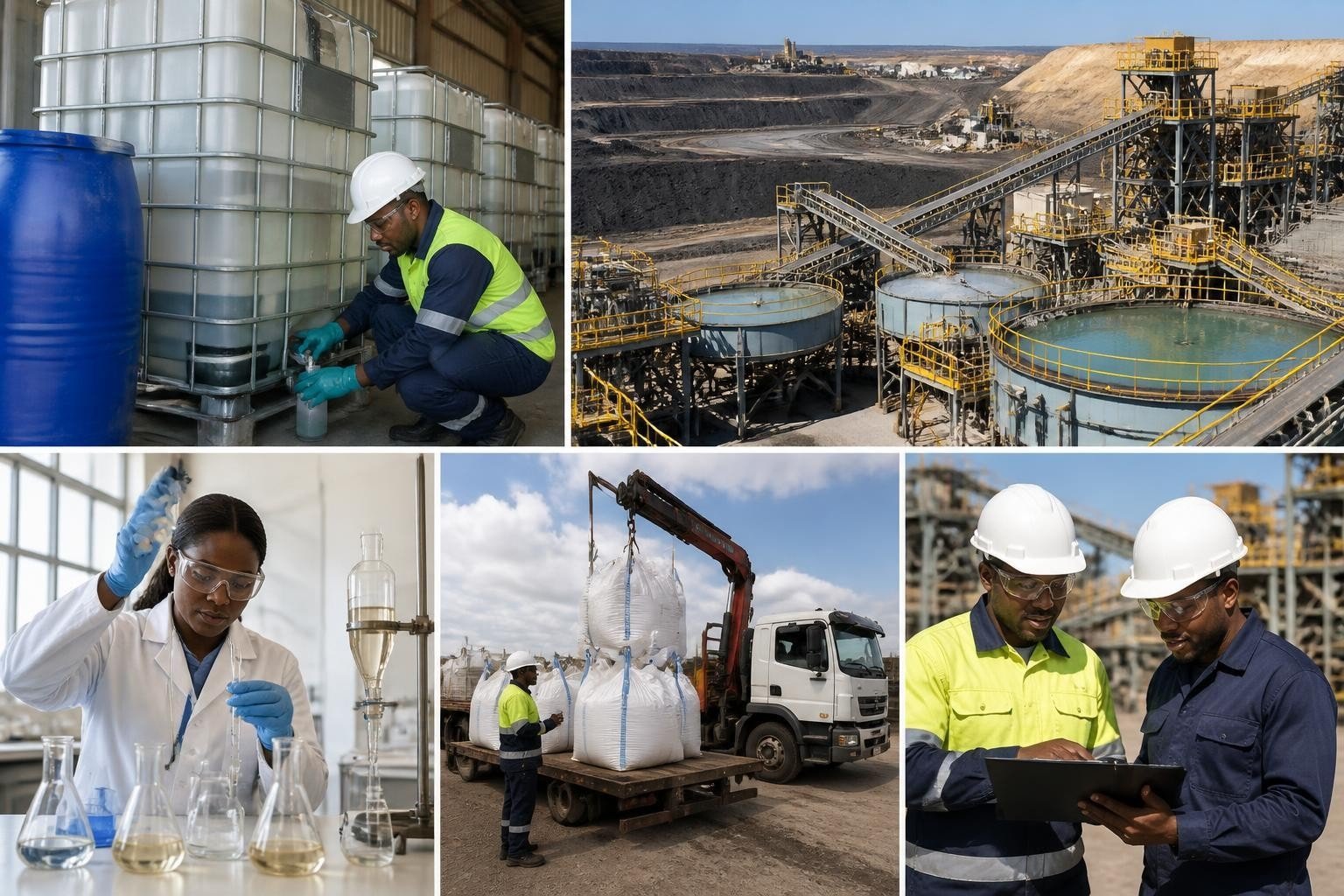
South Africa's mining industry remains one of the most sophisticated and demanding sectors on the African continent, requiring specialized chemical inputs that meet rigorous quality, safety, and performance standards. For procurement managers, mineral processing engineers, and operations directors, selecting the right mining chemicals supplier in South Africa involves balancing technical specifications, regulatory compliance, supply reliability, and total cost of ownership. From flotation reagents and leaching agents to pH modifiers and process water treatment chemicals, every product must perform consistently under demanding operational conditions while meeting strict documentation and safety requirements. This guide examines the critical factors that distinguish reliable suppliers from marginal vendors, helping mining operations build sustainable chemical procurement strategies.
Understanding the Mining Chemical Supply Landscape in South Africa
South Africa's mineral processing sector consumes significant volumes of specialized chemicals across gold, platinum, chrome, iron ore, manganese, and base metal operations. The supplier landscape includes multinational chemical manufacturers, local distributors, regional importers, and specialized chemical trading houses that serve different segments of the market.
Market Structure and Supplier Categories
Mining companies typically source chemicals through three main channels: direct from manufacturers for high-volume commodities, through specialized distributors for technical products requiring support, and via chemical sourcing services for specialty reagents or international products. Each channel offers distinct advantages depending on volume requirements, technical complexity, and delivery timeframes.
Key supplier categories include:
- Bulk commodity chemical suppliers (sulphuric acid, caustic soda, lime)
- Specialty flotation reagent distributors (xanthates, dithiophosphates, frothers)
- Technical chemical sourcing partners (rare reagents, test materials)
- Integrated chemical suppliers offering multiple product categories
- International importers handling overseas manufacturers
The most effective procurement strategies combine multiple channels based on each chemical's criticality, consumption volume, and technical requirements. Operations that rely on single-source suppliers often face supply disruptions, while those that maintain qualified backup suppliers achieve better continuity and price stability.

Essential Mining Chemicals and Their Applications
Mining operations require diverse chemical inputs throughout the mineral processing value chain, from crushing and grinding through flotation, leaching, and tailings treatment. Understanding each chemical's function, specification requirements, and handling considerations helps procurement teams evaluate supplier capabilities accurately.
Flotation Reagents and Collectors
Flotation collectors such as xanthates (SIBX, SIPX, SEX, PAX) represent the most technically demanding category of mining chemicals. These products must meet precise purity specifications, demonstrate consistent performance across ore variability, and maintain stability during storage and handling. For example, SIBX (Sodium Isobutyl Xanthate) is widely used in copper, gold, lead, and zinc flotation where product quality directly impacts metal recovery rates and concentrate grades.
Reliable suppliers provide full technical documentation including assay certificates, solubility data, decomposition characteristics, and recommended dosage ranges. They also offer technical support to optimize reagent consumption and troubleshoot flotation performance issues.
| Flotation Reagent | Primary Application | Critical Specifications | Storage Requirements |
|---|---|---|---|
| SIBX | Copper, gold, lead sulphide flotation | Purity >90%, moisture <5% | Cool, dry, ventilated storage |
| SIPX | Gold, silver flotation | Purity >88% | Moisture-controlled environment |
| PAX | Gold flotation (selective) | Purity >85% | Protected from heat and humidity |
| Pine Oil | Frother for base metals | Specific gravity, flash point | Standard warehouse conditions |
Process Chemicals and pH Modifiers
Mineral processing plants consume large quantities of acids and alkalis for pH control, conditioning, and reagent activation. Caustic soda (sodium hydroxide) and sulphuric acid represent the highest-volume chemical inputs after water, requiring robust supply chains capable of delivering truck loads or bulk shipments on predictable schedules.
Common process chemicals include:
- Sulphuric acid (98%, 93%) for leaching, pH control
- Caustic soda (flakes, pearls, liquid) for pH elevation, flotation conditioning
- Hydrochloric acid for specific leaching applications
- Soda ash for pH buffering and water treatment
- Sodium metabisulphite for oxygen scavenging and cyanide neutralization
Quality specifications for these commodities focus on concentration accuracy, impurity limits (especially heavy metals), and consistency between shipments. Mining operations running continuous processes cannot tolerate specification variations that affect metallurgical performance or product quality.
Supplier Selection Criteria for Mining Operations
Choosing a mining chemicals supplier in South Africa requires systematic evaluation across multiple performance dimensions. Price represents just one factor in a total cost equation that includes product quality, technical support, delivery reliability, documentation standards, and long-term supply security.
Quality Assurance and Product Specifications
Leading suppliers maintain rigorous quality control systems that verify product specifications before dispatch. This includes batch testing, certificate of analysis preparation, and traceability documentation that links each shipment to specific manufacturing lots. For operations subject to international environmental standards or investor reporting requirements, supplier quality systems become part of the mine's own compliance framework.
Essential quality documentation includes:
- Certificate of Analysis (CoA) with batch-specific test results
- Safety Data Sheets (SDS) compliant with South African regulations
- Material Safety Data Sheet (MSDS) for international shipments
- Product specifications sheet with guaranteed minimum/maximum values
- Shelf life and storage condition documentation
Procurement teams should request sample documentation during the qualification process and verify that suppliers can deliver this paperwork consistently with every shipment. Operations that accept chemicals without proper documentation risk non-compliance, process upsets, and safety incidents.
Regulatory Compliance and Safety Standards
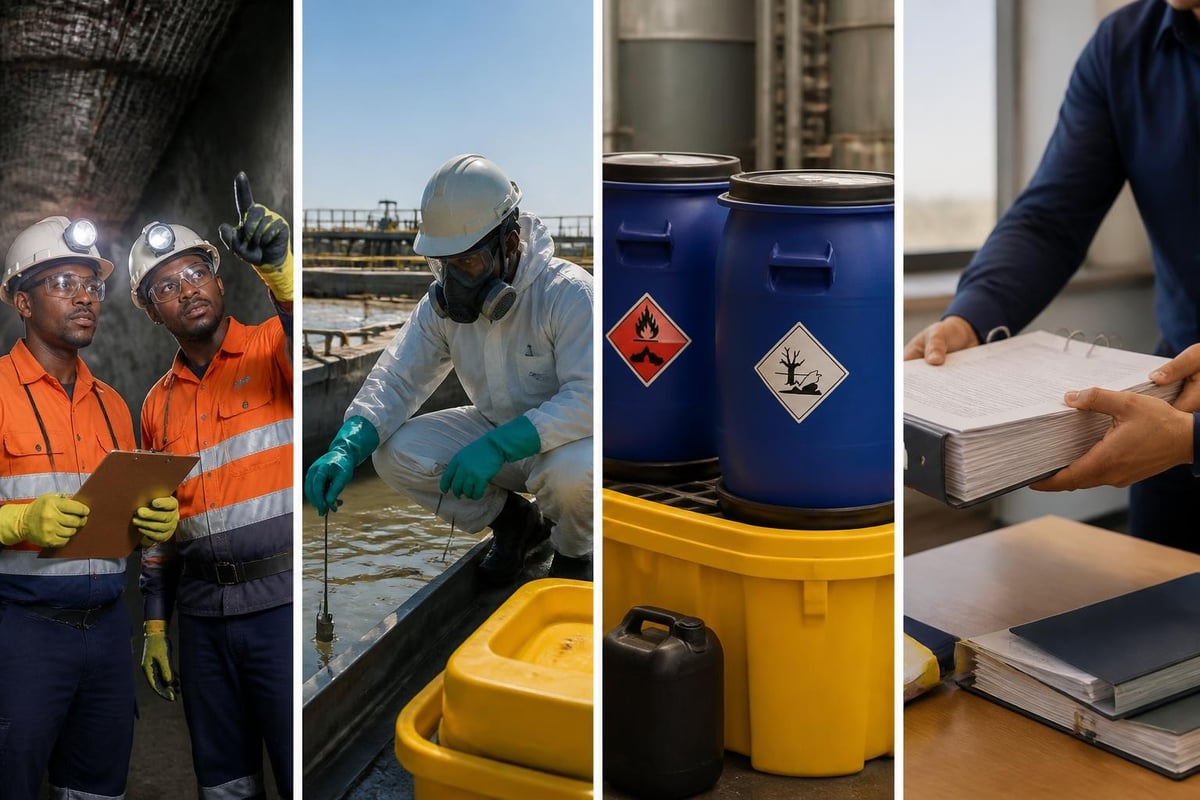
The South African mining sector operates under strict health, safety, and environmental regulations that extend to chemical procurement and handling. Suppliers must demonstrate knowledge of applicable regulations and provide products that meet legal requirements for classification, labeling, and transport.
For high-hazard chemicals such as sodium cyanide, suppliers must comply with mandatory codes of practice and often participate in industry certification programs such as the International Cyanide Management Code. Procurement of such materials requires additional due diligence to verify supplier competence and chain-of-custody controls.
The Department of Employment and Labour enforces Major Hazard Installation regulations that govern bulk chemical storage at mine sites. Suppliers who understand these requirements can advise on packaging options, delivery scheduling, and storage best practices that support regulatory compliance.
Supply Chain Reliability and Logistics Considerations
Mining operations cannot afford chemical supply interruptions that halt processing plants and idle expensive equipment. Evaluating a supplier's logistics capabilities, inventory management systems, and contingency planning becomes as important as assessing product quality.
Inventory Management and Stock Availability
Professional chemical suppliers maintain strategic inventory positions that buffer against manufacturing delays, import disruptions, and demand surges. They track consumption patterns, anticipate seasonal variations, and communicate proactively about potential supply constraints. This inventory management discipline separates reliable suppliers from opportunistic traders who lack commitment to customer continuity.
Key supply reliability indicators:
- Maintained safety stock levels for critical products
- Multiple sourcing options for commodity chemicals
- Transparent lead time communication
- Proactive shortage notifications
- Alternative product recommendations when primary options face delays
Mining companies should discuss inventory policies during supplier qualification and establish clear expectations for minimum service levels, emergency supply protocols, and shortage communication procedures.
Delivery Capabilities and Transportation
Chemical logistics in South Africa involves complex coordination of truck transport, rail movements, and occasionally sea freight for imports. The supplier's transportation network, carrier relationships, and delivery scheduling systems directly impact how reliably chemicals arrive when needed.
For bulk commodities like sulphuric acid or caustic soda, suppliers with dedicated tanker fleets or long-term carrier contracts offer superior reliability compared to those arranging spot transport. Specialist products requiring temperature control, hazard placarding, or security escorts demand suppliers with demonstrated dangerous goods expertise.
| Delivery Consideration | Importance Level | Qualification Questions |
|---|---|---|
| Geographic coverage | High | Which regions do you deliver to directly? |
| Hazardous goods capability | Critical | What dangerous goods classes can you transport? |
| Delivery scheduling flexibility | High | Can you accommodate emergency or off-schedule deliveries? |
| Track and trace systems | Medium | How do you communicate delivery status? |
| Bulk vs. packed delivery | High | What packaging options and bulk services do you offer? |
Technical Support and Application Expertise
The best mining chemicals supplier in South Africa partnerships extend beyond product delivery to include technical collaboration that optimizes chemical performance and process efficiency. Suppliers who invest in application expertise become valuable extensions of the mine's metallurgical team.
Metallurgical Support Services
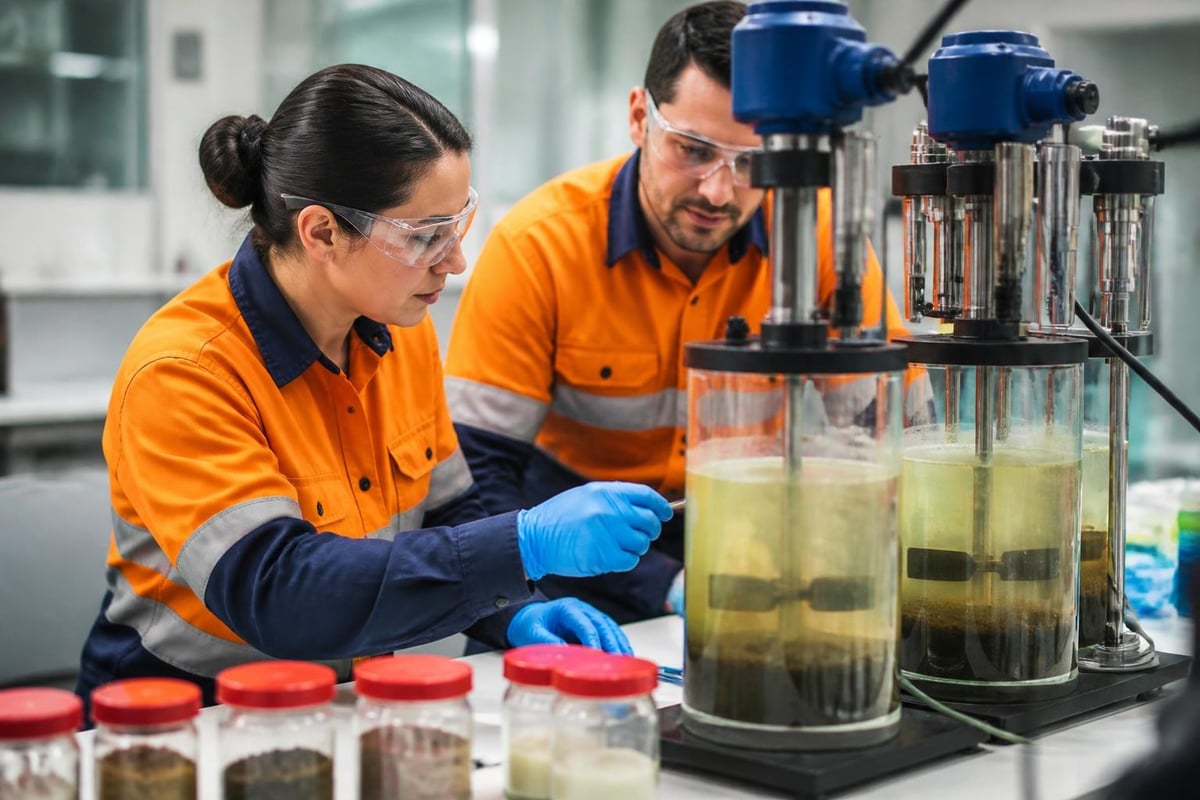
Experienced suppliers employ metallurgists or technical specialists who understand flotation chemistry, leaching kinetics, and process optimization principles. They can review process data, recommend dosage adjustments, suggest alternative reagent combinations, and troubleshoot performance issues that affect metal recovery or concentrate quality.
This technical support proves especially valuable when processing mineralogy changes, new ore zones enter production, or operational upsets require rapid response. Mining operations that develop collaborative relationships with technically competent suppliers achieve better metallurgical outcomes than those treating chemical procurement as purely transactional.
Valuable technical services include:
- Bench-scale flotation testing and reagent screening
- Process audits and consumption optimization studies
- Reagent performance troubleshooting
- New product trials and evaluation support
- Training on proper reagent handling and dosing
Product Development and Innovation
The mining chemical industry continuously develops improved reagents, more selective collectors, and environmentally preferable alternatives to traditional products. Suppliers connected to international research networks and reagent manufacturers provide early access to innovations that can improve plant performance or reduce environmental impact.
For example, Mintek’s research programs frequently collaborate with chemical suppliers to commercialize new flotation reagents and processing technologies. Mining companies that maintain strong supplier relationships gain early visibility into these developments and opportunities to participate in field trials.
Pricing Structures and Value Assessment
Chemical pricing in the mining sector reflects complex factors including raw material costs, international exchange rates, shipping charges, inventory holding costs, and competitive dynamics. Understanding pricing structures helps procurement teams negotiate effectively and assess true value rather than simply choosing the lowest quoted rate.
Transparent Pricing Models
Professional suppliers provide clear pricing breakdowns that separate product cost from freight, handling fees, packaging charges, and any applicable surcharges. This transparency enables meaningful cost comparisons between suppliers and supports budget forecasting for chemical expenses.
Common pricing components include:
- Base product price (per ton, per kilogram)
- Packaging cost (bags, drums, IBCs, bulk)
- Freight and delivery charges
- Fuel surcharges or distance-based adjustments
- Minimum order quantities or small-order fees
- Payment term discounts or early-payment incentives
Mining operations achieving the best value typically negotiate annual agreements with volume commitments that qualify for preferential pricing while maintaining flexibility to adjust call-off quantities based on production rates.
Total Cost of Ownership Considerations
The cheapest quoted price rarely delivers the lowest total cost when factors such as product quality, delivery reliability, technical support, and administrative efficiency enter the calculation. Operations that experience plant shutdowns due to chemical shortages or metallurgical losses from substandard reagents quickly recognize that apparent savings evaporate when indirect costs are included.
| Cost Category | Impact on Total Cost | Evaluation Method |
|---|---|---|
| Product quality variance | Medium to High | Track metallurgical performance vs. reagent batches |
| Delivery reliability | High | Monitor on-time delivery percentage and emergency orders |
| Technical support value | Medium | Assess process improvements from supplier collaboration |
| Documentation quality | Low to Medium | Count rejected batches or compliance incidents |
| Payment terms | Medium | Calculate working capital impact of payment timing |
Sustainability and Environmental Responsibility
Mining companies face increasing pressure from investors, regulators, and communities to demonstrate responsible environmental stewardship, including sustainable chemical management. Selecting suppliers who share these commitments and provide products that support environmental objectives becomes strategically important.
Environmental Product Profiles
Progressive suppliers offer environmental data sheets that complement safety documentation with information about product carbon footprint, manufacturing process sustainability, biodegradability characteristics, and end-of-life disposal considerations. This information supports mine-level sustainability reporting and helps operations make informed choices between alternative products.
For example, major mining companies like Sibanye-Stillwater publish detailed environmental management reports that include chemical consumption data and environmental impact assessments. Their suppliers must provide information that feeds these reporting requirements.
Waste Minimization and Circular Economy
Chemical suppliers can support waste reduction through take-back programs for empty containers, bulk delivery systems that eliminate packaging waste, and recommendations for optimized dosing that reduces chemical consumption without compromising process performance. These initiatives align with broader mining industry trends toward circular economy principles and resource efficiency.
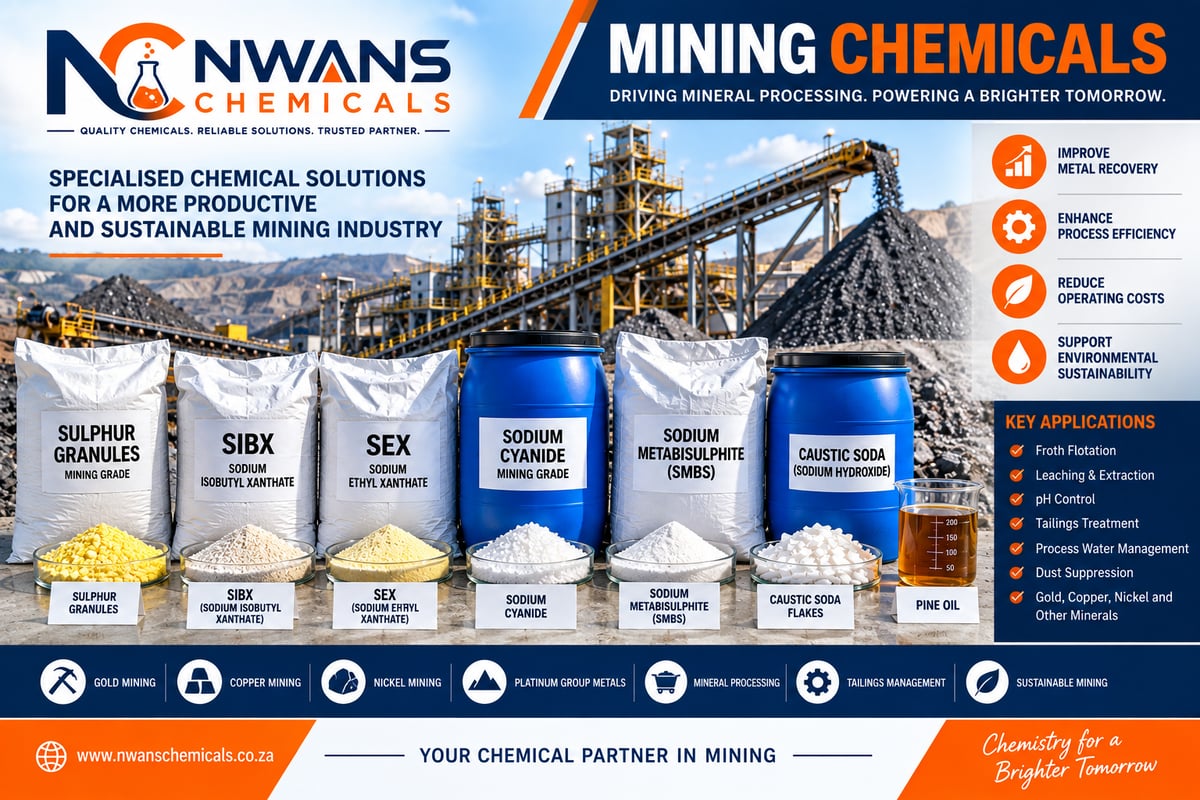
Nwans Chemicals: Reliable Mining Chemical Supply Solutions
As a trusted chemical supplier and distributor, Nwans Chemicals understands the demanding requirements of South Africa's mining sector. The company serves mining operations with comprehensive chemical sourcing capabilities that connect operations with quality products, competitive pricing, and reliable supply chain management.
Mining companies working with Nwans Chemicals gain access to an extensive product portfolio including flotation reagents, process chemicals, water treatment solutions, and specialty mining chemicals. The company's bulk supply capabilities, quality documentation standards, and delivery coordination support operations of all sizes, from small-scale processors to major mining groups.
Building Strategic Supplier Partnerships
The most successful mining operations treat chemical suppliers as strategic partners rather than interchangeable vendors. These partnerships thrive on mutual understanding, transparent communication, and shared commitment to operational excellence and continuous improvement.
Supplier Performance Monitoring
Systematic performance measurement provides the foundation for productive supplier relationships. Mining companies should establish clear metrics, track performance consistently, and review results regularly with suppliers to identify improvement opportunities and recognize excellent performance.
Essential performance metrics include:
- On-time delivery percentage
- Product specification compliance rate
- Documentation accuracy and timeliness
- Technical support responsiveness
- Issue resolution effectiveness
- Price competitiveness vs. market benchmarks
Quarterly business reviews create structured forums for discussing performance trends, addressing concerns, planning for demand changes, and exploring opportunities for process improvements or cost reductions.
Long-Term Relationship Development
Chemical supply relationships that span years or decades deliver superior value compared to frequently changing suppliers in pursuit of marginal price advantages. Stable relationships enable suppliers to invest in understanding the operation's unique requirements, develop customized solutions, and anticipate needs proactively.
Mining companies should balance competitive pressure to maintain fair pricing with relationship continuity that rewards reliable performance and strategic collaboration. Annual competitive tenders for a portion of chemical volumes maintain market awareness while preserving partnerships with proven suppliers.
Procurement Best Practices for Mining Chemicals
Effective chemical procurement requires systematic processes that balance cost control with supply security, quality assurance, and regulatory compliance. Mining companies that implement structured procurement practices achieve better outcomes than those relying on ad hoc purchasing decisions.
Qualification and Approval Processes
New supplier qualification should follow documented procedures that verify technical capabilities, quality systems, regulatory compliance, financial stability, and delivery infrastructure before approving any purchases. This upfront diligence prevents costly mistakes and ensures that only competent suppliers enter the approved vendor list.
Supplier qualification checklist:
- Request and review company credentials and registration documents
- Obtain product specifications and quality control procedures
- Verify regulatory compliance and required certifications
- Check financial stability and business continuity measures
- Assess technical support capabilities and expertise
- Evaluate logistics infrastructure and delivery coverage
- Request and contact customer references
- Conduct site visit or virtual facility tour when appropriate
- Review insurance coverage and risk management practices
- Establish communication protocols and escalation procedures
Contract Management and Terms
Well-structured supply agreements protect both parties' interests while establishing clear expectations for product specifications, delivery schedules, pricing mechanisms, quality disputes, force majeure events, and contract termination conditions. Legal review of chemical supply contracts helps identify potential risks and ensure adequate protections.
Critical contract elements include product specifications with acceptable tolerance ranges, sampling and testing protocols for quality verification, delivery terms specifying responsibilities and lead times, pricing structure with adjustment mechanisms for raw material cost changes, minimum purchase commitments if applicable, and dispute resolution procedures.
Emerging Trends in Mining Chemical Supply
The mining chemical sector continues evolving in response to technological advances, environmental pressures, and changing economic conditions. Forward-thinking operations monitor these trends and work with suppliers who demonstrate innovation and adaptability.
Digital Transformation and Supply Chain Visibility
Digital technologies enable unprecedented supply chain transparency through real-time inventory tracking, automated ordering systems, predictive analytics for demand forecasting, and integrated logistics platforms that coordinate deliveries across multiple sites. Suppliers investing in these capabilities offer mining companies improved planning accuracy and reduced working capital requirements.
Specialized Reagents for Complex Ores
As easily processed ore bodies deplete, mining companies increasingly process complex mineralogy requiring specialized reagents and sophisticated flotation chemistry. Suppliers who maintain relationships with international reagent manufacturers and stay current with metallurgical research provide access to these advanced products and application expertise.
Regional Supply Chain Development
African mining companies increasingly seek to develop regional chemical supply chains that reduce import dependence, support local economic development, and improve supply security. This trend creates opportunities for suppliers with manufacturing or formulation capabilities within South Africa or neighboring countries to build strategic partnerships with mining groups committed to local procurement.
Frequently Asked Questions
What documentation should a mining chemicals supplier provide with each delivery?
Every chemical shipment should include a batch-specific Certificate of Analysis confirming product specifications, a current Safety Data Sheet compliant with South African regulations, delivery note with quantity and product details, and any required dangerous goods documentation for transport compliance. For regulated substances like cyanide, additional chain-of-custody documentation may apply.
How do I verify a supplier's quality control capabilities?
Request detailed information about the supplier's testing procedures, laboratory equipment, and quality assurance protocols. Ask for sample Certificates of Analysis to review testing parameters and result formats. Consider requesting a facility visit or third-party audit report to verify quality systems firsthand. Check whether the supplier works with accredited testing laboratories for independent verification.
What factors influence mining chemical pricing in South Africa?
Pricing reflects raw material costs, international exchange rates (especially USD/ZAR for imported products), energy costs for manufacturing, packaging and handling expenses, transportation distances and logistics complexity, order volumes and delivery frequency, payment terms, and competitive market conditions. Understanding these factors helps in negotiating fair prices and anticipating cost changes.
How can I ensure continuity of supply for critical chemicals?
Qualify multiple approved suppliers for critical products to create backup options. Maintain appropriate on-site inventory to buffer against supply disruptions. Establish clear communication channels with suppliers for early warning of potential shortages. Consider long-term supply agreements with committed volumes to secure priority allocation during tight supply periods. Develop contingency plans identifying alternative products or interim solutions.
What technical support should I expect from a mining chemicals supplier?
Professional suppliers should provide application guidance for proper product use, troubleshooting assistance when performance issues arise, dosage optimization recommendations to improve efficiency, information about new products or alternative reagents, and access to metallurgical expertise for complex flotation or leaching challenges. The level of support often scales with purchase volumes and relationship depth.
Selecting the right mining chemicals supplier in South Africa requires careful evaluation of product quality, regulatory compliance, supply reliability, technical expertise, and total value delivery. Mining operations that implement systematic supplier qualification, build strategic partnerships, and maintain performance accountability achieve superior chemical procurement outcomes that support operational excellence and sustainable mining practices. Nwans Chemicals delivers the comprehensive product portfolio, quality assurance, bulk supply capabilities, and technical support that mining companies need to optimize mineral processing performance and maintain reliable operations across South Africa and regional markets.
Leave A Comment