
Cleaning detergents are essential chemical formulations used across residential, commercial, industrial, and institutional settings to remove dirt, grease, stains, and contaminants from surfaces, fabrics, and equipment. These products rely on sophisticated chemistry combining surfactants, builders, enzymes, bleaching agents, and specialty additives to deliver effective cleaning performance. For manufacturers, procurement teams, and industrial chemical suppliers, understanding the composition, applications, and sourcing considerations of cleaning detergents is critical to meeting market demands, ensuring product quality, and maintaining regulatory compliance in 2026.
Chemistry and Active Ingredients in Cleaning Detergents
The cleaning power of detergents stems from carefully balanced chemical formulations designed for specific applications and soil types.
Surfactants: The Core Cleaning Agents
Surfactants are the primary active ingredients in cleaning detergents, functioning as surface-active agents that reduce surface tension between water and soils. These molecules contain both hydrophobic (water-repelling) and hydrophilic (water-attracting) components, allowing them to surround and lift dirt particles into suspension.
Common surfactant categories include:
- Anionic surfactants (linear alkylbenzene sulfonate, alcohol ethoxysulfates)
- Nonionic surfactants (alcohol ethoxylates, alkyl polyglucosides)
- Cationic surfactants (quaternary ammonium compounds)
- Amphoteric surfactants (betaines, amine oxides)
Each surfactant type offers distinct performance characteristics. Anionic surfactants provide excellent cleaning and foaming in laundry and dishwashing applications. Nonionic surfactants perform well in hard water and low-temperature conditions. Recent research on cleaning product chemistry highlights the importance of selecting surfactants that balance cleaning efficacy with environmental and health considerations.

Builders and Alkaline Components
Builders enhance surfactant performance by softening water, maintaining alkaline pH, and providing additional cleaning power. These ingredients chelate or precipitate hardness ions (calcium and magnesium) that interfere with surfactant action.
| Builder Type | Chemical Example | Primary Function |
|---|---|---|
| Phosphates | Sodium tripolyphosphate | Water softening, soil suspension |
| Zeolites | Zeolite A | Ion exchange, water softening |
| Carbonates | Sodium carbonate (soda ash) | pH buffering, grease emulsification |
| Citrates | Sodium citrate | Chelation, biodegradable builder |
| Silicates | Sodium silicate | Corrosion inhibition, alkalinity |
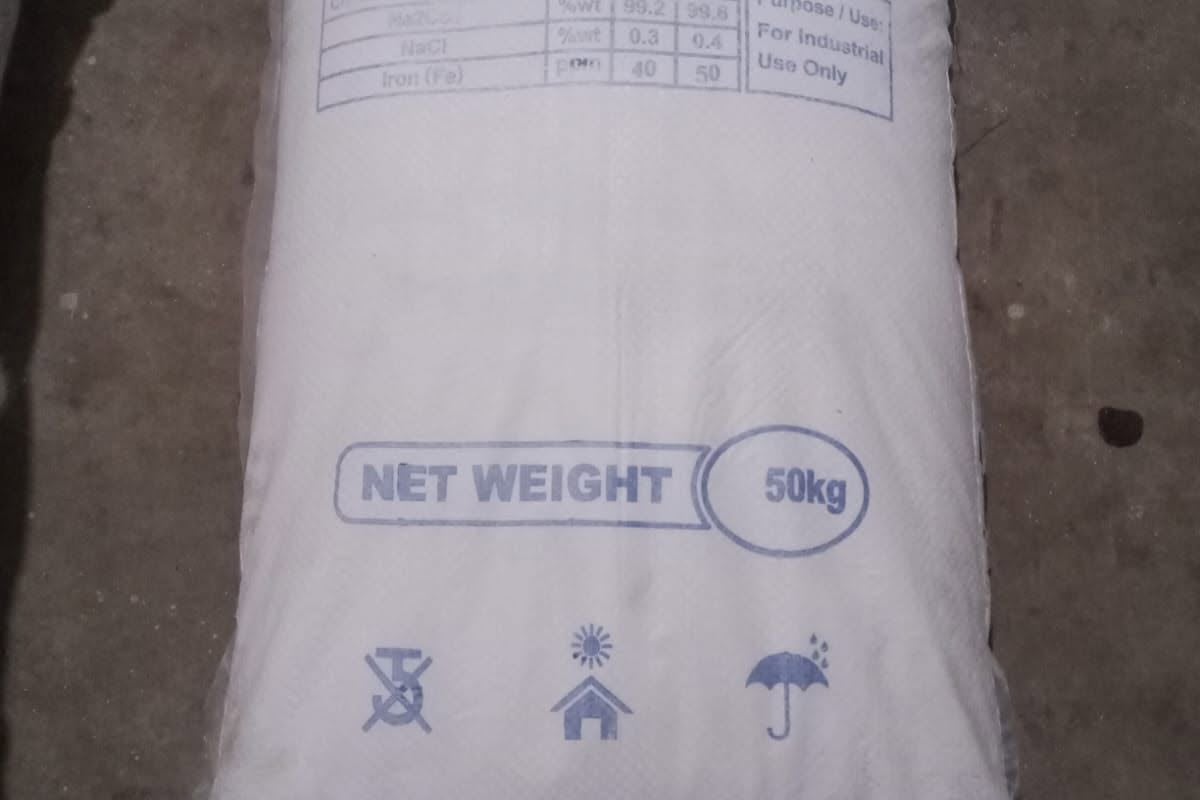
Sodium carbonate (soda ash dense) serves as a cost-effective alkaline builder in powder detergents, providing pH control and enhancing grease removal. Soda Ash Dense is widely used in detergent manufacturing for both household and industrial cleaning formulations, offering excellent solubility and buffering capacity in concentrated products.
Caustic soda (sodium hydroxide) functions as a powerful alkaline agent in heavy-duty industrial cleaning detergents, degreasing formulations, and specialized cleaning applications requiring high pH levels.
Enzymes and Biological Components
Enzymes catalyze the breakdown of specific soil types, improving cleaning performance at lower temperatures and reducing chemical usage. Modern cleaning detergents incorporate multiple enzyme types:
- Proteases break down protein-based stains (blood, grass, food)
- Amylases target starch-based soils (pasta, potatoes, grains)
- Lipases digest fats and oils (grease, butter, body oils)
- Cellulases prevent fabric pilling and restore color brightness
- Mannanases remove guar gum and other polysaccharide stains
Enzyme stability, activity range, and compatibility with other detergent ingredients require careful formulation development and quality control.
Types and Applications of Cleaning Detergents
Cleaning detergents are formulated for diverse applications across residential, commercial, and industrial sectors.
Laundry Detergents
Laundry products represent the largest segment of cleaning detergents, available in powder, liquid, gel, pod, and tablet formats. Formulations differ significantly between product types:
Powder detergents offer excellent storage stability, cost-effectiveness, and strong performance on heavily soiled loads. These products typically contain higher concentrations of alkaline builders and bleaching agents.
Liquid detergents provide convenience, rapid dissolution, and superior performance in cold water washing. Modern liquid formulations incorporate structured surfactant systems, optical brighteners, and fabric care polymers.
Unit-dose products (pods, capsules) deliver pre-measured, concentrated formulations with multi-chamber technology separating incompatible ingredients until use. Consumer Reports testing consistently shows that concentrated unit-dose products offer strong cleaning performance across various water conditions and temperatures.

Dishwashing Detergents
Manual dishwashing liquids and automatic dishwasher detergents require different formulation approaches. Hand dishwashing products emphasize mildness, foam stability, and grease-cutting power. Automatic dishwasher detergents must function in low-water, high-temperature environments without producing excessive foam.
Automatic dishwasher formulations include:
- Alkaline builders for pH control and grease saponification
- Bleaching agents (chlorine or oxygen-based) for stain removal
- Enzymes for protein and starch digestion
- Rinse aids to prevent spotting and improve drying
- Corrosion inhibitors to protect metals and glassware
Industrial and Institutional Cleaning Detergents
Heavy-duty cleaning detergents for industrial and institutional applications address challenging cleaning scenarios including manufacturing equipment, food processing facilities, healthcare environments, and commercial laundries.
These formulations often contain elevated alkalinity levels, specialized surfactant blends, and concentrated active ingredient systems. Applications include:
- Food processing and dairy equipment cleaning
- Industrial degreasing and parts washing
- Commercial kitchen and floor cleaning
- Healthcare and infection control applications
- Automotive and transportation cleaning
Industrial cleaning products must balance cleaning efficacy with material compatibility, worker safety, environmental compliance, and cost-effectiveness for high-volume applications.
Formulation Considerations and Ingredient Selection
Developing effective cleaning detergents requires balancing multiple performance, regulatory, and commercial factors.
Performance Requirements
Cleaning detergent formulations must address specific soil types, water conditions, temperature ranges, and substrate materials. Key performance criteria include:
- Soil removal efficiency across grease, protein, particulate, and oxidizable stains
- Rinsing characteristics and residue prevention
- Foam profile appropriate to application (high for manual cleaning, controlled for automatic systems)
- Substrate compatibility preventing damage to fabrics, surfaces, or equipment
- Stability during storage, transportation, and shelf life
Formulators conduct extensive testing to optimize ingredient ratios, pH levels, sequestration systems, and additive packages.
Regulatory Compliance and Environmental Standards
Cleaning detergents must comply with evolving chemical regulations governing ingredient safety, biodegradability, labeling, and environmental impact. The EU Detergents Regulation establishes requirements for surfactant biodegradability, phosphate restrictions, ingredient disclosure, and product labeling throughout European markets.
In the United States, the EPA Safer Choice program provides criteria and certification for cleaning products meeting stringent health and environmental standards. These guidelines influence ingredient selection toward safer surfactants, biodegradable builders, and reduced volatile organic compounds.
| Regulatory Aspect | Key Requirements | Impact on Formulation |
|---|---|---|
| Surfactant biodegradability | Ultimate biodegradation ≥60% (OECD methods) | Restrictions on certain surfactant structures |
| Phosphate limits | Banned or restricted in many jurisdictions | Shift to zeolites, citrates, polycarboxylates |
| Ingredient disclosure | Allergen labeling, fragrance transparency | Enhanced safety data, allergen management |
| VOC content | Limits on volatile organic compounds | Reduced solvent use, modified fragrances |
| Aquatic toxicity | Safe concentrations for aquatic organisms | Testing and ingredient screening |
Manufacturers sourcing ingredients from chemical suppliers must verify regulatory compliance, obtain safety documentation, and maintain traceability throughout supply chains.
Cost Optimization and Raw Material Sourcing
Raw material costs typically represent 40-60% of finished detergent production expenses. Strategic sourcing decisions significantly impact manufacturing economics and product competitiveness.
Critical sourcing considerations include:
- Surfactant pricing and availability (petroleum vs. oleochemical-based)
- Builder selection balancing performance and cost
- Enzyme costs relative to formulation benefits
- Packaging materials and bulk handling systems
- Transportation and logistics for domestic and international supply
Working with established chemical distributors and suppliers ensures consistent product quality, reliable delivery schedules, competitive pricing on bulk volumes, and technical support for formulation optimization.
Manufacturing Processes and Quality Control
Production of cleaning detergents employs diverse manufacturing technologies suited to product format and scale.
Powder Detergent Manufacturing
Spray drying remains the dominant process for powder detergent production, creating free-flowing granules with good dissolution properties. The process involves:
- Preparing a concentrated aqueous slurry of surfactants, builders, and water-soluble ingredients
- Atomizing the slurry into a hot air stream within a spray tower
- Rapid evaporation creating hollow granules (beads)
- Post-addition of heat-sensitive ingredients (enzymes, bleach, fragrance)
- Packaging in appropriate consumer or bulk formats
Dry mixing and agglomeration processes offer alternatives for specialized formulations or smaller production scales.
Liquid Detergent Production
Liquid detergent manufacturing typically employs batch or continuous mixing systems combining liquid surfactants, builders, solvents, and additives under controlled temperature and agitation. Process steps include:
- Sequential ingredient addition following optimized mixing protocols
- pH adjustment and quality verification
- Viscosity control and stabilization
- Filtration to remove undissolved materials
- Filling into retail bottles, bulk drums, or intermediate bulk containers (IBCs)
Advanced liquid formulations may require specialized mixing equipment, controlled temperature profiles, or homogenization steps to achieve stable, uniform products.
Quality Assurance Testing
Manufacturers implement comprehensive quality control programs testing raw materials, in-process samples, and finished products. Standard test methods evaluate:
| Test Parameter | Purpose | Typical Methods |
|---|---|---|
| Active matter content | Verify surfactant concentration | Titration, two-phase separation |
| pH | Confirm alkalinity specification | pH meter measurement |
| Density/Viscosity | Check formulation consistency | Hydrometer, viscometer |
| Enzyme activity | Verify biological performance | Substrate assays |
| Cleaning performance | Assess soil removal efficacy | Standardized wash tests |
| Stability | Predict shelf life | Accelerated aging studies |
Documentation including certificates of analysis, safety data sheets, and regulatory compliance statements supports customer specifications and quality requirements.
Health, Safety, and Environmental Considerations
Proper handling, use, and disposal of cleaning detergents protect worker health, consumer safety, and environmental quality.
Occupational Exposure and Worker Protection
Manufacturing and professional use of cleaning detergents can expose workers to concentrated chemical formulations. Research on cleaning product exposures identifies respiratory irritation, skin sensitization, and eye damage as primary occupational health concerns.
Employers should implement exposure controls including:
- Engineering controls (local exhaust ventilation, enclosed processes)
- Administrative controls (work practices, exposure time limits)
- Personal protective equipment (gloves, eye protection, respiratory protection when needed)
- Training programs on safe handling, spill response, and emergency procedures
Infection Prevention and Cleaning Protocols
Healthcare and food service applications require cleaning detergents that support infection prevention while maintaining material integrity. The WHO guidelines on environmental cleaning emphasize systematic cleaning protocols, appropriate product selection, staff training, and monitoring systems.
Effective programs combine:
- Validated cleaning procedures for different surfaces and contamination levels
- Appropriate detergent selection considering soil type and microbial load
- Adequate contact time for chemical action
- Quality verification through visual inspection and monitoring tools
- Documentation supporting infection control and regulatory requirements
Environmental Impact and Sustainability
The environmental footprint of cleaning detergents extends from raw material sourcing through use and disposal. Modern formulation strategies emphasize:
Concentrated products reducing packaging, transportation emissions, and storage requirements
Cold-water efficacy lowering energy consumption during use
Biodegradable ingredients minimizing aquatic ecosystem impacts
Reduced packaging waste through refill systems, bulk dispensing, and recycled materials
Renewable feedstocks substituting bio-based surfactants for petroleum derivatives
Manufacturers and large-volume users increasingly prioritize sustainable sourcing, lifecycle assessment, and environmental product declarations supporting corporate responsibility objectives.
Procurement Strategies for Detergent Manufacturers
Securing reliable supplies of quality raw materials at competitive pricing requires strategic procurement approaches.
Supplier Selection and Qualification
Successful detergent manufacturers establish relationships with qualified chemical suppliers meeting strict criteria:
- Product quality and consistency verified through testing and certificates of analysis
- Regulatory compliance including safety documentation and ingredient declarations
- Supply reliability with adequate inventory, production capacity, and backup sources
- Technical support providing formulation assistance and troubleshooting
- Competitive pricing reflecting market conditions and volume commitments
- Logistics capabilities ensuring timely delivery in appropriate packaging
Bulk Supply and Packaging Options
Raw material purchasing decisions consider packaging formats suited to production scale and handling systems:
| Package Type | Typical Capacity | Best Applications |
|---|---|---|
| Bags | 25-50 kg | Powder builders, specialty chemicals |
| Drums | 200-220 liters | Liquid surfactants, solvents |
| IBCs | 1000 liters | High-volume liquid ingredients |
| Bulk tankers | 20,000+ liters | Major surfactants, caustic soda |
| Jumbo bags | 500-1000 kg | Powder surfactants, builders |
Bulk chemical supply arrangements offer significant cost advantages, reduced handling labor, and improved inventory management for high-consumption ingredients.
International Sourcing and Supply Chain Management
Global sourcing provides access to specialized ingredients, competitive pricing, and supply security through diversified supplier networks. Effective international procurement addresses:
- Currency fluctuations and payment terms
- Import regulations and customs clearance
- Quality verification and pre-shipment testing
- Lead times and inventory planning
- Transportation logistics and freight optimization
- Documentation requirements (MSDS, COA, certificates of origin)
Partnering with experienced chemical sourcing specialists streamlines international procurement, reduces supply chain risks, and ensures regulatory compliance across markets.
Emerging Trends and Future Developments
Innovation in cleaning detergents continues advancing performance, sustainability, and consumer convenience.
Enzyme Technology Advancement
Next-generation enzymes offer improved stability in harsh formulation conditions, broader pH and temperature activity ranges, and enhanced specificity for challenging stains. Biotechnology developments produce novel enzymes targeting oxidized soils, malodors, and biofilms while reducing overall chemical loading.
Sustainable Chemistry Innovation
Bio-based surfactants derived from renewable feedstocks (palm, coconut, corn, algae) increasingly replace petroleum-sourced ingredients. Advances in green chemistry produce high-performance surfactants with reduced environmental footprints, improved biodegradability, and lower aquatic toxicity.
Smart Formulations and Delivery Systems
Encapsulation technologies protect unstable ingredients, enable targeted release, and extend fragrance longevity. Polymer-based delivery systems control foam, enhance fabric care, and improve cleaning efficiency through optimized surfactant organization.
Regulatory Evolution
Ongoing regulatory developments address ingredient transparency, microplastic restrictions, fragrance allergen disclosure, and environmental impact assessment. Manufacturers must monitor evolving requirements across key markets and adapt formulations proactively to maintain compliance and market access.
Understanding the chemistry, applications, and sourcing considerations for cleaning detergents enables manufacturers to develop competitive products meeting market demands while maintaining quality, safety, and environmental responsibility. Whether you need specialized surfactants, alkaline builders, or complete formulation support, Nwans Chemicals provides reliable chemical supply solutions tailored to detergent manufacturing and industrial cleaning applications throughout South Africa and African markets.
Leave A Comment