
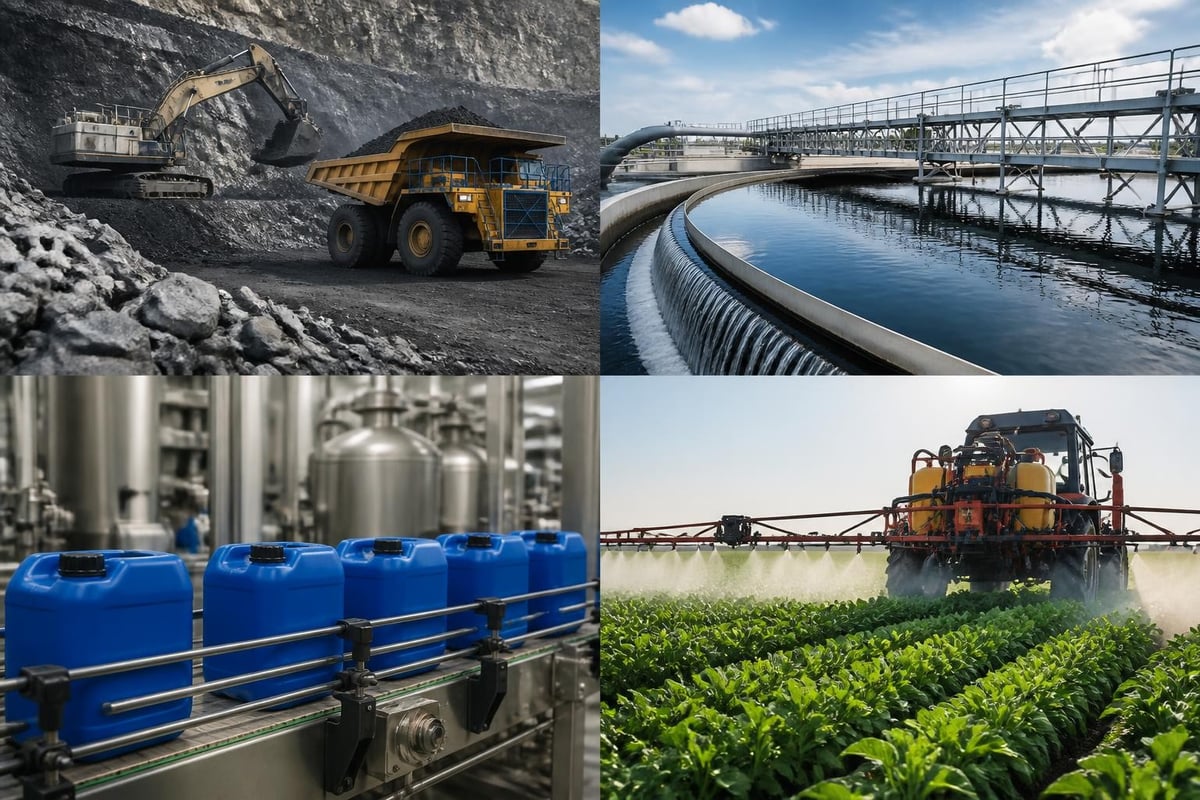
An industrial chemical distributor serves as the critical link between chemical manufacturers and end-user industries, managing complex supply chains, regulatory compliance, and technical support across multiple sectors. For manufacturers, mining operations, water treatment facilities, and agricultural businesses, selecting the right distributor directly impacts production continuity, cost management, and operational safety. As global chemical markets evolve with increasing regulatory scrutiny and supply chain complexity, understanding the role and capabilities of industrial chemical distributors becomes essential for procurement professionals seeking reliable, compliant, and cost-effective chemical sourcing solutions.
The Role of an Industrial Chemical Distributor in Modern Supply Chains
Industrial chemical distributors perform multiple functions beyond simple product delivery. They manage inventory, provide technical documentation, ensure regulatory compliance, and offer logistics solutions tailored to specific industries.
Key functions include:
- Supply chain management connecting manufacturers with end users
- Inventory holding to ensure product availability
- Regulatory compliance verification and documentation
- Technical support for product applications and safety
- Logistics coordination including hazardous material handling
- Quality assurance through proper storage and handling procedures
The distributor model allows smaller buyers to access products from major manufacturers without meeting minimum order quantities. This aggregation function reduces costs while maintaining supply reliability.

Market Positioning and Value Creation
An industrial chemical distributor creates value through specialized knowledge, established relationships, and operational infrastructure. Rather than maintaining direct relationships with dozens of manufacturers, buyers access diverse product portfolios through a single distribution partner.
The Alliance for Chemical Distribution recognizes distributors who meet rigorous safety, security, and sustainability standards through their accreditation programs. These certifications demonstrate commitment to responsible distribution practices.
Geographic coverage represents another critical value proposition. Distributors with regional presence can provide faster delivery, local inventory, and responsive customer service compared to international direct shipping.
| Distribution Model | Advantages | Typical Applications |
|---|---|---|
| Regional Distributor | Local inventory, fast delivery, technical support | Routine industrial chemicals, water treatment |
| Specialty Distributor | Deep product knowledge, technical expertise | Mining reagents, specialty chemicals |
| Full-Service Distributor | Broad portfolio, one-stop shopping | Multiple industries, diverse needs |
Selecting the Right Industrial Chemical Distributor
Choosing an industrial chemical distributor requires evaluating multiple criteria beyond pricing. Reliability, technical capability, regulatory compliance, and service quality determine long-term partnership success.
Product Range and Availability
A comprehensive product portfolio reduces the need for multiple supplier relationships. Distributors offering industrial chemicals across categories provide procurement efficiency and consolidated logistics.
Evaluate:
- Breadth of chemical categories (acids, alkalis, solvents, specialty chemicals)
- Depth within specific categories relevant to your operations
- Access to both commodity and specialty products
- Inventory levels and stock availability
- Lead times for standard versus custom orders
For businesses operating across regions, distributors with import-export capabilities facilitate cross-border supply chains and international sourcing.
Compliance and Documentation Standards
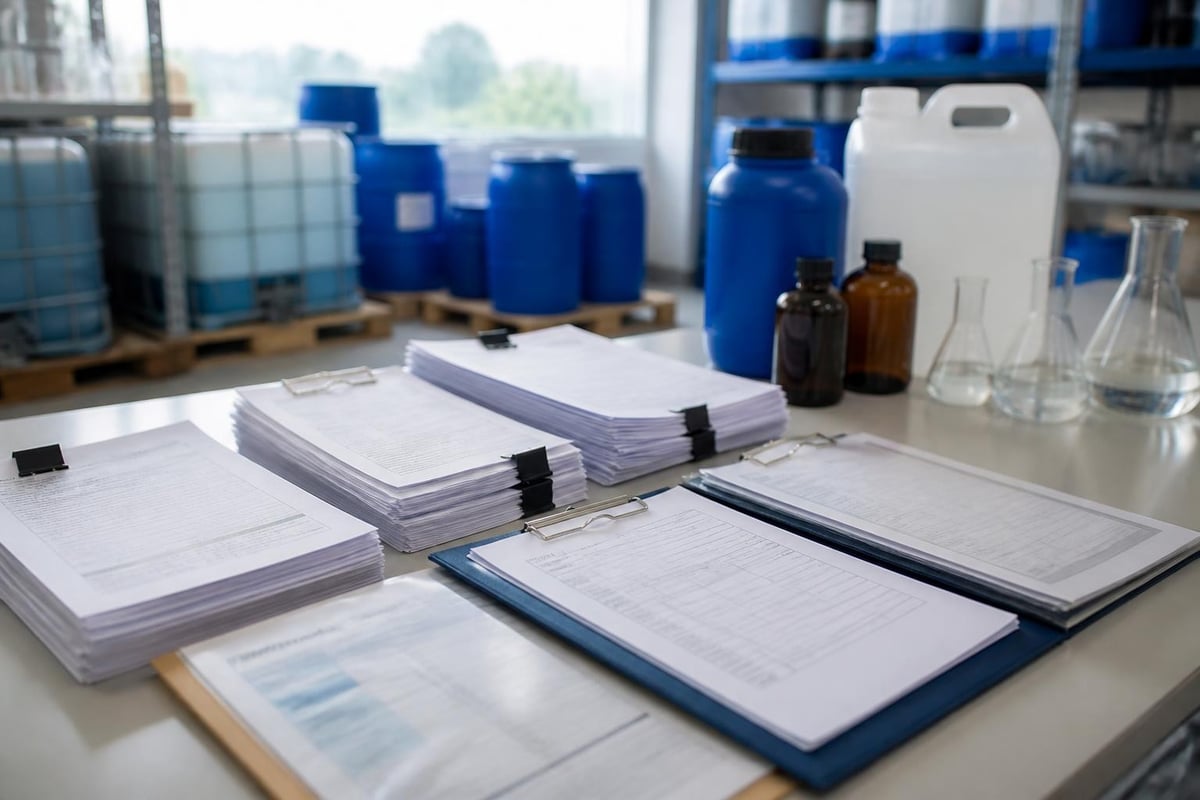
Regulatory compliance represents a non-negotiable requirement for industrial chemical distribution. The EPA’s TSCA guidance outlines requirements for chemical substances in commerce, affecting both manufacturers and distributors.
Essential documentation includes:
- Safety Data Sheets (SDS) meeting current regulatory standards
- Certificates of Analysis (CoA) confirming product specifications
- Regulatory compliance certificates for controlled substances
- Chain of custody documentation for traceable supply chains
- Transport documentation complying with hazardous materials regulations
Distributors participating in programs like Responsible Care® demonstrate commitment to safety, security, and environmental stewardship beyond minimum regulatory requirements.
Technical Support and Application Expertise
Beyond product supply, effective distributors provide technical guidance matching chemicals to specific applications. This expertise proves particularly valuable for mining chemicals where process optimization directly impacts extraction efficiency and cost.
Technical support services:
- Product selection for specific applications
- Dosage and application recommendations
- Compatibility assessments with existing processes
- Troubleshooting operational issues
- Process optimization guidance
- Alternative product suggestions during supply constraints
For complex applications such as water treatment or mineral flotation, distributor technical knowledge reduces trial-and-error costs and accelerates process optimization.
Supply Chain Reliability and Logistics Capabilities
Supply chain disruptions create production bottlenecks, particularly for operations dependent on continuous chemical supply. An industrial chemical distributor with robust logistics infrastructure mitigates these risks.
Inventory Management and Warehousing
Strategic inventory positioning reduces lead times and ensures product availability during demand fluctuations or supply disruptions. Distributors maintaining local inventory provide faster response than international direct shipments.
Warehouse considerations include:
- Proximity to customer operations
- Storage conditions (temperature control, segregation requirements)
- Inventory turnover rates and stock levels
- Emergency stock availability
- Handling procedures for hazardous materials
The EPA Risk Management Program provides guidance on preventing accidental releases from facilities storing regulated substances, establishing safety standards for chemical warehousing.
Delivery and Packaging Options
Flexible packaging and delivery options accommodate different operational scales and requirements. Businesses sourcing bulk chemical supply require different packaging than laboratory operations.
| Package Type | Volume Range | Typical Applications |
|---|---|---|
| Drums (HDPE, steel) | 25-200 liters | Manufacturing, processing |
| Intermediate Bulk Containers (IBC) | 600-1,000 liters | Regular industrial use |
| Bulk tankers | 10,000+ liters | High-volume operations, mining |
| Bags (paper, woven) | 25-50 kg | Solid chemicals, powders |
Delivery scheduling flexibility, emergency supply capabilities, and just-in-time delivery options distinguish service-oriented distributors from purely transactional suppliers.
Industry-Specific Distribution Requirements
Different industrial sectors present unique requirements for chemical distribution, demanding specialized knowledge and capabilities from distributors serving those markets.
Mining and Mineral Processing
Mining operations require consistent supply of process chemicals, flotation reagents, and extraction agents. Supply interruptions directly impact production throughput and ore recovery rates.
An industrial chemical distributor serving mining must understand:
- Flotation chemistry for different ore types
- pH control requirements throughout processing stages
- Leaching processes using acids, cyanides, or alternative reagents
- Water treatment for process water and tailings management
- Regulatory requirements for controlled mining chemicals
Specialized distributors provide application expertise beyond basic product supply, supporting process optimization and recovery improvement.
Water Treatment Applications
Water treatment facilities require reliable chemical supply for continuous operation. Whether treating municipal water, industrial process water, or wastewater, supply consistency determines treatment effectiveness.
Critical water treatment chemicals include:
- Coagulants (aluminum sulfate, ferric chloride, poly aluminum chloride)
- Flocculants (polyacrylamide, natural polymers)
- pH adjustment chemicals (caustic soda, sulfuric acid, lime)
- Disinfectants (chlorine, sodium hypochlorite, chlorine dioxide)
- Scale and corrosion inhibitors
Distributors must ensure product quality consistency, as variations affect treatment performance and compliance with water quality standards.
Manufacturing and Processing Industries
Manufacturing operations spanning food processing, pharmaceuticals, textiles, and general industrial production each present specific chemical requirements and quality standards.
Food-grade chemical suppliers must maintain additional certifications and quality controls. Pharmaceutical applications demand even stricter specifications and traceability. Understanding these nuances separates generalist distributors from those capable of serving regulated industries.
Pricing, Terms, and Commercial Considerations
Cost-effective chemical sourcing balances unit pricing with total cost of ownership, including logistics, inventory carrying costs, and supply reliability.
Pricing Structures and Volume Discounts
Industrial chemical distributors typically offer volume-based pricing tiers. Larger commitments yield lower unit costs, but require balancing inventory carrying costs against price savings.
Pricing factors include:
- Market commodity prices for base chemicals
- Volume commitments and contract duration
- Delivery frequency and logistics complexity
- Packaging requirements (bulk versus packaged)
- Payment terms and credit arrangements
- Market volatility and price adjustment mechanisms
According to Chemical Trends reports, pricing dynamics reflect raw material costs, energy prices, and regional supply-demand balances affecting distributor procurement costs.
Payment Terms and Credit Facilities
Flexible payment terms support working capital management, particularly for seasonal operations or businesses experiencing growth. Established distributors often extend credit facilities to qualified customers based on creditworthiness and purchasing history.
Standard payment terms range from net 30 to net 60 days, with discounts sometimes available for early payment. Long-term supply agreements may include customized payment structures aligned with customer cash flow patterns.
Contract Structures and Supply Agreements
Contract types include:
- Spot purchases for immediate needs without commitment
- Framework agreements establishing terms with flexible volumes
- Volume commitment contracts with guaranteed pricing
- Consignment arrangements for high-volume users
- Vendor-managed inventory programs
Each structure presents different risk-reward profiles regarding price certainty, volume flexibility, and supply security.
Quality Assurance and Product Consistency
Product quality consistency directly affects process reliability and output quality. An industrial chemical distributor must maintain quality standards throughout the supply chain.
Supplier Qualification and Auditing
Reputable distributors implement supplier qualification programs, verifying that manufacturers meet quality, safety, and regulatory standards. This due diligence protects customers from substandard or non-compliant products.
Qualification processes assess:
- Manufacturing capabilities and quality systems
- Regulatory compliance and certifications
- Product testing and quality control procedures
- Traceability and documentation systems
- Safety and environmental management practices
Regular supplier audits ensure ongoing compliance with qualification criteria and identify potential supply chain risks before they impact customers.
Certificate of Analysis and Testing
Each chemical shipment should include a Certificate of Analysis confirming compliance with specified parameters. Critical specifications vary by chemical and application but typically cover purity, concentration, contaminants, and physical properties.
For applications where product variations affect outcomes, customers may conduct receiving inspections or request third-party testing verification. Distributors supporting quality assurance programs facilitate these requirements through proper sampling, documentation, and testing coordination.
Sustainability and Responsible Distribution Practices
Environmental sustainability and social responsibility increasingly influence purchasing decisions as businesses respond to stakeholder expectations and regulatory pressures.
Environmental Management
An industrial chemical distributor committed to environmental stewardship implements practices minimizing environmental impact throughout operations.
Key initiatives include:
- Spill prevention and secondary containment systems
- Waste minimization through packaging optimization
- Energy efficiency in warehousing and transportation
- Water conservation in facilities and operations
- Emissions reduction through fleet optimization and route planning
These practices reduce environmental footprint while often generating cost savings through resource efficiency.
Safety Culture and Employee Training
Distribution safety depends on properly trained personnel handling chemicals according to established procedures. Comprehensive training programs cover product characteristics, handling requirements, emergency response, and personal protective equipment.
Distributors maintaining strong safety cultures experience fewer incidents, reducing risk to employees, customers, and communities while minimizing liability exposure.
Building Strategic Distributor Partnerships
Transactional supplier relationships focus narrowly on price and delivery, while strategic partnerships create mutual value through collaboration, transparency, and aligned objectives.
Communication and Responsiveness
Effective communication channels ensure rapid response to inquiries, order changes, and unexpected requirements. Dedicated account management provides single points of contact familiar with customer operations and requirements.
Communication expectations:
- Order confirmation and shipping notifications
- Inventory availability updates
- Price change notifications with adequate lead time
- Technical support accessibility
- Emergency contact procedures
Responsive distributors proactively communicate potential supply disruptions, offering alternatives before production impacts occur.
Continuous Improvement and Innovation
Strategic distributor partners contribute to operational improvement through product recommendations, process optimization, and alternative solutions. This collaborative approach reduces costs, improves efficiency, and enhances competitiveness.
For businesses requiring chemical sourcing expertise, distributors with strong manufacturer relationships access emerging products and technologies before widespread market availability.
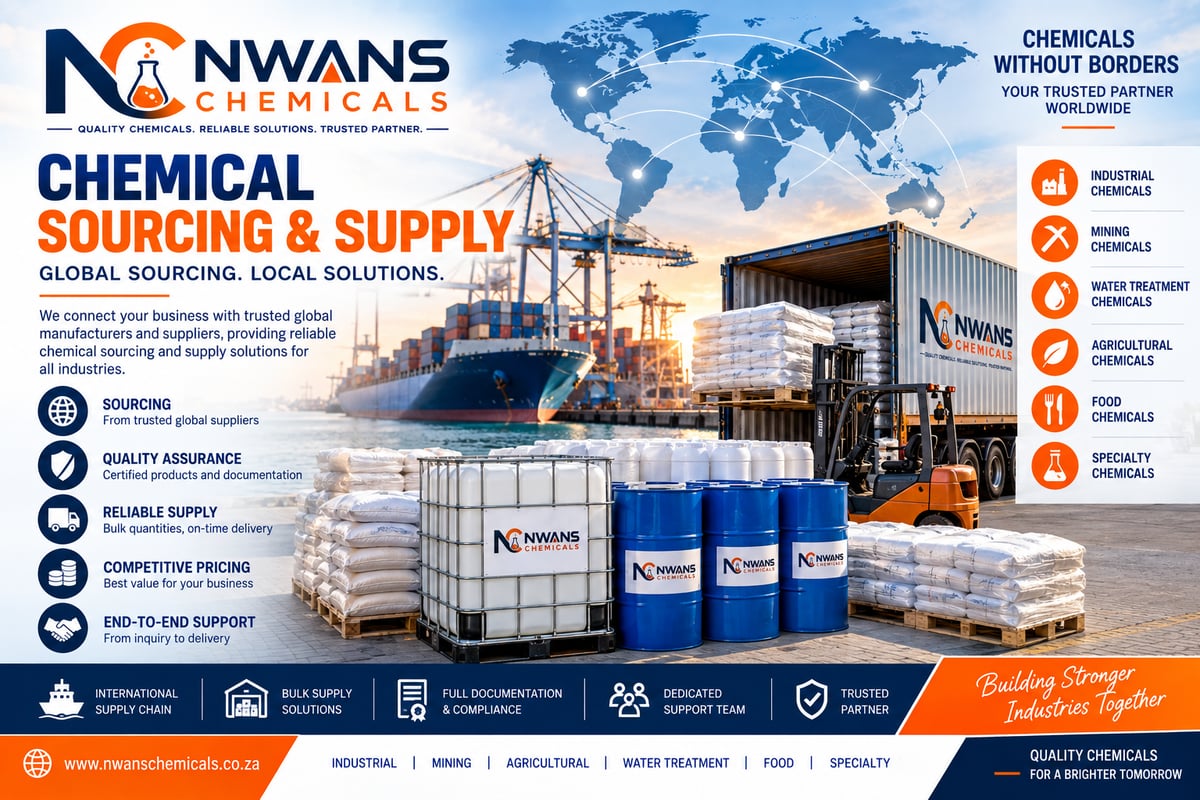
When sourcing chemicals for complex industrial applications, partnering with an experienced industrial chemical distributor provides access to established supply networks, technical expertise, and reliable logistics infrastructure. Chemical Sourcing & Supply solutions connect businesses with trusted manufacturers and suppliers, offering competitive pricing, quality documentation, and international supply capabilities tailored to specific operational requirements.
Performance Monitoring and Review
Regular performance reviews maintain service quality and identify improvement opportunities. Metrics tracked typically include on-time delivery rates, order accuracy, documentation completeness, technical support responsiveness, and pricing competitiveness.
| Performance Metric | Target Range | Review Frequency |
|---|---|---|
| On-time delivery | >95% | Monthly |
| Order accuracy | >98% | Monthly |
| Documentation complete | 100% | Monthly |
| Technical response time | <24 hours | Quarterly |
| Competitive pricing | Market-aligned | Quarterly |
Formal performance reviews facilitate constructive dialogue addressing concerns before they escalate into relationship-damaging issues.
Regional Considerations for South African and SADC Markets
Businesses operating in South Africa and broader SADC regions face specific considerations when selecting an industrial chemical distributor, including local regulatory environments, logistics infrastructure, and market dynamics.
Local Presence and Regional Coverage
Distributors with local presence provide advantages in delivery speed, technical support responsiveness, and understanding of regional regulatory requirements. For operations spanning multiple SADC countries, distributors offering regional coverage simplify cross-border procurement.
South African businesses benefit from distributors maintaining local inventory, reducing dependence on international supply chains subject to shipping delays, customs clearance, and currency fluctuations.
Regulatory Environment and Compliance
Chemical regulations vary across SADC countries, requiring distributors to navigate multiple compliance frameworks. Experienced regional distributors manage these complexities, ensuring products meet destination country requirements.
Documentation requirements, import permits, and customs procedures differ by country and chemical classification. Distributors with established processes streamline cross-border movements while maintaining regulatory compliance.
Infrastructure and Logistics Challenges
Infrastructure quality affects chemical distribution reliability across the region. Road conditions, port capacity, and warehousing availability vary significantly between and within countries.
Distributors with regional experience anticipate and mitigate these challenges through strategic inventory positioning, route optimization, and contingency planning. This operational knowledge reduces supply disruptions and maintains service reliability despite infrastructure constraints.
Future Trends Shaping Industrial Chemical Distribution
The chemical distribution sector continues evolving in response to technological advancement, regulatory change, and market dynamics affecting how distributors create value for customers.
Digital Transformation and E-Commerce
Digital platforms streamline ordering, inventory visibility, and documentation access. While chemical distribution traditionally relied on personal relationships and phone-based ordering, online portals now provide 24/7 access to product information, pricing, and order status.
Digital capabilities include:
- Online product catalogs with technical specifications
- Real-time inventory availability
- Electronic ordering and order tracking
- Digital document delivery (SDS, CoA, invoices)
- Usage reporting and spend analytics
These tools improve operational efficiency while maintaining the personal service and technical support characterizing effective distribution relationships.
Supply Chain Visibility and Traceability
Enhanced traceability requirements driven by regulations and quality management systems demand greater supply chain transparency. Distributors implementing advanced tracking systems provide customers with complete product history from manufacturer through delivery.
Blockchain and similar technologies emerge as potential solutions for immutable record-keeping, though widespread adoption remains limited in 2026.
Sustainability and Circular Economy
Growing emphasis on sustainability drives demand for environmentally preferable chemicals, packaging reduction, and circular economy approaches. Distributors supporting these objectives through product portfolio curation and reverse logistics capabilities align with customer sustainability goals.
Chemical recycling, solvent recovery, and packaging return programs represent emerging services from forward-thinking distributors responding to circular economy principles.
Selecting and partnering with the right industrial chemical distributor fundamentally impacts operational efficiency, cost management, and regulatory compliance across industries. By evaluating distributor capabilities across product range, technical expertise, logistics infrastructure, compliance standards, and service quality, businesses establish supply relationships supporting long-term operational success. Nwans Chemicals provides reliable chemical distribution across South Africa and international markets, offering comprehensive product portfolios, technical support, competitive pricing, and dependable delivery for mining, manufacturing, water treatment, and agricultural operations requiring trusted chemical supply partnerships.
Leave A Comment