
Caustic soda flakes, chemically known as sodium hydroxide (NaOH), represent one of the most versatile and widely used industrial chemicals in modern manufacturing and processing operations. This powerful alkaline compound plays a critical role across dozens of industries, from mining and mineral processing to water treatment, chemical manufacturing, and food production. Understanding the diverse caustic soda flakes uses helps procurement managers, chemical buyers, and industrial operators make informed decisions about sourcing, handling, and implementing this essential chemical in their operations.
Core Industrial Applications of Caustic Soda Flakes
The widespread adoption of caustic soda flakes across industrial sectors stems from their exceptional chemical properties. As a strong base with a pH of approximately 14 in solution, sodium hydroxide serves multiple functions that make it indispensable in manufacturing and processing environments.
Mining and Mineral Processing
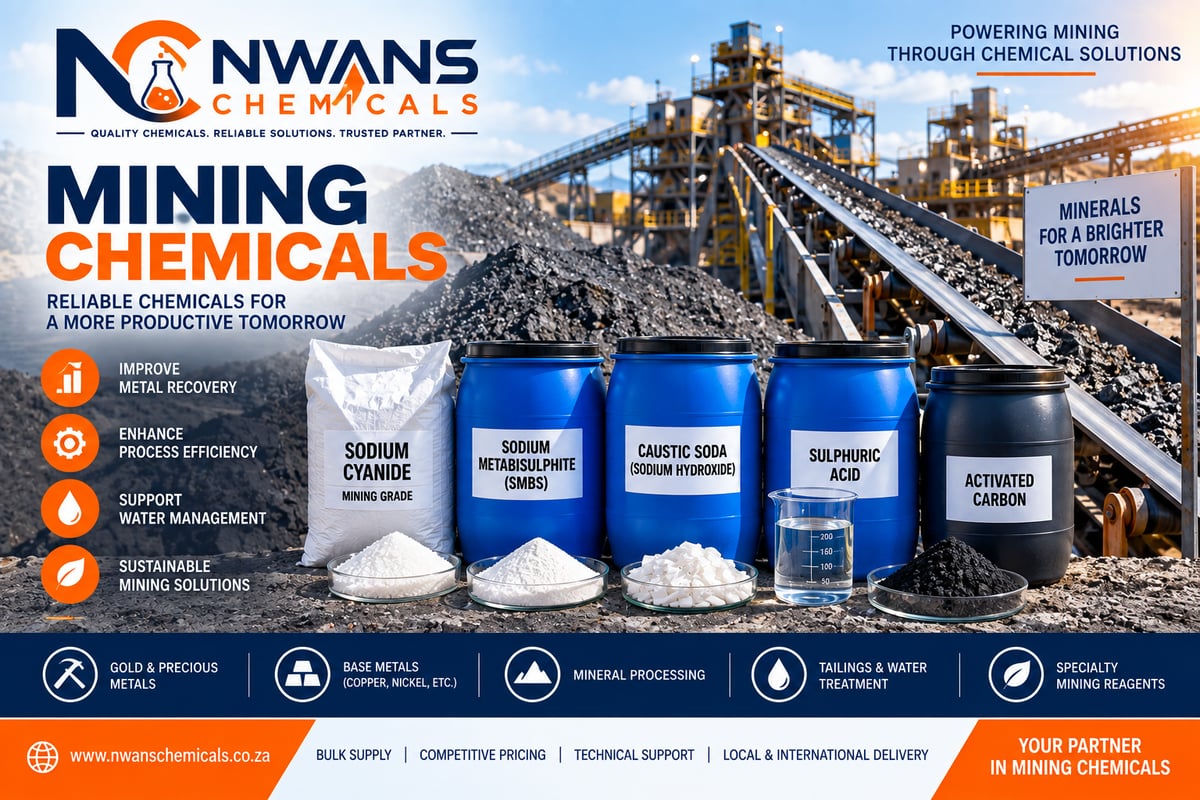
Mining operations represent one of the largest consumers of caustic soda flakes globally. In mineral processing, caustic soda flakes uses include pH adjustment in flotation circuits, ore leaching processes, and tailings treatment. Gold mining operations particularly rely on sodium hydroxide to control pH levels during cyanide leaching, ensuring optimal gold recovery rates.
The chemical facilitates the extraction of valuable minerals by creating the alkaline conditions necessary for efficient flotation and separation processes. Mining companies processing copper, lead, zinc, and other base metals incorporate caustic soda into their beneficiation circuits to enhance recovery rates and process efficiency.

Key mining applications include:
- pH control in flotation circuits for optimal mineral recovery
- Ore leaching processes for gold and aluminum extraction
- Neutralization of acidic mine water and tailings
- Bauxite digestion in alumina production (Bayer process)
- Precipitation and metal recovery operations
Mining chemicals suppliers provide caustic soda in various forms to meet the specific requirements of different mineral processing operations, with bulk delivery options ensuring consistent supply for large-scale mining operations.
Water Treatment and pH Adjustment
Municipal water treatment facilities and industrial water processing operations depend heavily on caustic soda flakes for pH adjustment and alkalinity control. According to the EPA’s overview of drinking water treatment technologies, sodium hydroxide plays a vital role in optimizing water chemistry for safe consumption and distribution.
In water treatment applications, caustic soda flakes uses extend to corrosion control in distribution systems, neutralization of acidic water sources, and pH optimization for effective coagulation and flocculation processes. The chemical helps prevent pipe corrosion by maintaining proper alkalinity levels, protecting infrastructure investments worth millions of dollars.
| Water Treatment Application | Function | Typical Dosage Range |
|---|---|---|
| pH Adjustment | Raise pH of acidic water | 10-100 mg/L |
| Alkalinity Control | Maintain stable pH | 5-50 mg/L |
| Corrosion Control | Protect distribution systems | 15-40 mg/L |
| Coagulation Optimization | Enhance particle removal | Variable |
Industrial wastewater treatment facilities use caustic soda to neutralize acidic effluents before discharge, ensuring compliance with environmental regulations. The versatility of caustic soda flakes makes them preferable to liquid caustic for facilities with limited storage capacity or those requiring precise dosing control.
Manufacturing and Chemical Production Uses
Chemical manufacturing represents another major sector where caustic soda flakes uses demonstrate significant commercial importance. The Chlorine Institute identifies sodium hydroxide as a fundamental building block for countless chemical synthesis processes and industrial manufacturing operations.
Chemical Synthesis and Production
Caustic soda serves as a critical raw material in producing numerous industrial chemicals, plastics, and synthetic materials. Manufacturers utilize sodium hydroxide in producing organic chemicals, pharmaceuticals, synthetic fibers, epoxy resins, and various plastic formulations.
The chemical industry relies on caustic soda for:
- Production of sodium salts and inorganic chemicals
- Neutralization reactions in pharmaceutical manufacturing
- Synthesis of epoxy resins and polymer production
- Manufacturing of rayon and cellulose-based fibers
- Production of sodium hypochlorite and bleaching agents
Soap, Detergent, and Cleaning Product Manufacturing
The soap and detergent industry has utilized caustic soda flakes for centuries in saponification processes. Modern detergent manufacturing continues this tradition, with sodium hydroxide serving as an essential ingredient in producing both consumer and industrial cleaning products.
Caustic soda flakes uses in this sector include:
- Saponification of fats and oils to produce soap
- pH adjustment in liquid detergent formulations
- Manufacturing of industrial degreasers and cleaners
- Production of specialty cleaning chemicals
- Formulation of drain cleaners and maintenance products
Pulp, Paper, and Textile Industry Applications
The pulp and paper industry ranks among the top consumers of caustic soda globally, with the EPA’s sodium hydroxide supply chain profile documenting this sector's substantial chemical requirements for 2026 operations.

Pulp and Paper Production
Kraft pulping processes use caustic soda to break down lignin in wood chips, separating cellulose fibers for paper production. The chemical's ability to dissolve lignin while preserving cellulose fiber strength makes it irreplaceable in modern papermaking.
Pulp and paper applications:
- Chemical pulping (Kraft process) for wood delignification
- Bleaching and brightening of pulp
- Deinking of recycled paper stock
- pH control in paper machine operations
- Treatment of process water and effluent
Textile Processing and Mercerization
Textile manufacturers employ caustic soda flakes in mercerization processes that improve cotton fabric properties. This treatment enhances fabric luster, strength, dye absorption, and dimensional stability, creating premium textile products.
The mercerization process involves treating cotton fibers with concentrated sodium hydroxide solution, causing permanent changes to the fiber structure that result in improved performance characteristics valued by garment manufacturers and consumers alike.
Food Processing and Beverage Industry Uses
Food-grade caustic soda flakes serve essential functions in food processing, though this application requires strict adherence to purity standards and regulatory requirements. The food industry's caustic soda flakes uses focus primarily on cleaning, sanitation, and specific food processing applications.
Food Processing Applications
Food manufacturers utilize caustic soda for peeling vegetables and fruits, particularly potatoes, tomatoes, and stone fruits. The chemical efficiently removes skins through controlled alkali treatment, improving processing efficiency and product quality.
- Peeling of fruits and vegetables in commercial operations
- pH adjustment in food processing applications
- Treatment of cocoa and chocolate products
- Processing of olives and other preserved foods
- Hominy and nixtamalization of corn products
Sanitation and CIP Systems
Clean-in-place (CIP) systems in food and beverage facilities rely heavily on caustic-based cleaning solutions. Caustic soda effectively removes organic residues, fats, oils, and protein deposits from processing equipment, ensuring food safety and regulatory compliance.
The beverage industry, particularly breweries and soft drink manufacturers, incorporates caustic cleaning cycles to maintain equipment hygiene between production runs, preventing contamination and preserving product quality.
Petroleum Refining and Petrochemical Applications
Petroleum refineries and petrochemical facilities represent significant industrial consumers of caustic soda flakes. These operations utilize sodium hydroxide for treating petroleum products, neutralizing acidic compounds, and producing specialty chemicals.
Refinery Operations
Caustic soda flakes uses in petroleum refining include:
- Neutralization of sulfuric acid catalyst in alkylation units
- Removal of mercaptans and hydrogen sulfide from hydrocarbon streams
- Treatment of sour water and refinery wastewater
- pH control in desalting operations
- Production of petroleum sulfonates and specialty products
The refining industry's specific requirements for caustic soda quality and purity demand reliable suppliers capable of providing consistent product specifications and comprehensive technical support.
Additional Industrial and Specialty Applications
Beyond the major industrial sectors, numerous specialized applications demonstrate the versatility of caustic soda flakes across diverse manufacturing and processing operations.
Metal Processing and Surface Treatment
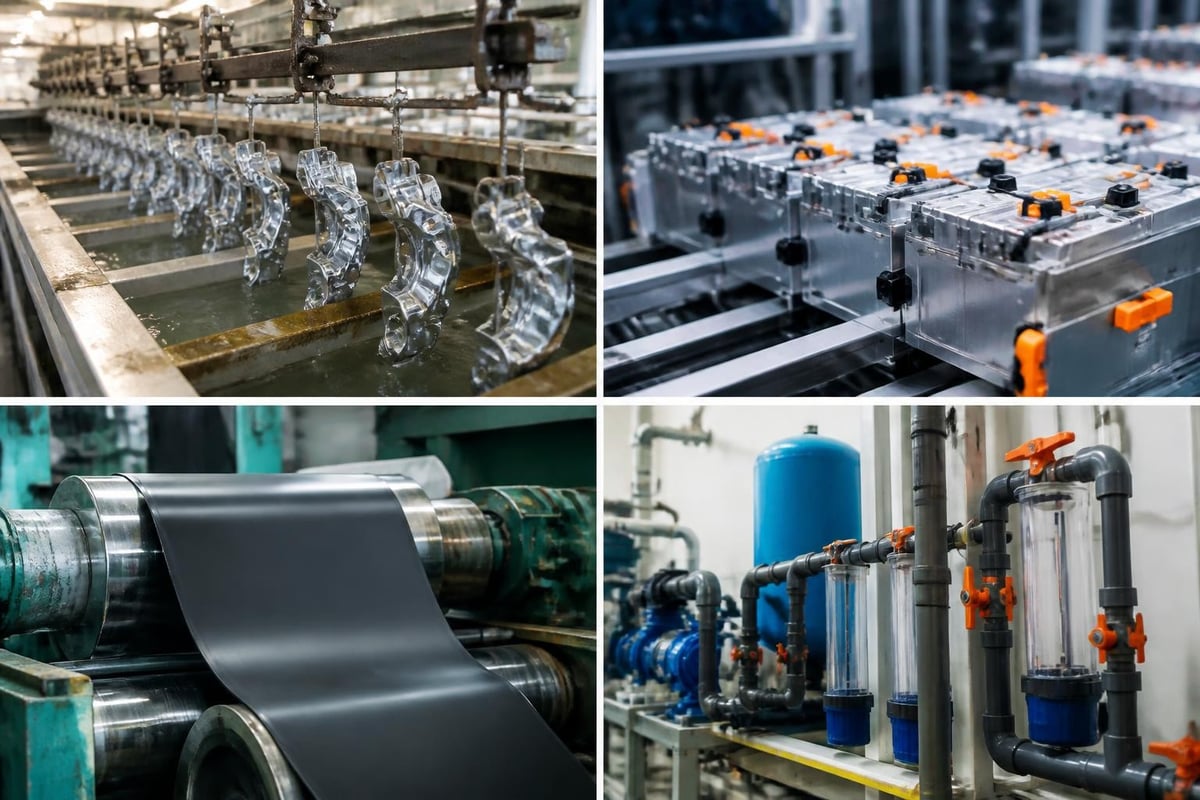
Metal fabrication and finishing operations use caustic soda for:
- Aluminum etching and surface preparation
- Degreasing and cleaning of metal parts
- Electroplating bath preparation
- Paint and coating removal
- Oxide scale removal from steel
Battery Manufacturing
The battery industry incorporates caustic soda in producing alkaline batteries and certain industrial battery types, where sodium hydroxide serves as an electrolyte component or processing aid.
Rubber and Plastics Processing
Rubber manufacturers utilize caustic soda in various production stages, including:
- Reclamation of scrap rubber
- Treatment of latex and rubber compounds
- pH adjustment in synthetic rubber production
- Processing aids in polymer manufacturing
| Industry Sector | Primary Applications | Annual Consumption Pattern |
|---|---|---|
| Mining & Minerals | pH control, ore processing | Continuous high volume |
| Water Treatment | pH adjustment, corrosion control | Steady year-round |
| Pulp & Paper | Chemical pulping, bleaching | Very high continuous |
| Chemical Manufacturing | Synthesis, neutralization | High variable |
| Textiles | Mercerization, processing | Moderate seasonal |
| Food Processing | Peeling, cleaning, CIP | Moderate year-round |
| Petroleum Refining | Treating, neutralization | High continuous |
Procurement Considerations for Industrial Buyers
When sourcing caustic soda flakes for industrial applications, procurement managers must evaluate several critical factors to ensure reliable supply and operational efficiency.
Product Quality and Specifications
Industrial caustic soda flakes typically contain 98-99% sodium hydroxide, with the remaining content consisting of trace sodium carbonate and moisture. Applications requiring higher purity levels, such as food processing or pharmaceutical manufacturing, demand food-grade or technical-grade specifications with detailed certificates of analysis.
Packaging and Handling Options
Caustic soda flakes are commonly supplied in:
- 25 kg multi-wall paper bags with polyethylene liners
- 500 kg to 1,000 kg jumbo bags (FIBCs)
- Bulk truck delivery for large-volume consumers
- Export containers for international shipments
Proper packaging prevents moisture absorption, which causes caustic soda flakes to deliquesce and form clumps, reducing product quality and handling efficiency.
Safety and Regulatory Compliance
The UK Health Security Agency guidance on sodium hydroxide emphasizes proper handling, storage, and incident management procedures. Industrial facilities must implement appropriate safety protocols, including:
- Personal protective equipment requirements
- Proper storage in dry, well-ventilated areas
- Spill response procedures and emergency equipment
- Employee training on chemical hazards
- Compliance with local and international regulations
The ATSDR public health statement for sodium hydroxide provides comprehensive information on health effects and exposure management, which safety managers should review when establishing workplace protocols.
Supply Chain and Logistics
Reliable chemical supply requires establishing relationships with distributors capable of providing consistent product quality, competitive pricing, and dependable delivery schedules. Industrial chemicals distributors serving the South African and broader African markets must demonstrate capabilities in bulk supply, quality documentation, and responsive customer service.
Geographic considerations affect logistics planning, particularly for remote mining operations or facilities in regions with limited infrastructure. Evaluating supplier networks, delivery capabilities, and contingency planning helps ensure uninterrupted operations.
Environmental and Sustainability Considerations
Modern industrial operations increasingly prioritize environmental responsibility and sustainable chemical use. The World Health Organization’s compendium of UN guidance provides international perspectives on managing hazardous industrial chemicals safely and sustainably.
Waste Minimization and Recycling
Implementing efficient dosing systems reduces caustic soda consumption and minimizes waste generation. Automated pH control systems optimize chemical usage while maintaining process performance, delivering both economic and environmental benefits.
Some industries have developed caustic recovery systems that reclaim and reuse sodium hydroxide from process streams, reducing raw material costs and environmental impact. These closed-loop systems demonstrate leadership in sustainable chemical management.
Neutralization and Disposal
Spent caustic solutions require proper neutralization before discharge or disposal. Industrial facilities must implement appropriate treatment systems to comply with environmental regulations and protect water resources.
Neutralization typically involves controlled addition of acidic materials to bring pH into acceptable discharge ranges. Facilities generating large volumes of spent caustic may implement dedicated treatment systems to manage waste streams effectively.
Technical Performance Optimization
Maximizing the value of caustic soda flakes in industrial applications requires understanding technical performance factors and optimization strategies.
Dissolution and Application Methods
Caustic soda flakes dissolve exothermically in water, releasing significant heat. Proper dissolution procedures involve adding flakes slowly to water (never adding water to flakes) while stirring continuously to prevent localized overheating and ensure complete dissolution.
The dissolution process requires careful attention to safety protocols, as the heat generated can cause water to boil and splash concentrated alkali. Using appropriate equipment and following established procedures protects personnel and ensures consistent solution preparation.
Concentration and Dosing Control
Different applications require varying caustic soda concentrations. Mining operations might use 10-30% solutions for pH control, while pulp processing employs higher concentrations for effective delignification. Accurate dosing systems maintain process control and optimize chemical consumption.
Automated systems incorporating pH sensors, flow meters, and control valves provide precise chemical delivery while reducing labor requirements and improving process consistency. These investments typically deliver rapid returns through reduced chemical costs and improved operational efficiency.
Storage and Shelf Life Management
Properly stored caustic soda flakes maintain quality indefinitely, though practical considerations suggest rotating inventory to ensure optimal handling characteristics. Moisture exposure represents the primary quality concern, as absorbed water causes caking and reduces effective NaOH content.
Storage facilities should maintain:
- Dry conditions with relative humidity below 60%
- Adequate ventilation to prevent moisture accumulation
- Temperature control to avoid extreme conditions
- Segregation from incompatible materials
- Regular inspection protocols
Understanding the extensive caustic soda flakes uses across industrial sectors enables businesses to leverage this versatile chemical effectively while maintaining safety and operational excellence. From mining and water treatment to manufacturing and food processing, sodium hydroxide continues serving as an essential industrial chemical in 2026. Nwans Chemicals provides reliable caustic soda supply with competitive pricing, bulk availability, comprehensive technical support, and dependable delivery across South Africa and international markets, helping industrial operations maintain consistent chemical supply for critical processes.
Leave A Comment