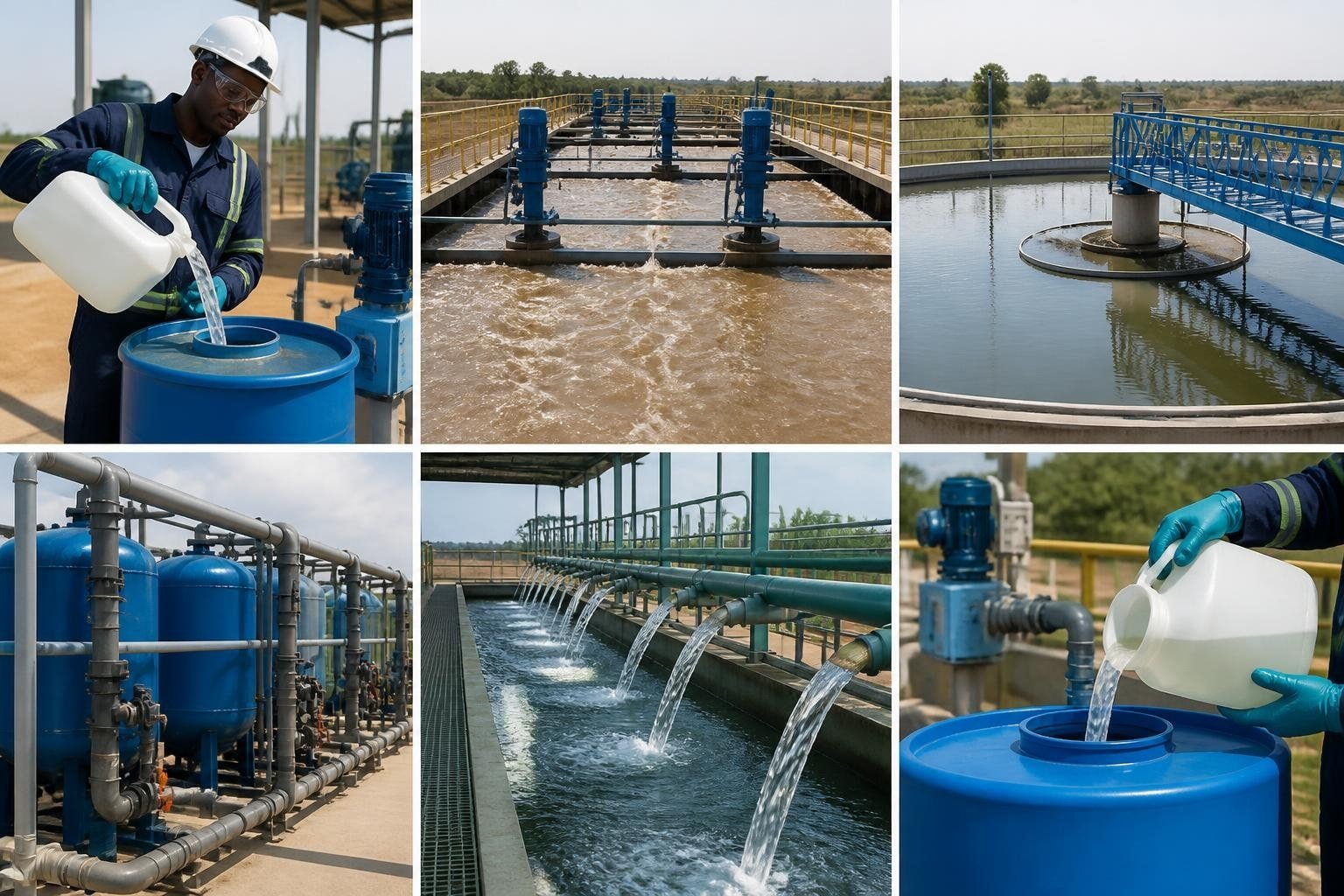
Access to clean, safe water remains a fundamental challenge for industrial operations, municipalities, and mining facilities across South Africa and the broader African continent. The selection and application of the right chemical for water purification directly impacts treatment efficiency, operational costs, regulatory compliance, and public health outcomes. Understanding the available chemical options, their mechanisms of action, application considerations, and procurement requirements enables facility managers and procurement teams to make informed decisions that balance performance, safety, and cost-effectiveness.
Primary Categories of Water Purification Chemicals
Water treatment processes rely on several distinct chemical categories, each addressing specific contamination challenges. The chemical for water purification you select depends on source water quality, target contaminants, treatment objectives, regulatory requirements, and downstream use.
Coagulants and Flocculants
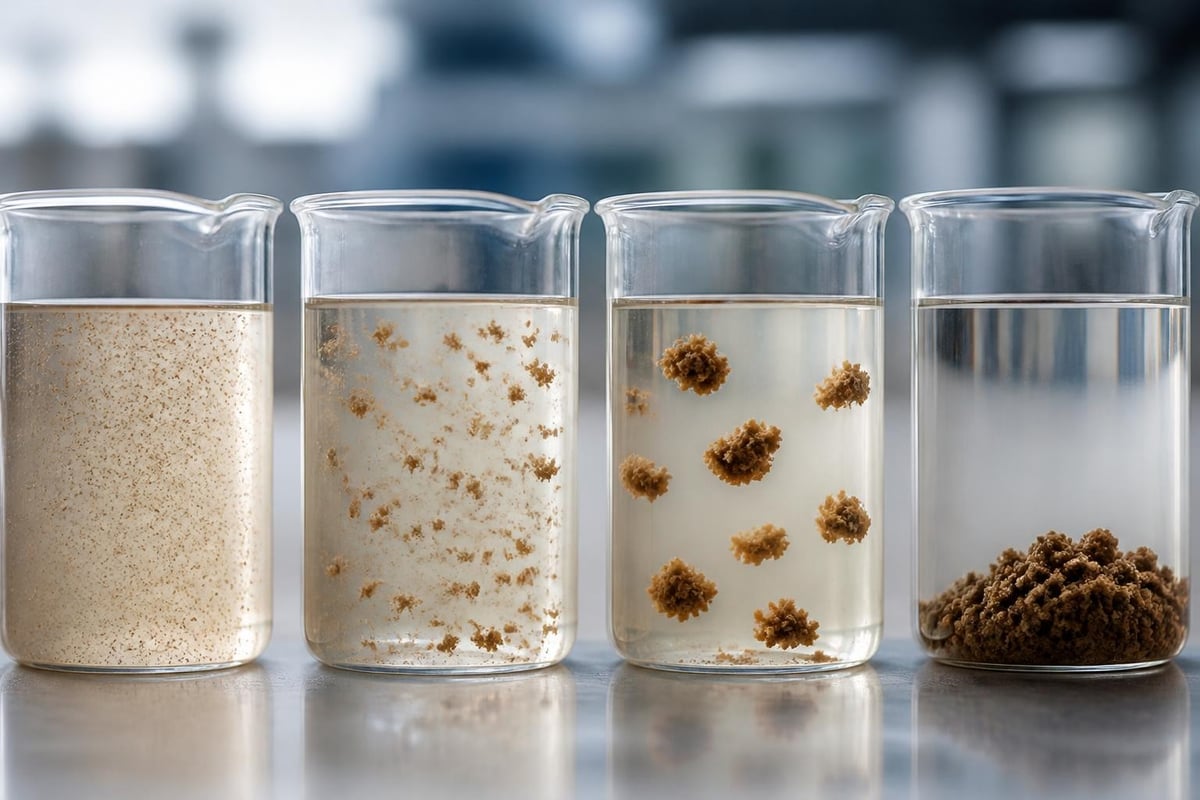
Coagulants destabilize suspended particles, colloids, and dissolved organic matter, enabling their aggregation and removal. Aluminium sulfate (alum), ferric chloride, ferric sulfate, and Poly Aluminium Chloride (PAC) represent the most widely deployed inorganic coagulants in municipal and industrial water treatment.
- Aluminium sulfate effectively removes turbidity, color, and organic matter at pH ranges between 5.5 and 7.5
- Ferric-based coagulants perform across broader pH ranges and handle cold water conditions more effectively
- PAC offers superior performance at lower dosages, reduced sludge generation, and improved efficiency in challenging water conditions
- Organic polymers serve as primary coagulants or coagulant aids, reducing metal-based chemical consumption
According to research on coagulation fundamentals and mechanisms, the selection of coagulant type and dosage requires careful consideration of source water characteristics, target effluent quality, sludge handling capacity, and operational costs.
The coagulation process produces microflocs that require gentle agitation and polymer addition to form larger, settleable flocs. This flocculation stage improves sedimentation efficiency and clarification performance before filtration.
| Coagulant Type | pH Range | Application | Key Benefits |
|---|---|---|---|
| Aluminium Sulfate | 5.5-7.5 | Municipal, industrial | Cost-effective, proven performance |
| Ferric Chloride | 4.0-11.0 | Municipal, wastewater | Broad pH range, cold water |
| PAC | 6.0-9.0 | Drinking water, process water | Lower dosage, less sludge |
| Ferric Sulfate | 4.0-10.0 | Industrial, mining | Heavy metal removal |
Disinfectants and Oxidants
Disinfection represents a critical barrier against waterborne pathogens including bacteria, viruses, and protozoa. The chemical for water purification in this category must achieve microbial inactivation while minimizing disinfection byproduct formation and maintaining residual protection in distribution systems.
Chlorine-based disinfectants dominate municipal water treatment due to their effectiveness, affordability, and residual protection capabilities. Chlorine gas, sodium hypochlorite, and calcium hypochlorite each offer distinct advantages in handling, storage, safety, and application.
Calcium hypochlorite provides stable, solid-form chlorine suitable for facilities requiring simplified storage and handling compared to chlorine gas. The WHO drinking water quality guidelines provide comprehensive guidance on chlorine dosing, contact time, and residual maintenance for effective disinfection.
Chloramines (formed by combining chlorine with ammonia) offer extended residual stability in distribution systems, reduced disinfection byproduct formation, and improved taste and odor control. However, chloramination requires careful monitoring of chlorine-to-ammonia ratios and residual levels.
Alternative oxidants and disinfectants include:
- Ozone: Powerful oxidant for taste, odor, and micropollutant removal; no chemical residual
- Chlorine dioxide: Effective against biofilms and protozoa; minimal disinfection byproducts
- UV irradiation: Physical disinfection without chemical addition; no residual protection
- Advanced oxidation processes (AOPs): Combining oxidants (ozone, hydrogen peroxide, UV) for challenging contaminants
Research on Advanced Oxidation Processes for drinking water treatment demonstrates their growing application for emerging contaminants, pharmaceutical residues, and persistent organic pollutants that resist conventional treatment.
pH Adjustment Chemicals
Water pH significantly influences coagulation efficiency, disinfection effectiveness, corrosion control, and regulatory compliance. Acidic water requires pH elevation using alkaline chemicals, while alkaline water may require pH reduction.
Caustic soda (sodium hydroxide) serves as the primary alkali for pH adjustment in industrial and municipal applications. Available in flake, pearl, and liquid forms, caustic soda offers precise pH control, ease of handling, and compatibility with most treatment processes.
Lime (calcium hydroxide and calcium oxide) provides cost-effective pH adjustment for large-scale operations, with the additional benefit of contributing to water hardness and alkalinity. Hydrated lime dissolves more readily than quicklime but requires careful slaking and preparation.
For pH reduction, sulfuric acid and hydrochloric acid represent the standard options, with selection based on compatibility with downstream processes, byproduct considerations, and operational safety requirements.
Specialty Water Treatment Chemicals
Beyond the primary treatment categories, specialized chemicals address specific water quality challenges encountered in industrial, mining, and process water applications.
Scale and Corrosion Inhibitors
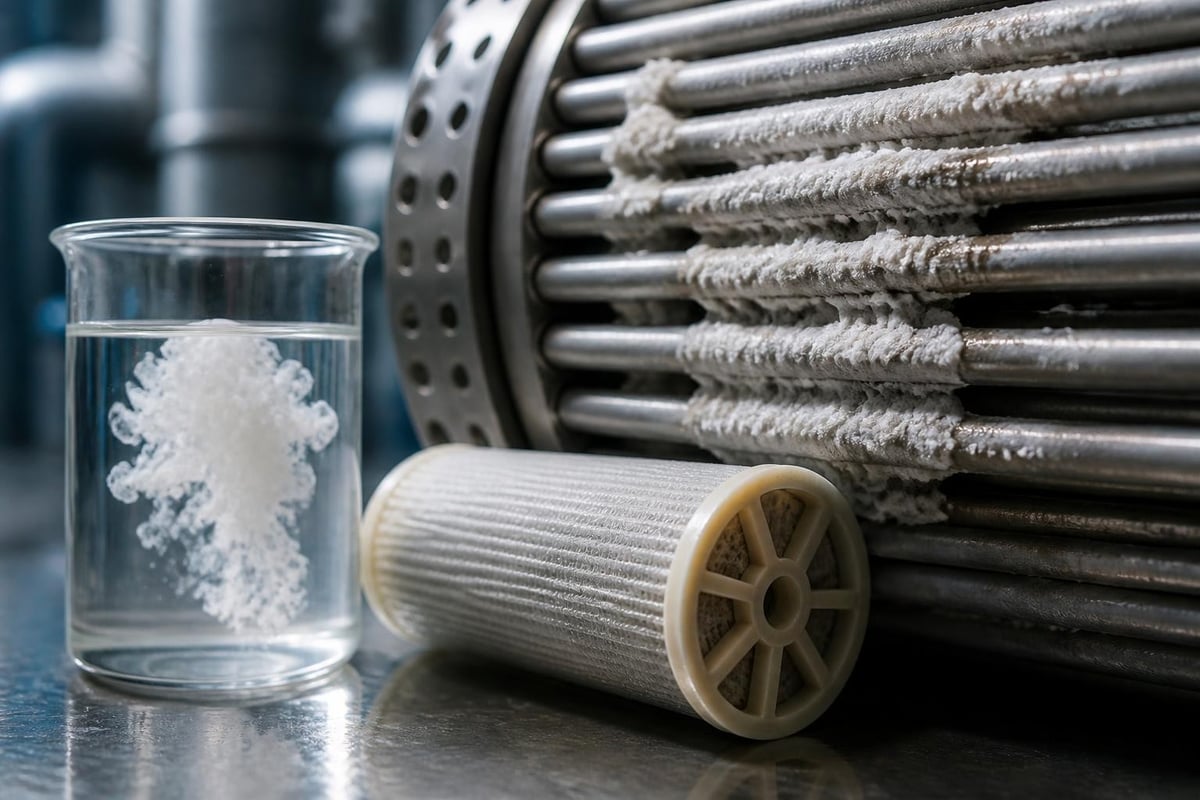
Scale inhibitors prevent mineral precipitation (calcium carbonate, calcium sulfate, barium sulfate, silica) in heat exchangers, membranes, cooling systems, and distribution infrastructure. Phosphonate-based, polymer-based, and combination formulations provide protection across different water chemistries and operating conditions.
Corrosion inhibitors protect metal surfaces from oxidation, pitting, and degradation. Orthophosphates, polyphosphates, zinc compounds, and organic filming inhibitors form protective barriers on pipe walls, extending infrastructure life and reducing metal leaching into treated water.
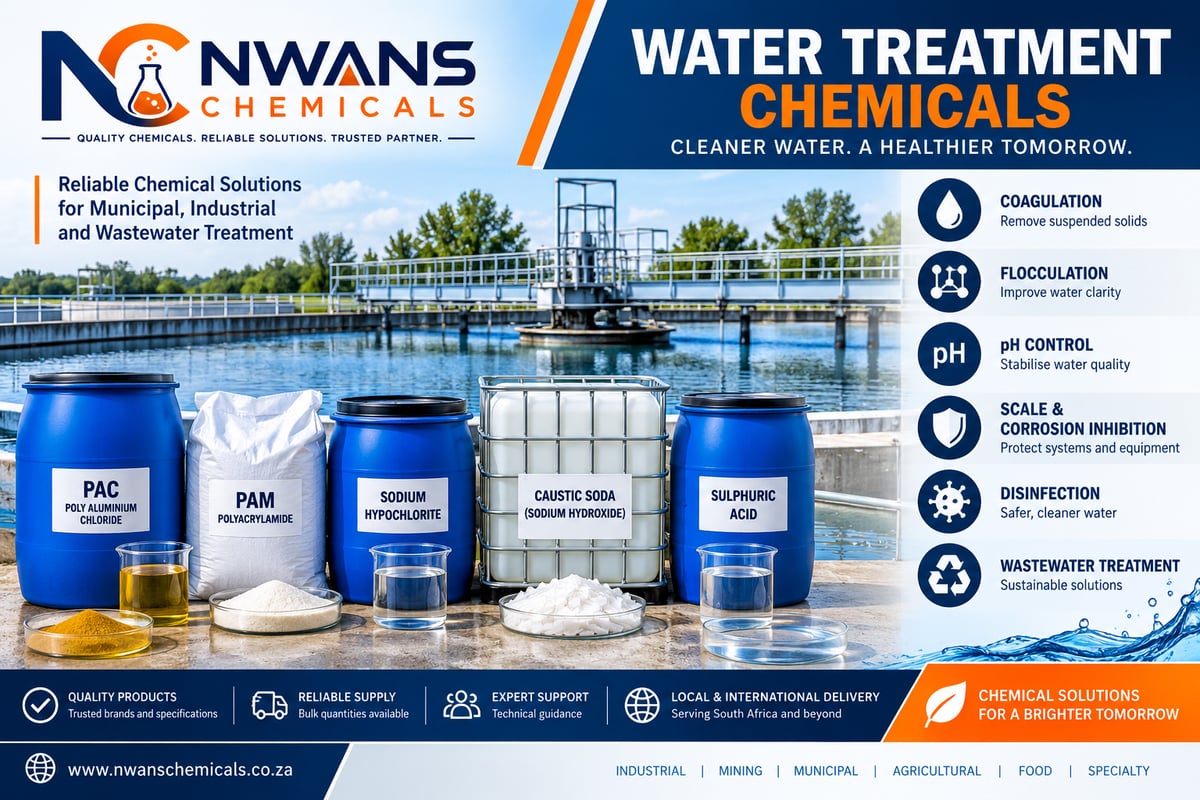
Industrial facilities and mining operations often require customized inhibitor programs addressing their specific water chemistry, metallurgy, and operational parameters. Nwans Chemicals provides tailored chemical solutions for customers across diverse industrial applications throughout South Africa and neighboring markets.
Activated Carbon and Adsorbents
Activated carbon removes taste, odor, color, organic compounds, chlorine, and emerging contaminants through adsorption. Available in powdered (PAC) and granular (GAC) forms, activated carbon selection depends on application type, contact time requirements, and regeneration capabilities.
Powdered activated carbon integrates easily into existing treatment processes, providing flexible dosing for seasonal taste and odor control. Granular activated carbon operates in fixed-bed contactors, offering higher capacity and regeneration potential for continuous operations.
A comprehensive review of activated carbon and biomass-derived carbons for water treatment explores current developments in carbon preparation, surface modification, and application optimization for emerging contaminants.
Alternative adsorbents including ion exchange resins, zeolites, and specialty media target specific contaminants such as heavy metals, nitrates, fluoride, and dissolved organics that resist conventional treatment.
Water Treatment Chemical Selection Criteria
Selecting the optimal chemical for water purification requires systematic evaluation of technical performance, regulatory compliance, operational factors, and commercial considerations.
Water Quality Characterization
Source water analysis forms the foundation for treatment chemical selection. Key parameters include:
- Physical parameters: Turbidity, color, temperature, conductivity
- Chemical parameters: pH, alkalinity, hardness, dissolved solids, specific contaminants
- Microbiological parameters: Total coliforms, E. coli, heterotrophic plate counts
- Organic parameters: Total organic carbon, dissolved organic carbon, specific compounds
- Metals and minerals: Iron, manganese, arsenic, fluoride, heavy metals
Comprehensive water characterization enables accurate chemical selection, dosage optimization, and treatment process design. Seasonal variations, source changes, and upstream contamination events require adaptive treatment strategies and chemical inventory management.
Regulatory and Quality Standards
Treated water must comply with national drinking water standards, industrial discharge permits, or process water specifications. In South Africa, SANS 241 establishes drinking water quality requirements, while industrial facilities follow sector-specific regulations and environmental permits.
Chemical quality and certification directly impact treated water quality and regulatory compliance. Food-grade, NSF-certified, and EN-compliant chemicals ensure suitability for drinking water applications. Industrial and mining applications may accept technical-grade products where appropriate.
Supplier documentation should include:
- Material Safety Data Sheets (MSDS/SDS)
- Certificates of Analysis (CoA)
- Product specifications and compliance declarations
- Handling, storage, and application guidelines
Chemical sourcing from reputable suppliers with established quality systems reduces compliance risks and ensures consistent treatment performance.
Operational and Safety Considerations
Chemical handling, storage, dosing, and safety requirements significantly influence total cost of ownership and operational feasibility. Liquid formulations typically offer easier handling and automated dosing but may require larger storage volumes. Solid formulations provide concentrated product in smaller footprints but require dissolution systems and additional handling precautions.
Safety infrastructure requirements vary by chemical hazard classification. Caustic soda, acids, and chlorine-based products require appropriate containment, ventilation, personal protective equipment, emergency response capabilities, and operator training.
The US EPA water treatment chemical supply chain profiles provide valuable insights into handling, storage, and supply considerations for key treatment chemicals.
Application Methods and Dosing Strategies
Effective application of any chemical for water purification depends on proper dosing equipment, injection point placement, mixing energy, and contact time. Automated dosing systems provide consistent chemical application, reduce labor requirements, and improve process control compared to manual batch dosing.
Coagulant and Flocculant Dosing
Coagulant dosing occurs at the rapid mix stage, where intense agitation (typically 3-5 minutes at high G-values) ensures thorough distribution and particle destabilization. Underdosing results in incomplete treatment, while overdosing increases chemical costs, sludge production, and residual metal concentrations.
Jar testing remains the standard method for coagulant selection and dosage optimization. This bench-scale procedure simulates full-scale treatment conditions, enabling systematic evaluation of coagulant type, dosage, pH, and polymer addition.
Flocculant polymers require gentle, prolonged mixing (20-30 minutes at low G-values) to promote floc growth without shearing. Polymer overdosing can reverse charge and restabilize particles, degrading treatment performance despite higher chemical consumption.
Disinfectant Application
Chlorine disinfection effectiveness depends on CT value (disinfectant concentration × contact time), pH, temperature, and target organisms. The WHO guidelines on drinking water quality specify minimum CT values for bacterial, viral, and protozoan inactivation under various conditions.
Pre-chlorination oxidizes iron, manganese, and organic matter before clarification, improving downstream treatment. Post-chlorination provides final disinfection and establishes residual protection in distribution systems. Some facilities employ both strategies for comprehensive treatment.
Maintaining free chlorine residuals between 0.2 and 0.5 mg/L in distribution systems balances microbial protection against disinfection byproduct formation and consumer acceptance. Higher residuals may be required in challenging distribution systems with long retention times, elevated temperatures, or biofilm concerns.
Procurement and Supply Chain Management
Reliable chemical supply ensures uninterrupted water treatment operations and regulatory compliance. Supply chain disruptions, quality variations, or delivery delays can compromise treatment performance and public health protection.
Supplier Evaluation and Selection
Professional chemical suppliers provide more than product delivery. Value-added services include technical support, application guidance, quality documentation, regulatory compliance assistance, and emergency supply capabilities.
When evaluating potential suppliers, consider:
- Product quality consistency and certification
- Technical expertise and application support
- Inventory availability and delivery reliability
- Pricing competitiveness and payment terms
- Geographic coverage and logistics capabilities
- Regulatory compliance and documentation
Established chemical distributors with regional infrastructure can provide competitive pricing through bulk purchasing, optimized logistics through consolidated deliveries, and responsive service through local presence.
Packaging and Delivery Options
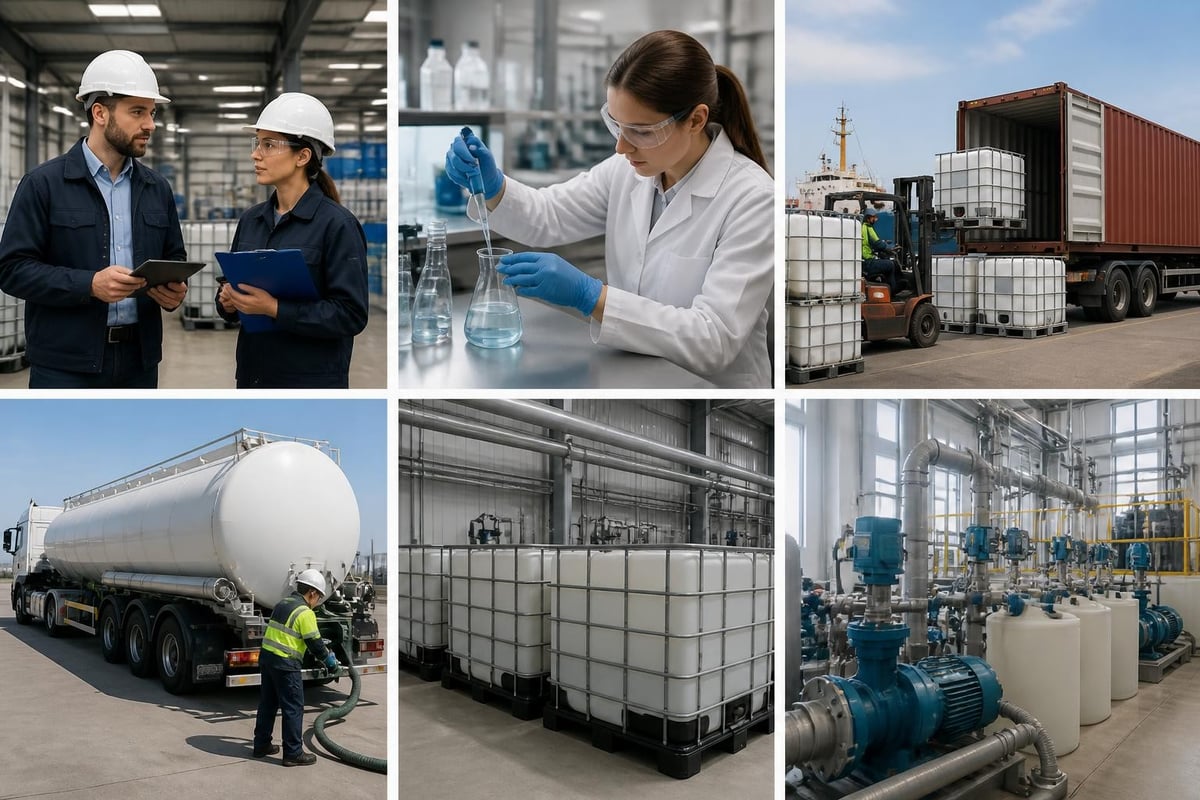
Water treatment chemicals are available in various packaging configurations suited to different facility sizes and handling capabilities:
| Packaging Type | Typical Capacity | Application | Advantages |
|---|---|---|---|
| Drums/Pails | 20-200 L | Small facilities | Easy handling, storage flexibility |
| Intermediate Bulk Containers (IBCs) | 1,000 L | Medium facilities | Reduced packaging waste, forklift handling |
| Bulk Tankers | 20,000-30,000 L | Large facilities | Lowest unit cost, minimal handling |
| Bags | 25-50 kg | Solid products | Standard industrial packaging |
| Bulk Bags | 500-1,000 kg | High-volume solid products | Reduced handling, storage efficiency |
Chemical suppliers operating across Southern Africa can provide flexible delivery scheduling, emergency supply, and regional distribution to mining operations, industrial facilities, and municipalities in remote locations.
Inventory Management and Storage
Chemical inventory management balances supply security against storage costs, shelf-life limitations, and capital requirements. Just-in-time delivery reduces inventory costs but increases supply vulnerability. Strategic stockpiling ensures operational continuity during supply disruptions but requires larger storage facilities and working capital.
Storage requirements vary significantly by chemical type. Caustic soda requires heated storage in cold climates to prevent crystallization. Sodium hypochlorite degrades with time and temperature, requiring cool storage and inventory rotation. Ferric chloride exhibits corrosive properties requiring compatible materials of construction.
Industrial and Mining Water Treatment Applications
Industrial facilities and mining operations face unique water treatment challenges requiring specialized chemical programs and technical expertise. Process water quality, discharge regulations, and operational conditions differ substantially from municipal drinking water treatment.
Mining and Mineral Processing
Mining operations require chemicals for multiple water management applications including process water treatment, tailings management, acid mine drainage neutralization, and environmental discharge compliance. The specific chemical for water purification in mining contexts depends on ore type, processing method, water chemistry, and regulatory requirements.
Lime and caustic soda neutralize acidic process water and acid mine drainage, precipitating dissolved metals and enabling their removal through clarification. Flocculants and coagulants concentrate mineral slurries, improve thickener performance, and manage tailings dewatering.
Mining chemical suppliers with technical expertise in mineral processing, water chemistry, and environmental compliance provide integrated solutions addressing the full water cycle in mining operations.
Industrial Process Water
Manufacturing facilities require process water meeting specific quality standards for cooling systems, boiler feed, product formulation, or direct contact applications. Chemical treatment programs maintain water quality, protect equipment, and ensure product integrity.
Cooling water treatment combines scale inhibitors, corrosion inhibitors, biocides, and dispersants to maintain heat transfer efficiency, prevent fouling, control biological growth, and extend equipment life. Boiler water treatment employs oxygen scavengers, scale inhibitors, and alkalinity control to prevent corrosion, scaling, and steam contamination.
Industrial chemical suppliers provide customized treatment programs, monitoring services, and technical support optimizing chemical performance for specific process conditions and equipment configurations.
Emerging Trends and Future Developments
Water treatment chemical technology continues evolving to address emerging contaminants, stricter regulations, sustainability objectives, and operational efficiency demands. Several trends are reshaping the chemical for water purification landscape in 2026.
Sustainable and Green Chemistry
Environmental concerns drive development of biodegradable, non-toxic, and renewable treatment chemicals. Bio-based coagulants derived from plant materials, agricultural waste, and microbial sources offer potential alternatives to traditional metal-based products. Green polymers reduce environmental impact while maintaining treatment performance.
Process optimization through advanced monitoring, automation, and control systems minimizes chemical consumption, reduces waste generation, and improves treatment efficiency. Real-time water quality monitoring enables precision dosing, responding to source water variations and optimizing chemical use.
Advanced Treatment Technologies
Membrane filtration (ultrafiltration, nanofiltration, reverse osmosis) increasingly complements or replaces conventional chemical treatment for challenging applications. While membranes reduce chemical consumption in some areas, they create new chemical requirements for pretreatment, cleaning, and fouling control.
Hybrid processes combining chemical treatment with membrane filtration, advanced oxidation, or biological treatment address complex contamination scenarios exceeding conventional treatment capabilities. These integrated approaches require sophisticated chemical programs balancing multiple treatment objectives.
Digital Water Treatment
Smart water treatment platforms integrate sensors, analytics, artificial intelligence, and automation to optimize chemical dosing, predict maintenance requirements, and improve operational efficiency. Digital twins simulate treatment performance under varying conditions, supporting proactive decision-making and optimization.
Supply chain digitization enhances chemical procurement through electronic ordering, inventory tracking, predictive replenishment, and quality verification. Blockchain technology may provide enhanced traceability and quality assurance for critical treatment chemicals.
Selecting and applying the appropriate chemical for water purification requires careful evaluation of source water quality, treatment objectives, regulatory requirements, operational constraints, and commercial considerations. Success depends on accessing reliable chemical supplies, maintaining technical expertise, and partnering with knowledgeable suppliers who understand your specific application requirements. Whether you operate a municipal water treatment facility, industrial plant, or mining operation, Nwans Chemicals provides the water treatment chemicals, technical support, and reliable supply chain capabilities needed to maintain consistent treatment performance across South Africa and regional markets.
Leave A Comment