Finding a reliable polyacrylamide supplier in South Africa requires understanding the chemical’s diverse applications, technical specifications, regulatory requirements, and sourcing considerations. Polyacrylamide (PAM) serves as a critical polymer for water treatment, wastewater management, mining operations, and industrial processes across South African industries. Industrial buyers, procurement managers, municipalities, and mining companies need suppliers who deliver consistent product quality, comprehensive documentation, competitive bulk pricing, and dependable logistics. This guide examines polyacrylamide fundamentals, application sectors, supplier evaluation criteria, and sourcing strategies for businesses operating in South Africa and broader African markets.
Understanding Polyacrylamide: Chemistry and Classification
Polyacrylamide is a synthetic water-soluble polymer formed from acrylamide monomers through free-radical polymerization. The resulting long-chain molecules possess powerful flocculation and coagulation properties that make PAM indispensable across multiple industrial sectors.
Chemical Structure and Properties
Polyacrylamide’s linear polymer chains contain repeating amide functional groups that interact with suspended particles and dissolved solids in aqueous systems. The polymer’s molecular weight typically ranges from hundreds of thousands to millions of Daltons, directly influencing its performance characteristics.
Key physical and chemical properties include:
High water solubility in most ionic conditions
Variable charge density (anionic, cationic, or non-ionic)
Molecular weight ranges from 5 million to 30 million Daltons
Temperature stability up to 60-80°C in most applications
pH functionality across wide ranges (pH 4-10 typical)
Viscosity modification capabilities
The WHO chemical fact sheet on acrylamide provides important context on residual monomer content, which represents a critical quality parameter when sourcing polyacrylamide for water treatment applications.
Types of Polyacrylamide
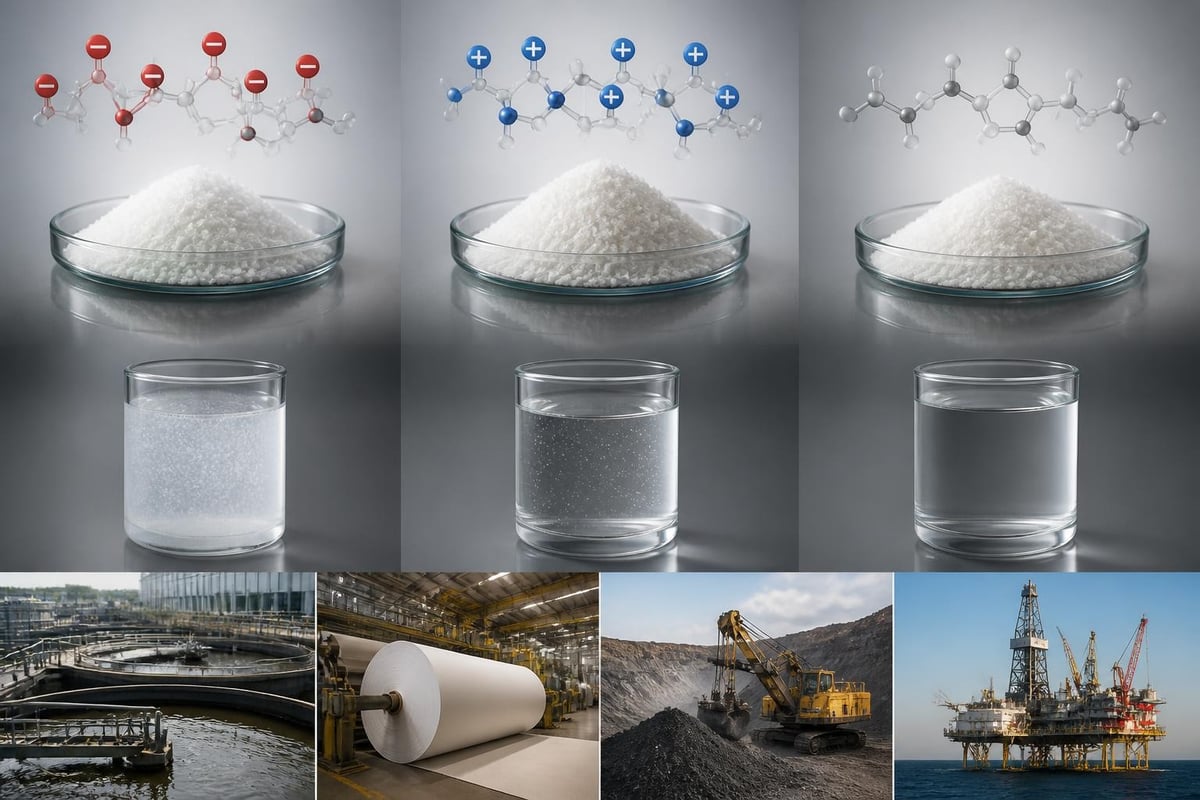
Manufacturing processes create three distinct PAM classifications based on ionic charge characteristics:
PAM Type | Charge | Primary Applications | Typical Molecular Weight |
|---|---|---|---|
Anionic PAM | Negative | Water treatment, mining, soil conditioning | 10-25 million Daltons |
Cationic PAM | Positive | Wastewater treatment, sludge dewatering | 5-15 million Daltons |
Non-ionic PAM | Neutral | Paper manufacturing, textile processing | 5-10 million Daltons |
Each classification performs optimally under specific conditions determined by the composition of the water or slurry being treated, making product selection crucial for operational efficiency.
Industrial Applications of Polyacrylamide in South Africa
South African industries utilize polyacrylamide across diverse sectors, each with distinct technical requirements and performance expectations. Understanding these applications helps buyers identify the correct polymer specifications.
Water Treatment and Purification
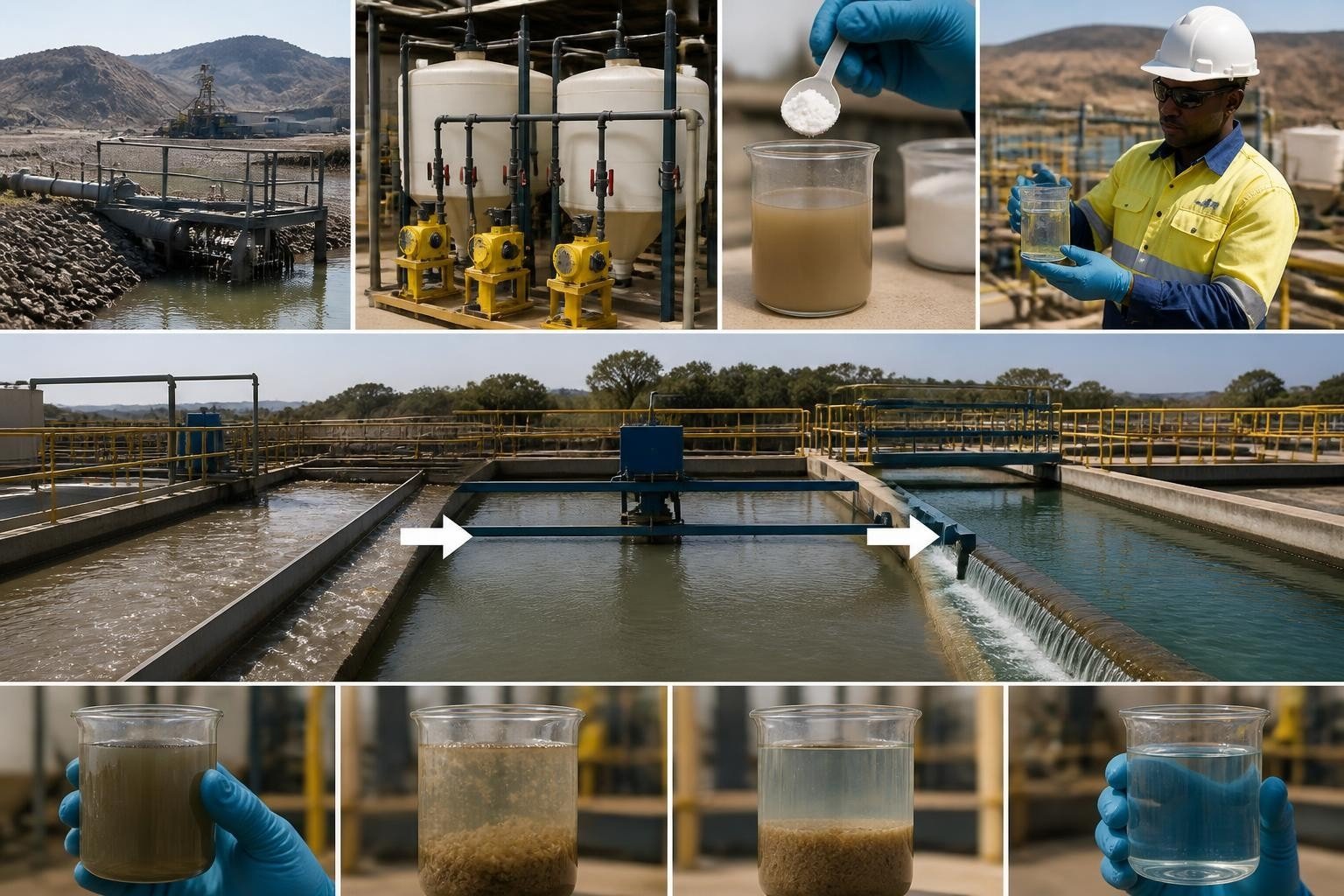
Municipal water treatment facilities rely on polyacrylamide as a coagulant aid and primary flocculant for raw water clarification. Anionic and non-ionic PAM varieties enhance particle aggregation, accelerate settling rates, and improve clarifier efficiency.
Water treatment benefits include:
Reduction of turbidity by 90-98% in properly dosed systems
Enhanced removal of suspended solids and colloidal particles
Improved filter run times and backwash cycle efficiency
Lower sludge volumes compared to traditional metal-salt coagulants
Reduced operational costs through optimized chemical dosing
The Water Research Commission publishes South African research on polyacrylamide applications in drinking water systems, providing valuable performance data for local conditions.
Wastewater and Effluent Treatment
Industrial wastewater facilities, sewage treatment plants, and manufacturing operations use cationic polyacrylamide for solid-liquid separation and sludge dewatering. These applications demand high-charge-density polymers capable of neutralizing negatively charged organic matter.
Research on galvanising effluent treatment in Gauteng demonstrates effective polyacrylamide use in industrial wastewater applications, highlighting practical performance outcomes in South African conditions.
Mining and Mineral Processing
The mining sector represents one of South Africa’s largest polyacrylamide consumers. Water treatment chemicals support multiple stages of mineral processing, tailings management, and process water recycling.
Polyacrylamide serves critical mining functions:
Tailings dewatering – reducing moisture content in mine waste streams
Thickener optimization – improving underflow density and overflow clarity
Process water clarification – enabling water recycling and reuse
Dust suppression – stabilizing surfaces and reducing airborne particles
Heap leach applications – managing solution flow and recovery rates

Evaluating a Polyacrylamide Supplier South Africa
Selecting the right polyacrylamide supplier in South Africa requires systematic evaluation across multiple operational and commercial dimensions. Industrial buyers should assess potential suppliers against comprehensive criteria that ensure product quality, regulatory compliance, and supply chain reliability.
Product Quality and Specifications
Technical specifications define polyacrylamide performance in your application. Reputable suppliers provide detailed product data sheets with measurable parameters.
Essential specification parameters:
Molecular weight and molecular weight distribution
Charge density (percentage ionic content)
Residual acrylamide monomer content (typically <0.05%)
Solid content percentage (for emulsion and solution forms)
Dissolution time and recommended dosing concentrations
Storage stability and shelf life requirements
The WHO guidelines on acrylamide in drinking water establish maximum contaminant levels that your polyacrylamide supplier should consistently meet through quality control testing and certification.
Regulatory Compliance and Documentation
South African water quality standards and international export requirements demand comprehensive compliance documentation. Your polyacrylamide supplier in South Africa must provide materials that meet applicable regulatory frameworks.
Documentation Type | Purpose | Relevance |
|---|---|---|
Safety Data Sheets (SDS) | Hazard communication, safe handling | Mandatory for all chemical shipments |
Certificate of Analysis (CoA) | Batch-specific quality verification | Ensures specification compliance |
NSF/ANSI 60 Certification | Drinking water treatment chemical approval | Required for municipal water applications |
ISO 9001 Certification | Quality management system verification | Demonstrates supplier process control |
SANS Compliance | South African National Standards | Local regulatory requirement |
Understanding compulsory national water and sanitation services standards helps buyers verify that polyacrylamide products meet regulatory requirements for water treatment applications in South Africa.
Packaging, Storage and Handling Considerations
Polyacrylamide comes in multiple physical forms, each with distinct packaging, storage, and handling requirements that affect operational efficiency and total cost of ownership.
Available polyacrylamide forms:
Dry powder (25 kg bags, 500 kg bulk bags)
Granular polymer (20-40 mesh particle size)
Liquid emulsion (25-40% active content in 1000 L IBCs)
Solution form (ready-to-use concentrations)
Proper storage conditions maintain product integrity and performance. Dry polyacrylamide requires protection from moisture, while liquid forms demand temperature control and agitation before use.
Supply Chain and Logistics Factors
Beyond product quality, operational success depends on reliable supply chain execution. A competent polyacrylamide supplier in South Africa must demonstrate logistical capabilities that match your operational requirements.
Bulk Supply Capacity and Availability
Industrial operations consuming hundreds or thousands of kilograms monthly need suppliers with adequate inventory levels and consistent production access. Evaluate potential suppliers on their ability to maintain stock levels that prevent production disruptions.
Key supply capacity questions:
What minimum order quantities apply to different product forms?
Can the supplier accommodate fluctuating demand patterns?
What lead times apply to standard versus specialty PAM grades?
Does the supplier maintain local South African inventory?
What backup supply arrangements exist for supply chain disruptions?
Businesses requiring comprehensive industrial chemicals beyond polyacrylamide benefit from suppliers offering diversified product portfolios that consolidate purchasing and logistics.
Delivery Infrastructure and Geographic Coverage
Geographic distribution capabilities determine whether a polyacrylamide supplier in South Africa can effectively serve your operational locations across provinces or into neighboring African markets.
Professional chemical distributors maintain delivery infrastructure including:
Regional warehouse facilities in major industrial centers
Specialized chemical transport vehicles with proper licensing
Hazardous materials handling capabilities and certifications
Cross-border logistics for SADC and broader African exports
Just-in-time delivery scheduling for inventory optimization
Pricing Structure and Commercial Terms
Polyacrylamide pricing varies based on polymer type, molecular weight, ionic charge, packaging format, order volume, and delivery requirements. Transparent suppliers provide structured pricing that reflects these variables.
Commercial evaluation factors:
Volume-based pricing tiers for bulk purchasing
Payment terms and credit facilities for established accounts
Price stability agreements for long-term supply contracts
Total delivered cost including freight and handling
Value-added services like technical support and jar testing
Technical Support and Application Expertise
Polyacrylamide optimization requires technical knowledge beyond basic product supply. Leading suppliers differentiate themselves through application support that maximizes polymer performance and cost-efficiency.
Jar Testing and Product Selection
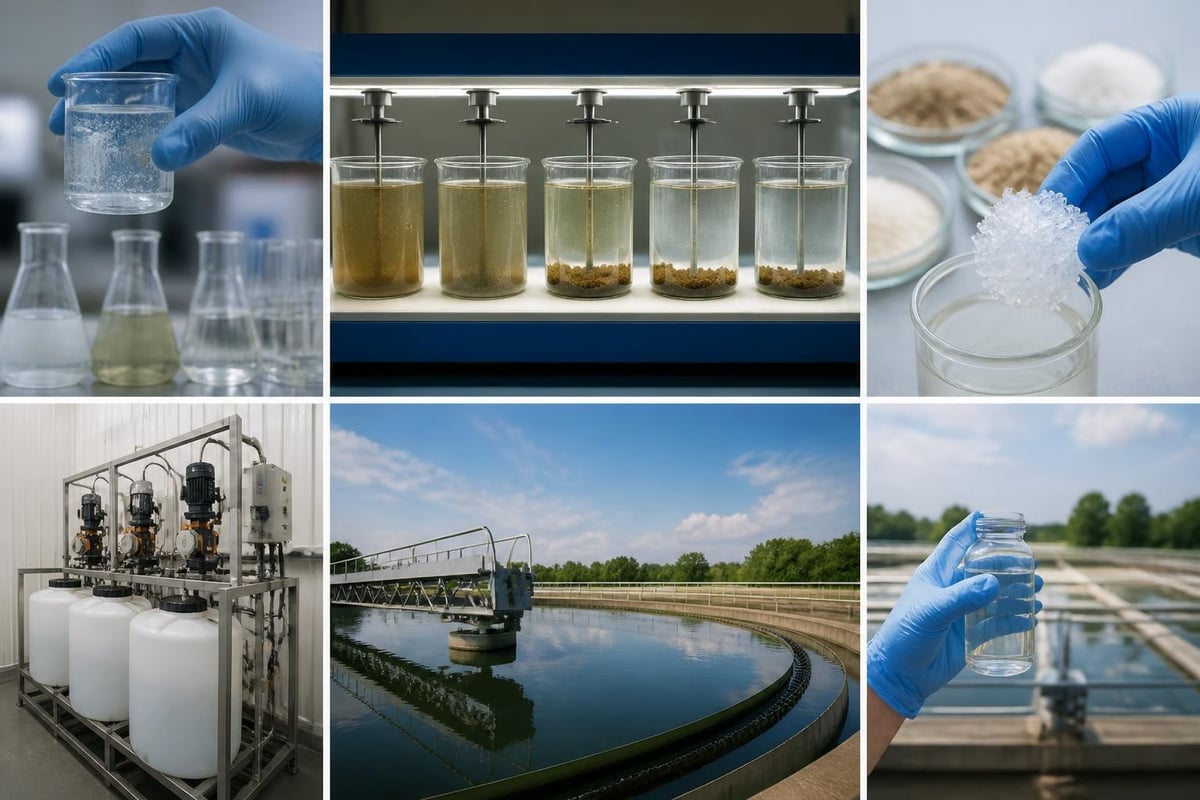
Proper polyacrylamide selection depends on matching polymer characteristics to your specific water chemistry, suspended solids composition, and process conditions. Suppliers offering jar testing services help customers identify optimal products and dosing rates before full-scale implementation.
Jar testing protocols evaluate:
Floc formation rate and floc strength
Settling velocity and supernatant clarity
Required polymer dosage for target performance
pH sensitivity and temperature effects
Comparative performance across multiple PAM grades
Process Optimization and Troubleshooting
Experienced polyacrylamide suppliers assist with dosing system design, polymer preparation protocols, and troubleshooting performance issues. This technical partnership extends beyond transactional product sales.
Sourcing Polyacrylamide Through Nwans Chemicals
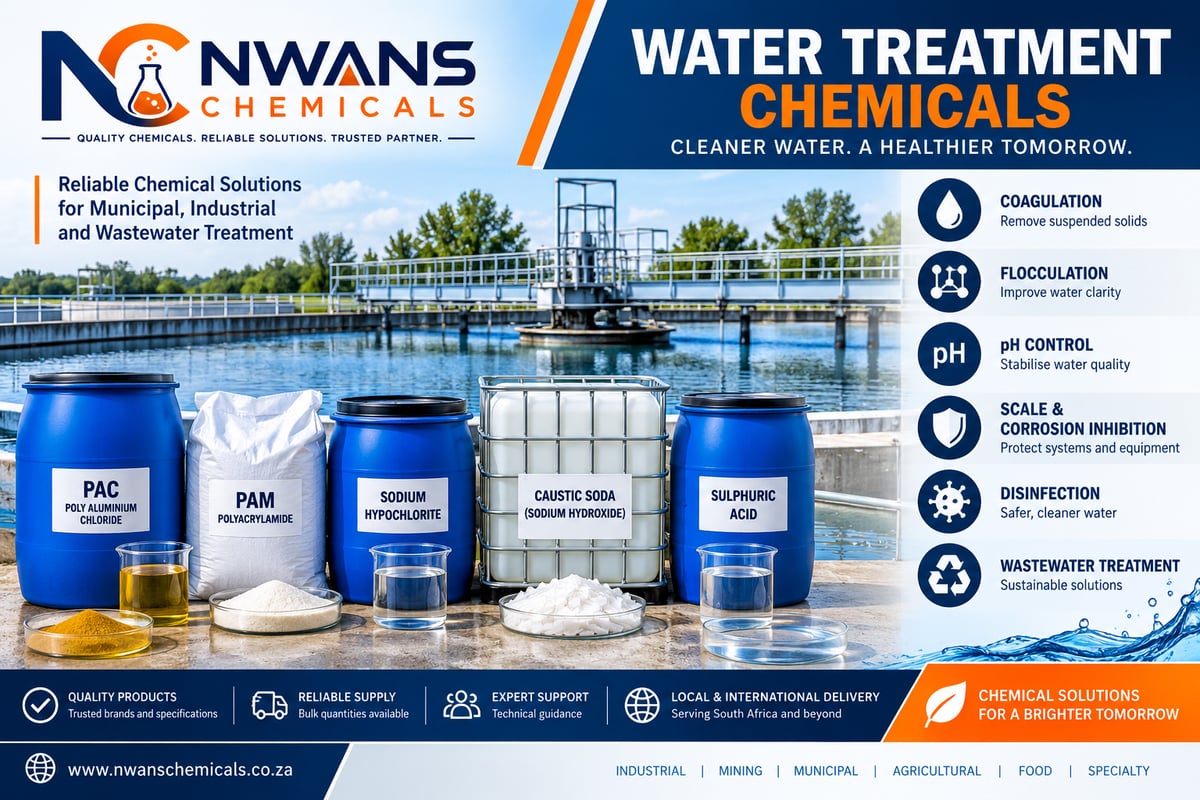
When evaluating options for sourcing polyacrylamide, industrial buyers benefit from working with established chemical distributors who understand both product specifications and local market requirements. Nwans Chemicals provides polyacrylamide supply alongside a comprehensive portfolio of water treatment and industrial chemicals, enabling customers to consolidate sourcing while maintaining quality standards.
The company’s experience in water treatment chemicals encompasses municipal, industrial, and mining applications, providing customers with technical knowledge that extends beyond simple product transactions.
Sustainability and Environmental Considerations
Environmental stewardship influences polyacrylamide selection and supplier evaluation as South African industries face increasing regulatory scrutiny and corporate sustainability mandates.
Environmental Performance Factors
Modern polyacrylamide formulations minimize environmental impact through reduced residual monomer content, biodegradability characteristics, and lower dosing requirements compared to older polymer technologies.
Sustainability evaluation criteria:
Residual acrylamide monomer levels (lower is better for aquatic environments)
Biodegradation rates and pathways in natural systems
Aquatic toxicity data for finished polymer and degradation products
Dosing efficiency (performance per kilogram applied)
Packaging recyclability and waste reduction programs
Regulatory Trends and Future Requirements
South African water quality regulations continue evolving to align with international standards. Forward-thinking buyers select polyacrylamide suppliers who monitor regulatory developments and adjust product offerings accordingly.
Quality Assurance and Supplier Reliability
Consistent product quality determines operational stability in water treatment, mining, and industrial applications. Rigorous quality assurance programs separate professional suppliers from opportunistic traders.
Testing and Certification Programs
Reputable polyacrylamide suppliers maintain comprehensive quality control testing for every production batch. This testing verifies specification compliance before products reach customer facilities.
Quality assurance elements include:
Third-party laboratory testing for critical parameters
Batch traceability systems linking products to source manufacturing
Quarantine and release protocols preventing non-conforming shipments
Customer complaint investigation and corrective action processes
Continuous improvement programs based on performance feedback
Supplier Track Record and References
Evaluating a polyacrylamide supplier’s history provides insight into reliability and performance consistency. Request customer references from similar industries and application types to verify supplier claims.
Frequently Asked Questions About Polyacrylamide Supply
What is the typical shelf life of polyacrylamide products?
Dry polyacrylamide powders maintain specification integrity for 12-24 months when stored properly in sealed containers protected from moisture and extreme temperatures. Emulsion and solution forms typically have 6-12 month shelf lives depending on formulation and storage conditions.
How do I determine which polyacrylamide type suits my application?
Application requirements dictate polymer selection based on the charge characteristics of particles being treated. Anionic PAM works best for inorganic particles and minerals, cationic PAM excels with organic matter and biological solids, while non-ionic forms serve specialized applications. Jar testing with your specific water or slurry provides definitive performance data.
What documentation should I expect from my supplier?
Professional polyacrylamide suppliers provide Safety Data Sheets (SDS), Certificates of Analysis (CoA) for each batch, drinking water treatment certifications when applicable (NSF/ANSI 60), and technical data sheets with complete product specifications. For export shipments, additional documentation may include certificates of origin and customs declarations.
Can polyacrylamide be used in drinking water treatment?
Yes, polyacrylamide products specifically certified for drinking water treatment applications can be used in municipal water purification. These products must meet stringent residual monomer requirements and carry appropriate certifications such as NSF/ANSI Standard 60. Always verify certification status before using polyacrylamide in potable water systems.
What factors affect polyacrylamide pricing?
Polyacrylamide costs vary based on polymer type (anionic, cationic, non-ionic), molecular weight, charge density, packaging format, order volume, delivery location, and market supply conditions. Higher molecular weight polymers and specialized formulations command premium pricing. Bulk purchasing and long-term supply agreements typically reduce per-kilogram costs.
How should polyacrylamide be stored on-site?
Store dry polyacrylamide in sealed containers in cool, dry locations protected from direct sunlight and moisture infiltration. Liquid emulsions require temperature control (typically 5-30°C) and occasional mixing to prevent settling. Maintain separate storage areas away from incompatible materials and ensure proper ventilation in preparation areas.
Sourcing polyacrylamide in South Africa demands careful evaluation of product specifications, supplier capabilities, regulatory compliance, and logistical infrastructure to ensure operational success across water treatment, mining, and industrial applications. Nwans Chemicals serves as a trusted bulk chemical supplier offering polyacrylamide alongside comprehensive water treatment and industrial chemical solutions, supported by reliable sourcing, quality documentation, competitive pricing, and dependable delivery across South Africa and international markets. Contact our team to discuss your polyacrylamide requirements and request a detailed quotation tailored to your application.
Leave A Comment